Was dich auch interessieren könnte...

Three plants are allowed, but where does the starter material come from? Since the Cannabis Consumption Act, there’s been a clearly regulated pathway for obtaining cuttings and seeds. It comes with fixed quantities, documentation requirements, and shipping restrictions. Here’s an overview of legal sourcing options in 2026.
📑 Inhaltsverzeichnis
Anyone wanting to grow at home faces a practical hurdle: the plant itself is legal, but the starting material has to come from somewhere. At this exact point, the legal situation is more precise than many assume. The Cannabis Consumption Act (KCanG) governs the distribution of what’s known as propagation material—seeds and cuttings—in its own dedicated section.
The Regulated Route: Cultivation Associations
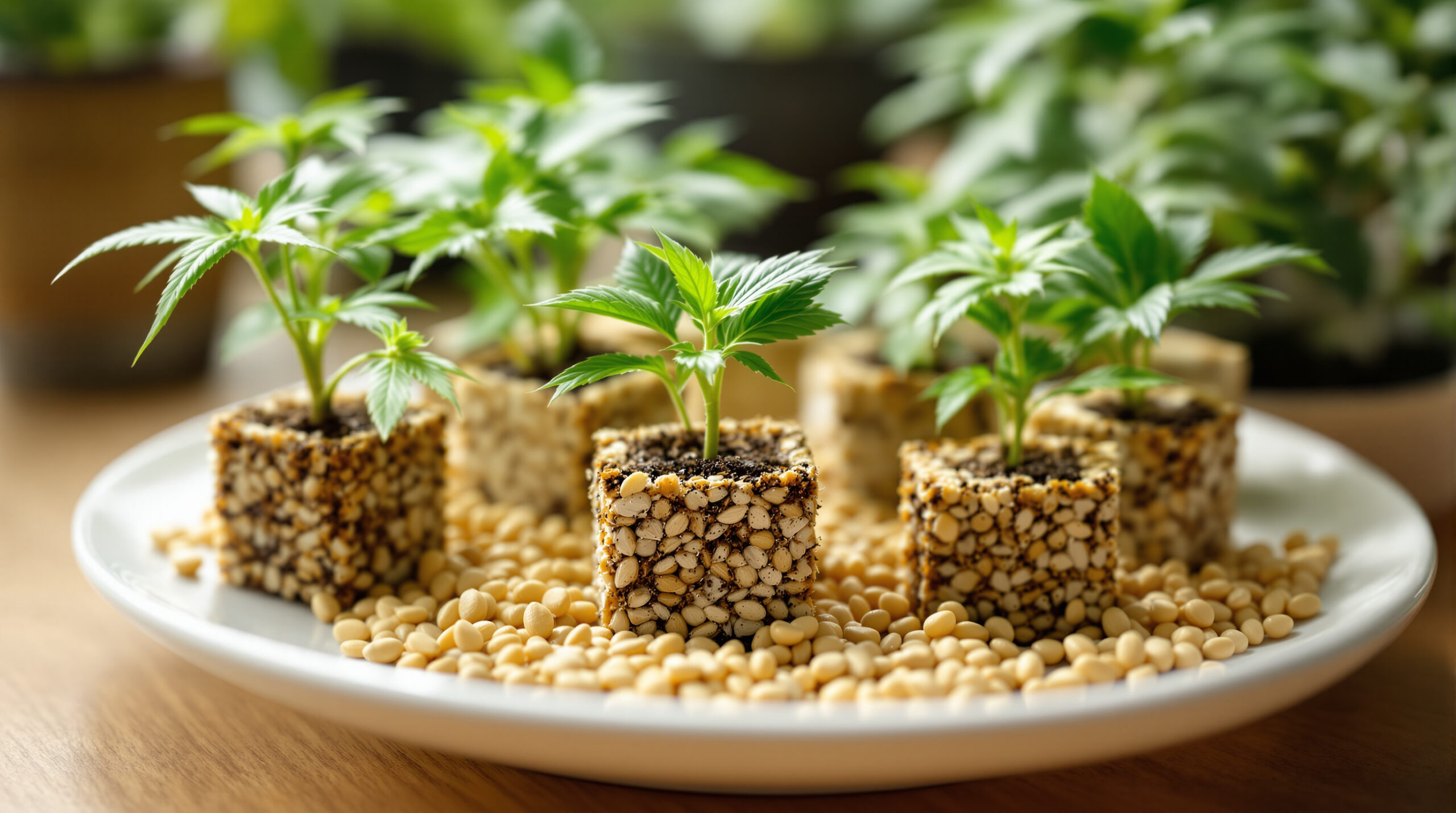
The central regulation is Section 20 KCanG, which governs controlled distribution of propagation material. According to this, authorized cultivation associations can distribute seeds and cuttings, but only within strict limits. Per person per calendar month, the following is permitted:


- a maximum of seven seeds, or
- a maximum of five cuttings, or
- a total of no more than five seeds and cuttings combined
Distribution to members is expressly intended for private home cultivation. The law also permits distribution to non-member adults under the same quantity limits, provided they reside or have their usual place of residence in Germany. Cultivation associations may also share propagation material with each other for quality assurance purposes.
Requirements to Follow
The law attaches several conditions to distribution that are often underestimated in practice.
ID verification. With each distribution, the cultivation association must strictly verify age and place of residence or usual place of residence in Germany through presentation of an official photo ID. Without ID, no distribution occurs.
No shipping of cuttings. Shipping and delivery of cuttings are prohibited. Anyone obtaining cuttings through a cultivation association must pick them up in person. Offers shipping cuttings to your home operate outside this legal framework.
Sourced from own cultivation. The distributed material must come from the association’s own communal cultivation. Cultivation associations are not middlemen—they distribute only what they’ve grown themselves.
Seeds: A Second Route with Lingering Questions
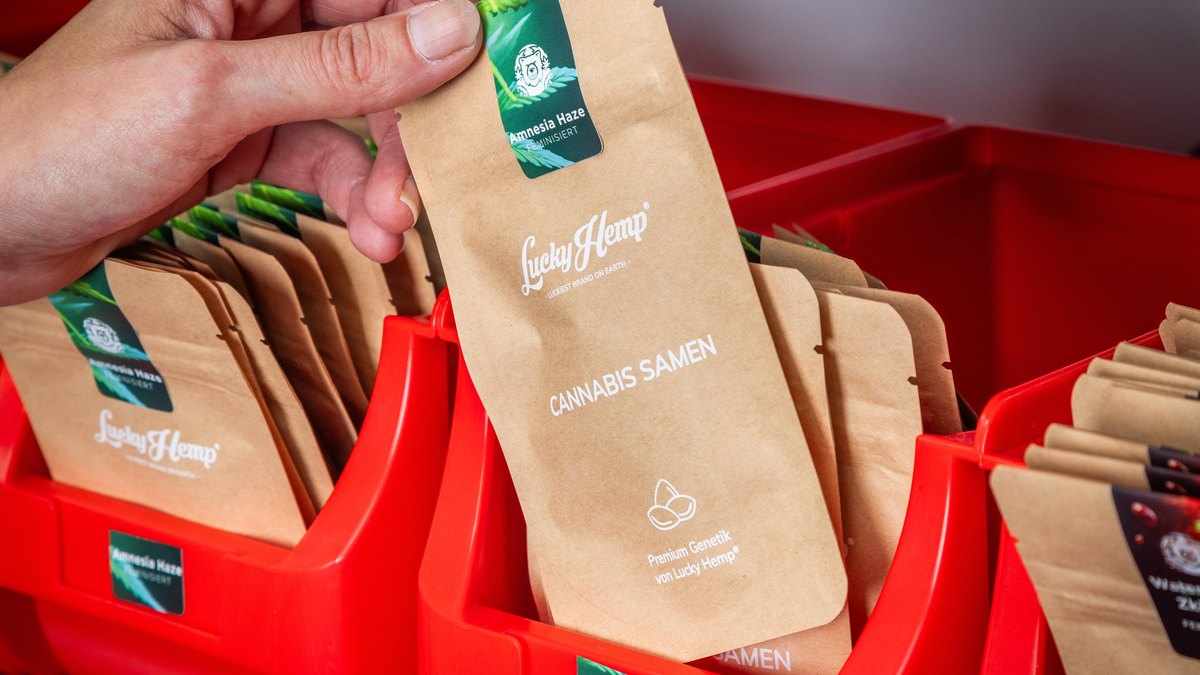
Besides cultivation associations, seed purchase is the most common practical route. Unlike cuttings, shipping is standard here, and many suppliers are based outside Germany in Europe. The legal assessment of commercial seed trading in Germany isn’t fully settled and is interpreted differently by industry and authorities. Those wanting to play it safe are on the most legally solid ground using the explicitly regulated pathway through a cultivation association under Section 20 KCanG.
When a Cutting Becomes a Plant
Here’s a detail easily overlooked: up to three plants simultaneously are permitted in private home cultivation. This raises the question of when a cutting counts toward that limit. The Cologne Administrative Court addressed this exact issue, establishing the boundary between cuttings and juvenile plants. We’ve covered that decision in detail: Cologne Administrative Court: When a Cannabis Cutting Legally Becomes a Juvenile Plant. Anyone rooting multiple cuttings simultaneously should understand this distinction before inadvertently exceeding the three-plant limit.
So What’s Right for Me?
This article answers the question of where to legally source propagation material. Whether a cutting or seed is the better choice in your situation depends on experience, timeline, and genetic requirements. We’ve created a detailed practical guide for that decision: Cuttings or Seeds? The Practical Guide for Home Growing Beginners.
Note: This article reflects the current state of the law and does not constitute legal advice. Regulations can change and are sometimes interpreted differently by authorities.