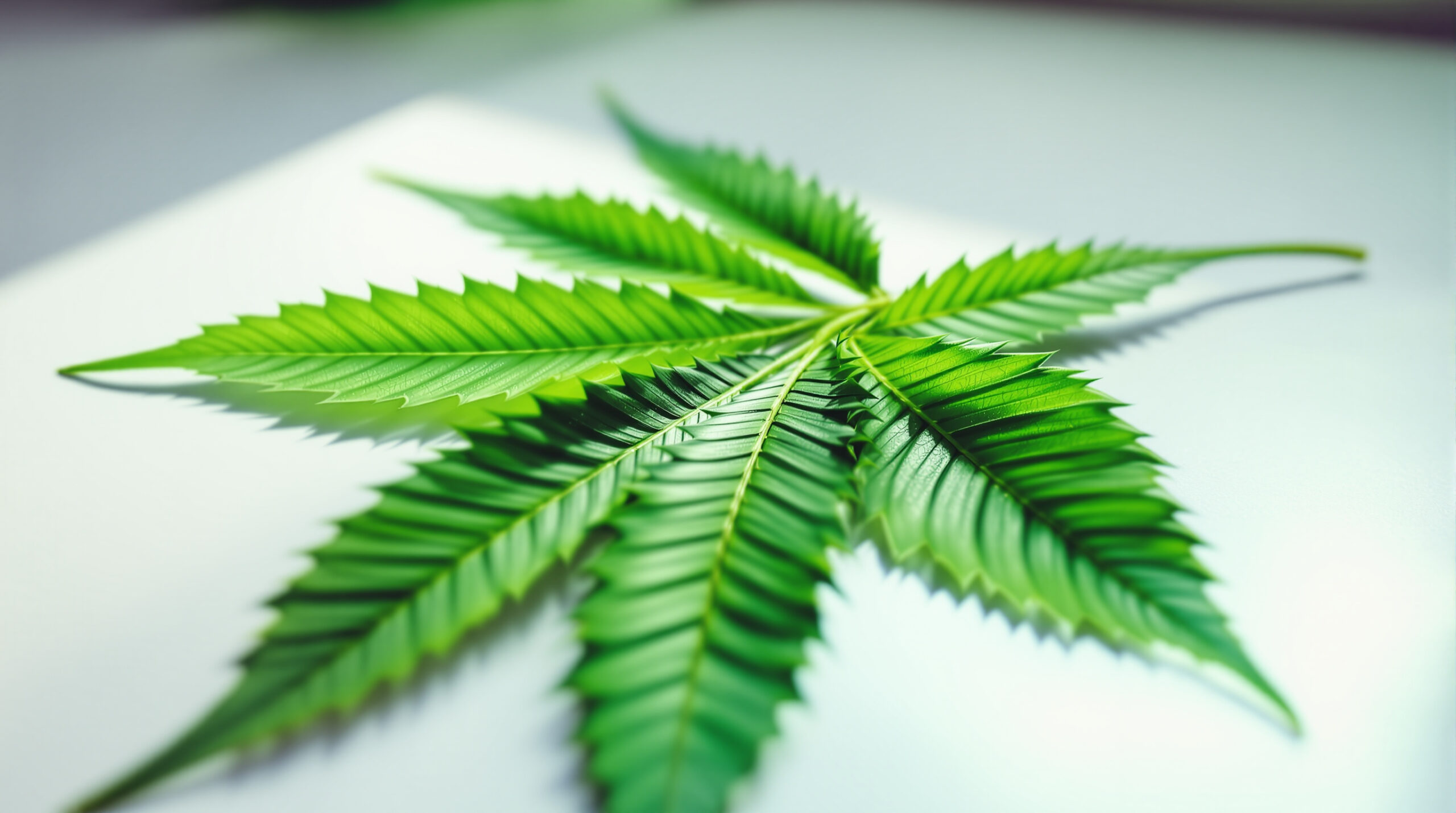
If someone takes a freshly harvested cannabis flower and waits for an intoxicating effect to set in, they’ll be disappointed. Simply nothing happens. This apparent contradiction is precisely what makes the topic of eating raw cannabis so interesting: in its natural state, the plant contains barely any intoxicating THC, but rather its precursor THCA. This acidic form behaves completely differently in the body than the activated molecule that forms when smoking or baking. Understanding what THCA actually triggers and why it doesn’t get you high provides a surprisingly clear view of the chemistry behind consumption.
📑 Inhaltsverzeichnis
In recent years, a distinct wellness niche has formed around smoothies, juices, and cold-processed leaves. Proponents speak of a sober way to absorb the plant’s active compounds. Skeptics ask whether the effort brings any measurable benefit at all. This article puts the facts in perspective, explains the molecular background, and clearly identifies where established research ends and hope begins.
Why eating raw cannabis doesn’t get you high
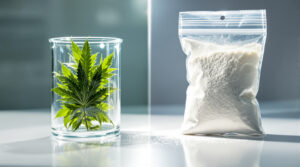
The key lies in a tiny molecular detail. In the living plant, psychoactive THC exists almost entirely as tetrahydrocannabinolic acid, or THCA for short. This molecule carries an additional carboxyl group—an appendage made of carbon and oxygen. This very appendage changes the shape of the molecule so much that it no longer fits cleanly into the CB1 receptors in the brain. These receptors are the switch that triggers the typical intoxicating effect.


As long as the carboxyl group sits on the molecule, the binding to CB1 remains weak. The result is unambiguous: THCA is considered non-intoxicating. A person who eats raw cannabis therefore ingests plenty of cannabinoids without experiencing the psychoactive effect. Only when heat enters the picture does the carboxyl group break off and THCA becomes active THC. This process is called decarboxylation, and it’s the actual turning point between salad and intoxication.
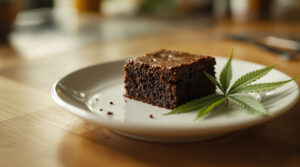
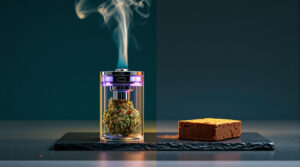
It’s important to note that this effect doesn’t depend on digestion. The stomach cannot convert THCA into THC to any significant extent. Those hoping for a delayed intoxication like that produced by classic baked goods will wait in vain. The difference from heated products is fundamental, and this is precisely where the paths of raw consumption and conventional edibles that you eat or drink instead of smoking diverge.
What THCA does in the body
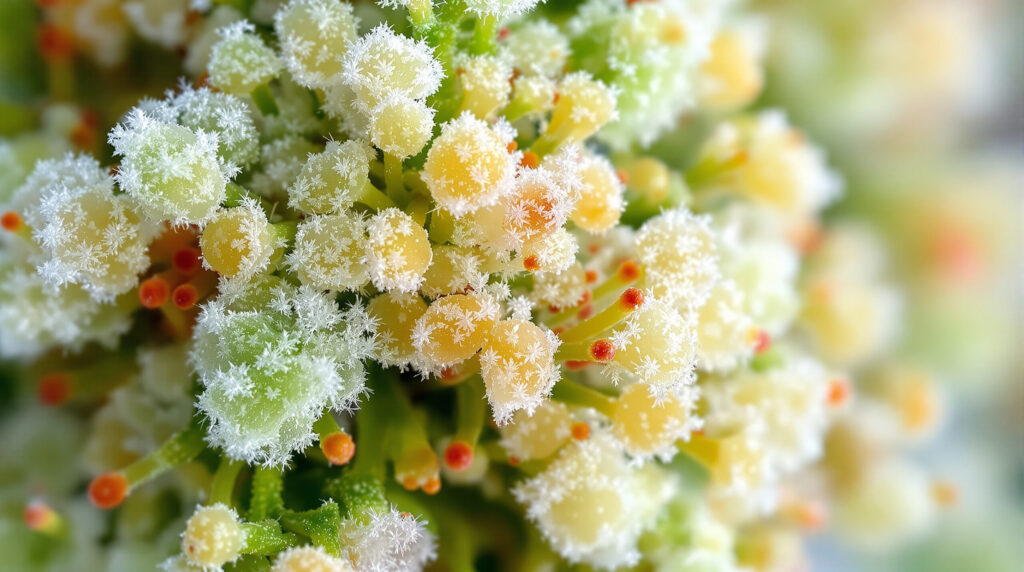
The fact that THCA doesn’t get you high doesn’t mean it remains inactive in the body. Research has been examining the independent properties of the acidic form for several years. Studies suggest that THCA could have anti-inflammatory, neuroprotective, and anti-nausea effects. A frequently cited animal study reported that THCA reduced nausea and vomiting and was even more effective in this regard than THC itself.
Additionally, neuroprotective potential is being discussed. Preclinical work is investigating whether THCA can protect nerve cells and thus might play a role in neurodegenerative diseases. Anti-seizure properties are also the subject of research, placing THCA close to CBD. However, all these findings come largely from cell cultures and animal models. Reliable clinical studies in humans are largely absent, and this gap is worth keeping in mind.
Moreover, raw cannabis rarely provides only THCA. Fresh leaves and flowers also contain CBDA, the acidic form of CBD, as well as other cannabinoids and terpenes in their original form. Supporters argue that this unmodified spectrum brings its own profile, which is partially lost when heated. However, this idea is not scientifically conclusive.
Decarboxylation: the invisible boundary between raw and active
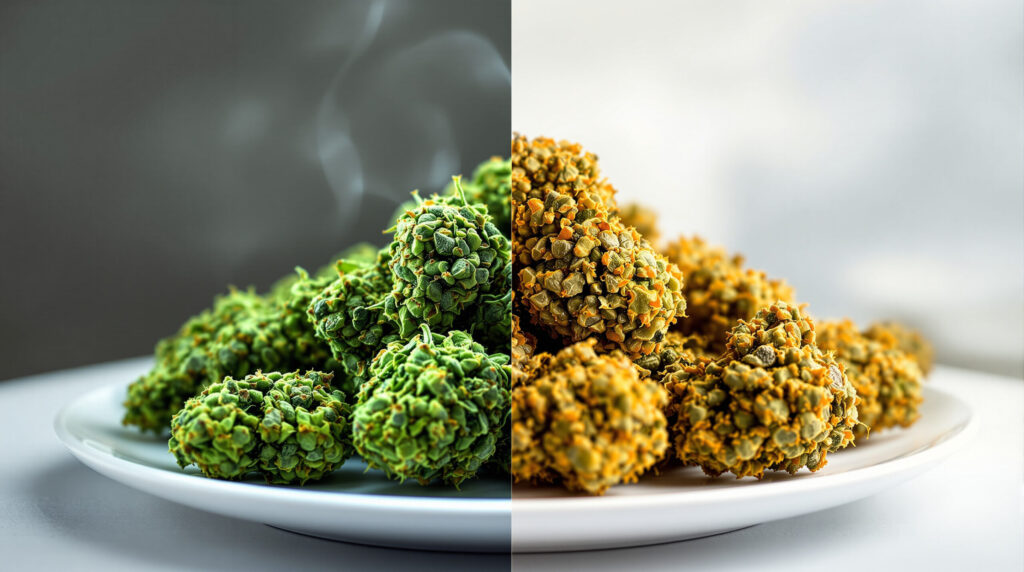
Anyone wanting to eat raw cannabis must understand decarboxylation, because it determines everything. Heat removes the carboxyl group and turns the inert acid into an active cannabinoid. Kinetic studies show that this reaction follows a curve where temperature and time are balanced against each other. At around 120 degrees Celsius, THCA is largely converted after about 90 minutes; at 160 degrees, about 20 minutes suffices.
For raw consumption, this means one thing above all: any significant heat is the enemy of the endeavor. Even pan-frying or a hot tea begins converting THCA into THC. Those who want to deliberately consume the non-intoxicating acidic form must work cold. Fresh leaves in a blender, cold-pressed juices, or a smoothie keep the temperature low enough for the carboxyl group to remain on the molecule.
Research also points to a second pitfall. At very high temperatures, THC gradually converts to CBN, a degradation product, and some of the active compounds are simply lost. Clean conversion without losses isn’t actually so simple. Those aiming for the activated version can find the basics in our article on decarboxylation as the most important step when cooking with cannabis. For the raw approach, the opposite applies: stay consistently cold.
How to sensibly process raw cannabis
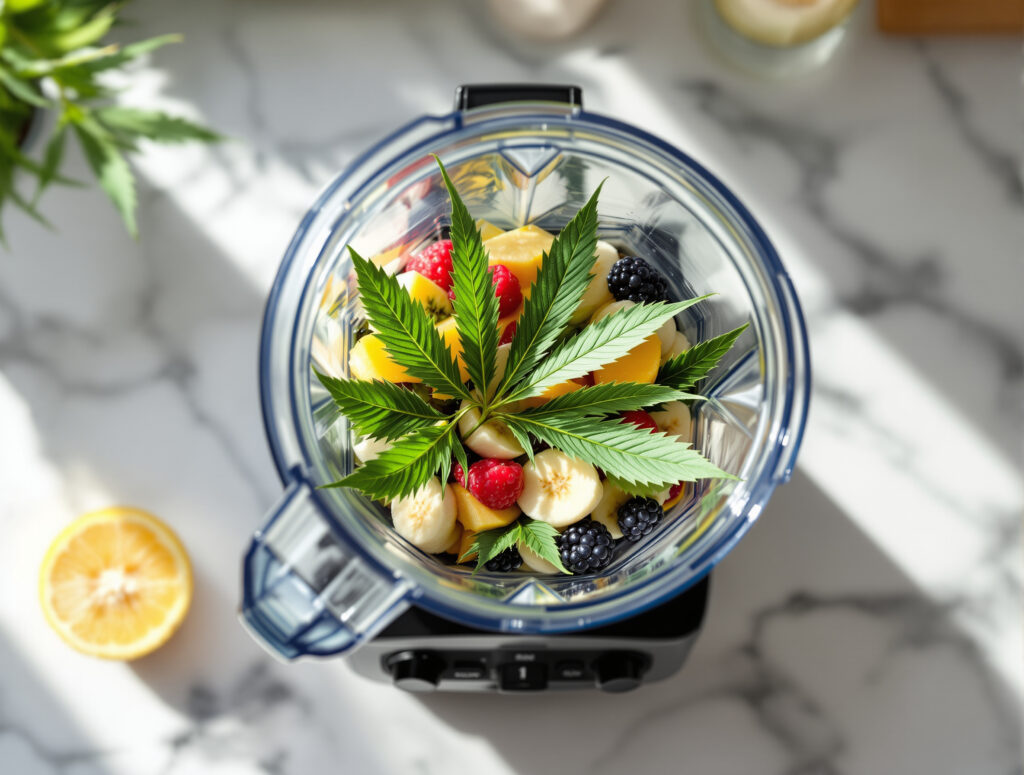
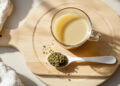
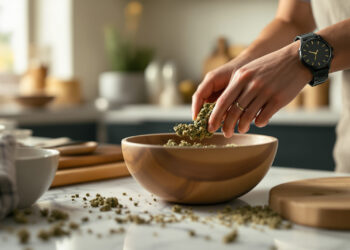
In practice, most people use fresh fan leaves and young flower buds because these process best raw. The plant parts are washed and either added directly to a smoothie or cold-pressed in a juicer. Since raw cannabis tastes bitter, many users mix in fruit, berries, or other vegetables to round out the flavor. A juice made from a larger amount of fresh leaves can contain several hundred milligrams of THCA and CBDA.
Freshness is the decisive factor. Dried material has already lost some of its acids through gradual conversion at room temperature and is hardly suitable for raw consumption. Those seriously wanting to work with raw cannabis therefore need access to untreated plants, which severely restricts the method in practice. This is precisely one of the reasons why eating raw cannabis remains a niche.
When it comes to dosing, restraint is advised. Because reliable human studies are lacking, there are no established dosage amounts for a specific effect. Those who link health hopes to raw cannabis should not view it as a substitute for medical treatment, but at most as a supplementary experiment. With existing conditions or medications, such a step should first be discussed with a doctor.
Legal and practical framework
Even though THCA doesn’t have an intoxicating effect, this doesn’t automatically exempt the plant from legal regulations. Fresh cannabis remains cannabis, and possession is subject to the same rules as dried material. Those who cultivate within a legal framework, such as home growing according to applicable regulations, do have basic access to fresh leaves. The acidic form alone, however, doesn’t make the material a freely available food product.
Additionally, there’s an international trend to explicitly include acidic forms in regulation. In the United States, a legal loophole was closed at the end of 2025, through which THCA is now counted when evaluating hemp. Such developments show that the legal classification of THCA is in flux and doesn’t rely solely on psychoactive effects. Those wishing to consume raw should therefore carefully verify the applicable legal situation.
From a practical standpoint, eating raw cannabis remains a niche topic with open questions. The chemistry behind the absent intoxication is well understood, but the health potential of THCA is only beginning to be explored. From today’s perspective, those trying this approach do so more in the spirit of curiosity than on the basis of established medical evidence.
Frequently asked questions
Does raw cannabis get you high?
No. In the raw plant, THC exists almost entirely as THCA, the acidic form with an additional carboxyl group. This molecule barely binds to CB1 receptors in the brain and therefore doesn’t trigger an intoxication. Only through heat does active THC form from it.
What’s the difference between THCA and THC?
THCA is the natural precursor to THC. It carries a carboxyl group that splits off when heated. Only after this decarboxylation does psychoactive THC form. THCA itself is considered non-intoxicating but is being researched for possible anti-inflammatory and anti-nausea properties.
Does raw cannabis have health benefits?
Preclinical studies suggest anti-inflammatory, neuroprotective, and anti-nausea effects of THCA and CBDA. However, reliable studies in humans are largely lacking. Raw cannabis should therefore not be understood as a medical treatment but at most as a supplementary experiment after medical consultation.
How do you eat or drink raw cannabis?
The most common methods are fresh fan leaves and young flower buds, which are cold-processed in a blender into a smoothie or pressed in a juicer. It’s important that the material remains fresh and unheated to preserve the acidic form. Fruit or vegetables can mellow the bitter taste.
Why shouldn’t raw cannabis be heated if you don’t want an intoxication?
Hast du schon mal rohes Cannabis gegessen oder getrunken?
Even moderate heat begins to split the carboxyl group and convert THCA into active THC. Those who want to deliberately consume the non-intoxicating acidic form must therefore process the material consistently cold and avoid pan-frying, cooking, or hot beverages.





Branchen-Update
News, Analysen und Reportagen — mehrmals im Monat direkt in dein Postfach.
Folge uns