
Sustainability is no longer a niche topic in the fashion industry – it has become a decisive factor. More and more consumers are deliberately seeking clothing that not only looks good but is also produced under fair and environmentally friendly conditions. In this context, hemp fiber is experiencing a strong comeback.
📑 Inhaltsverzeichnis
- Hemp as an answer to the fashion industry’s problems
- Special properties of hemp fabrics
- From niche to trend: hemp in the fashion industry
- Challenges: price and processing
- Consumer trends: transparency and regionality
- Hemp as the future material of fashion
- A fabric with a future
- 💬 Fragen? Frag den Hanf-Buddy!
From ecological advantages to special wearing properties and its history as a traditional natural fiber: hemp is gradually reclaiming its place in our wardrobes. But why exactly are designers and consumers increasingly turning to hemp – and what does the future of this trend look like?
Hemp as an answer to the fashion industry’s problems
The global fashion industry faces major challenges. Cotton, the world’s most important natural fiber, has fallen into disrepute: cultivation requires enormous amounts of water, often in already arid regions, and is associated with heavy pesticide use. Add to this long transportation routes and a problematic CO₂ footprint. Synthetic fibers like polyester or nylon are cheap and easy to care for, but cause massive environmental problems through microplastics and are based on fossil fuels.


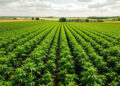
Hemp offers a credible alternative here. Compared to cotton, the plant requires significantly less water, grows without pesticides, and even improves soil quality. From an ecological perspective, it is one of the most sustainable fibers currently available on the market. For many consumers and fashion brands, that is precisely the decisive argument for using hemp more extensively.

Special properties of hemp fabrics
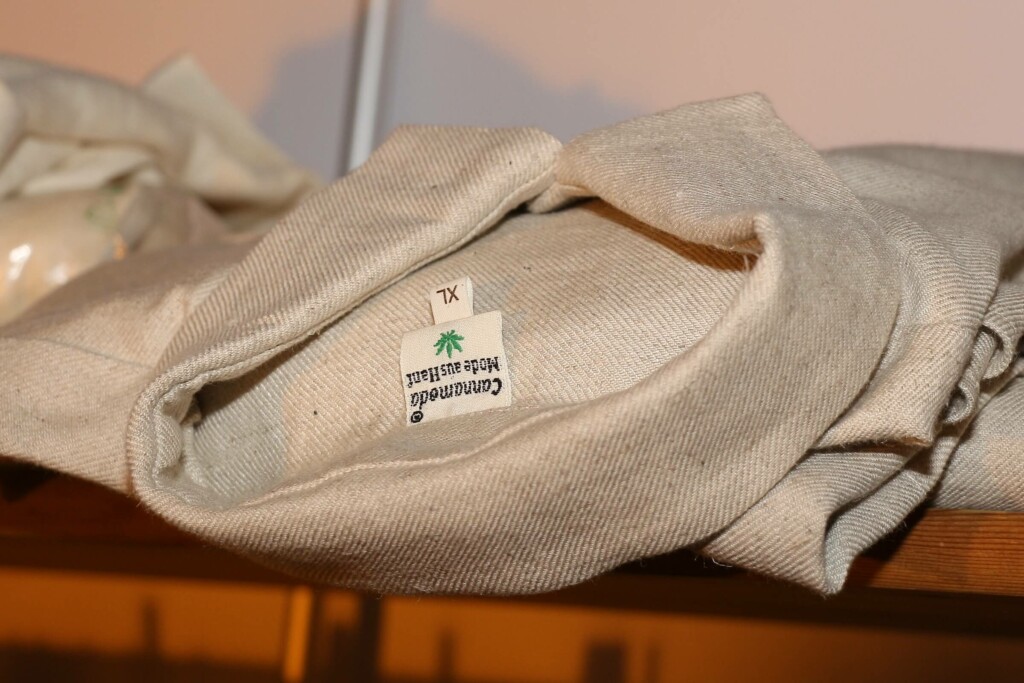
Beyond sustainability, hemp fiber convinces with unique material properties. Hemp textiles are extremely durable and wear-resistant, making them ideal for clothing meant to be worn for many years. They provide temperature regulation, meaning they cool in summer and warm in winter. Furthermore, they absorb moisture well without feeling wet and dry relatively quickly.
Another advantage is their skin-friendliness. Hemp fabrics are hypoallergenic and antibacterial, making them suitable even for people with sensitive skin. These properties make them attractive not only for everyday wear but also for sportswear and leisure clothing. Hemp t-shirts, pants, and shirts are particularly popular, but accessories like bags and hats are also experiencing rising demand.
From niche to trend: hemp in the fashion industry
Just a few years ago, hemp clothing was found mainly in small eco-boutiques. Today it is present in more and more fashion stores and online shops. Major brands are experimenting with hemp fabrics, and numerous smaller labels are deliberately positioning hemp as their unique selling point. This shift is closely tied to the growing importance of „green fashion“ and „slow fashion“ – movements that stand against throwaway fashion and emphasize durability and supply chain transparency.
Hemp is gaining particular importance in the premium and sustainability segment. Many designers appreciate the fiber not only for its ecological advantages but also for its special texture. Hemp fabrics have a characteristic hand-feel that differs from cotton and gives clothing an individual, natural look.
Challenges: price and processing
Despite all its advantages, there are challenges. Hemp textiles are currently more expensive than comparable products made from cotton or synthetic materials. This is primarily due to more complex processing and still-low production volumes. Modern spinning processes that make hemp soft and fine are cost-intensive, and many regions lack large processing facilities that would enable economies of scale.
Additionally, many manufacturers still struggle with prejudices. Some consumers continue to associate hemp fabrics with scratchy materials or alternative niche fashion. Modern blend fabrics that combine hemp with cotton or linen help overcome these hurdles by combining the positive properties of hemp fiber with the softness of other natural fibers.
Consumer trends: transparency and regionality
Another driver for hemp fashion is the growing demand for transparency and regionality. More and more buyers want to know where their clothing comes from and how it was produced. Hemp excels here: the plant grows in many regions of Europe, making short transportation routes possible. A regional value chain – from field to finished garment – is a strong argument for consumers.
The question of fairness also plays an important role. Hemp production in Europe often means better working conditions than in traditional cotton-growing regions. For many consumers who value social sustainability, that’s an additional purchase incentive.
Hemp as the future material of fashion
The fashion industry is at a turning point. While fast fashion faces increasing criticism, the market for sustainable and durable clothing is growing. Hemp offers a convincing answer to many problems in the textile industry. Thanks to modern technologies, it is now possible to produce hemp fabrics that are soft, comfortable, and versatile – from everyday wear to elegant fashion to functional textiles.
Hemp is also increasingly being discovered in the high-fashion segment. Designers appreciate the ability to incorporate natural fabrics with unique aesthetics and tactile qualities into their collections. At the same time, awareness is growing that fashion must be convincing not only aesthetically but also ethically and ecologically.
A fabric with a future
Hemp is back in the fashion world – and this time the trend appears to be lasting. The fiber combines ecological advantages, special material properties, and the possibility of regional production. Higher prices and limited processing capacity still stand in the way of a major breakthrough.
But the signs are good: more and more consumers and designers are consciously choosing hemp, and demand continues to grow. This could make hemp fiber a permanent part of a sustainable fashion industry in the coming years, transitioning from a niche product to mainstream.
Hast du bereits Kleidung aus Hanf gekauft oder getragen?
FAQ: Frequently asked questions about hemp fashion
What is hemp fashion and how does it differ from conventional clothing?
Hemp fashion refers to garments made from hemp fiber or blended fabrics containing hemp. Compared to cotton or polyester, it is significantly more durable, provides temperature regulation, and is hypoallergenic and antibacterial. Hemp fashion also stands for an ecological supply chain: the plant grows in Europe without pesticides and with minimal water consumption.
Why is hemp clothing considered particularly sustainable?
Hemp requires only a fraction of the water that cotton consumes, uses no pesticides, and even improves soil quality. Since the plant grows in many regions of Europe, long transportation routes are eliminated – a clear advantage for the CO₂ footprint. Hemp textiles are also biodegradable, providing a stark contrast to synthetic fibers like polyester.
Is hemp fashion skin-friendly and suitable for people with allergies?
Yes. Hemp fabrics are considered hypoallergenic and antibacterial, making them interesting for people with sensitive skin. Modern spinning processes and blend fabrics (e.g., hemp with organic cotton) also ensure that the material is soft on the skin – the old association with scratchy burlap is outdated.
Why is hemp fashion often more expensive than cotton or synthetic fashion?
Hemp textiles are currently more expensive because the processing chain is more complex and Europe still lacks large industrial facilities. When buying hemp fashion, you’re investing in a durable garment with transparent origins – the cost per wear is often lower than with short-lived fast fashion.


Branchen-Update
News, Analysen und Reportagen — mehrmals im Monat direkt in dein Postfach.
Folge uns