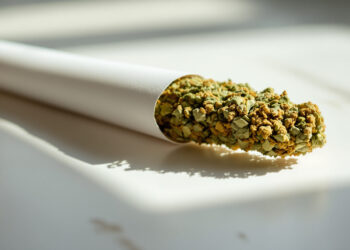
Why the Comparison Between Cannabis and Tobacco Smoking Falls Short
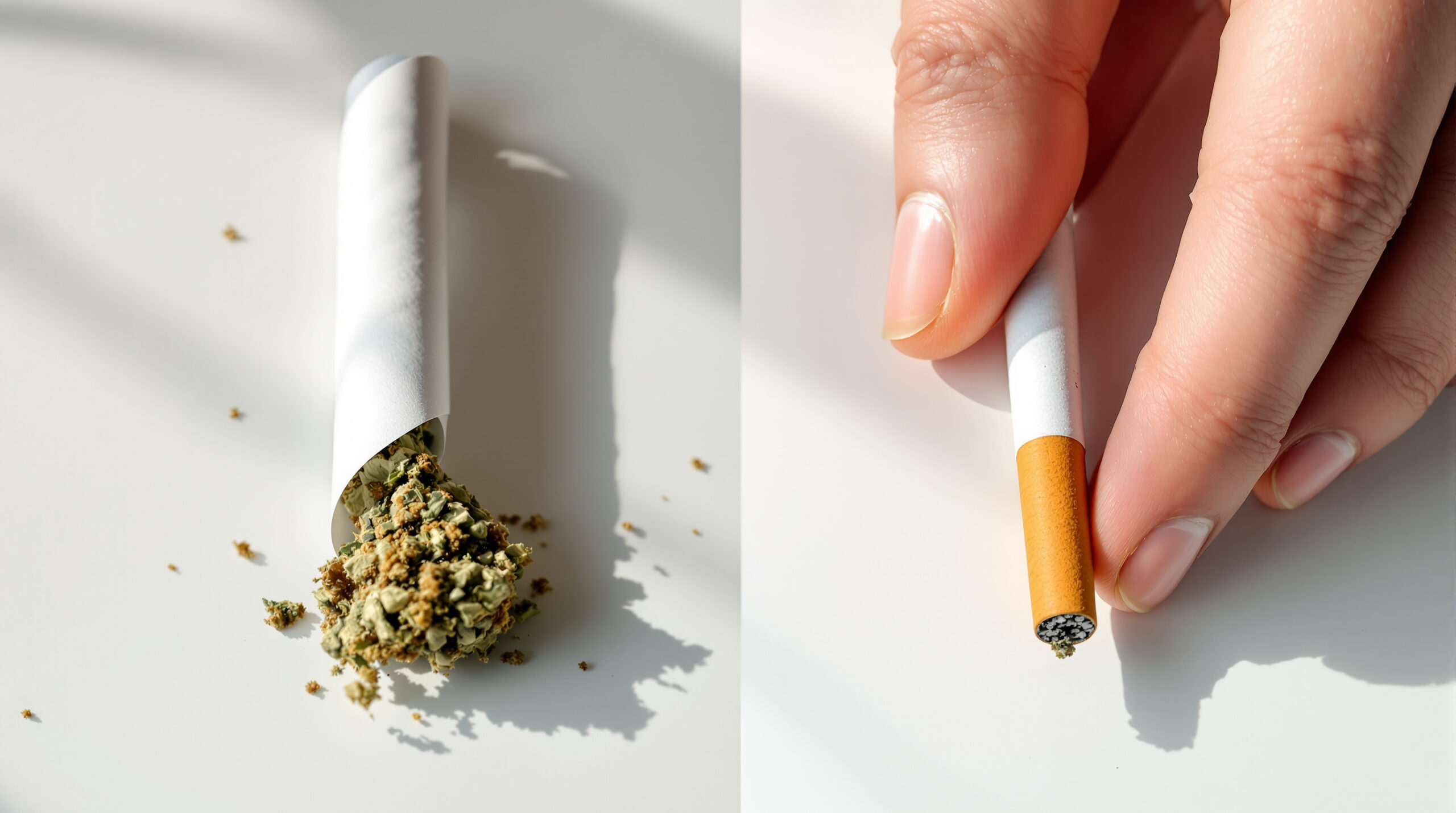
The first problem lies in the question itself. Those who smoke tobacco typically consume ten to twenty cigarettes daily, often for decades. Cannabis consumers, in many cases, smoke one or a few joints, and not necessarily every day. These differences in quantity alone skew any direct comparison of health outcomes. A heavy tobacco smoker inhales multiples more smoke over their lifetime compared to an occasional cannabis consumer.
📑 Inhaltsverzeichnis
- Why the Comparison Between Cannabis and Tobacco Smoking Falls Short
- What Studies Show About Pure Cannabis Smoke
- The Underestimated Risk: Cannabis Mixed With Tobacco
- It’s Not the Plant—It’s the Combustion That’s the Problem
- What This Means in Practice
- Frequently Asked Questions
- 💬 Fragen? Frag den Hanf-Buddy!
Then there’s the chemistry of the substances themselves. Nicotine creates strong physical dependence, driving continuous use. THC works differently and less often creates the same compulsion to consume. Chemically, however, the two smoke types are similar: burning plant material produces tar, carbon monoxide, and polycyclic aromatic hydrocarbons. Interestingly, cannabis smoke in some analyses contains up to twenty times more ammonia and roughly five times more hydrogen cyanide than tobacco smoke. So whether cannabis is healthier than smoking cannot be answered with a single sentence.
What Studies Show About Pure Cannabis Smoke

Despite similar combustion products, some research findings are surprisingly favorable to cannabis. In a widely noted study, 62 percent of pure tobacco smokers showed signs of lung emphysema, compared to just four percent of pure cannabis consumers. Pathological ground-glass opacities in lung tissue also appeared far more frequently in tobacco smokers at 15 percent versus two percent in cannabis consumers.


A similar pattern emerges with cardiovascular health. Calcifications of the coronary arteries were found in 43 percent of tobacco smokers but only 25 percent of cannabis consumers. Lung capacity declined measurably with cannabis only in cases of very heavy long-term use, whereas it noticeably diminished with cigarette smoking after just a few years. These figures explain why some researchers conclude that tobacco smoke places greater overall burden on the lungs than pure cannabis smoke. For a deeper dive, see our detailed analysis in the smoke comparison: why tobacco is more dangerous than cannabis.
That said, cannabis smoking is not entirely risk-free. Regular cannabis consumption demonstrably increases the risk of chronic bronchitis and persistent cough, similar to tobacco. When it comes to lung cancer, study results are mixed. Some studies hint at elevated risk with very heavy long-term use, while large cohort studies have failed to establish a clear link. One thing is certain: the comparison with tobacco offers no blanket safety guarantee. For more on respiratory effects, read our article on cannabis’s impact on lung volume.
The Underestimated Risk: Cannabis Mixed With Tobacco
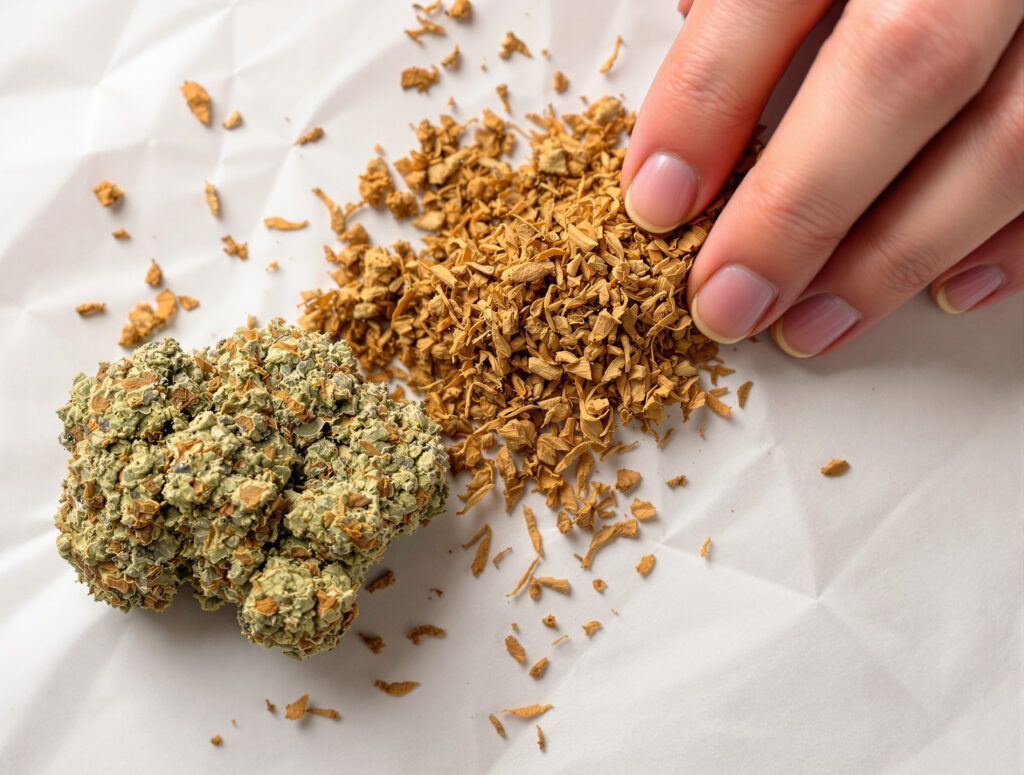
Here lies the critical catch in this comparison. In Germany and much of Europe, the pure joint is actually the exception. Around four out of five young people who use cannabis mix tobacco into the joint. This fundamentally shifts the health question, because suddenly nicotine and all of tobacco’s harmful substances land in the lungs alongside cannabis. What appears to be a gentler form of consumption becomes a gateway to nicotine dependence.
The numbers are striking. In an American twin study, the likelihood of progressing from occasional to regular cigarette smoking increased 4.4-fold when cannabis was also being used. Experts therefore describe tobacco as a Trojan horse in the joint. Anyone wanting to honestly answer the question of healthier consumption must factor in this mixed use, because it largely eliminates cannabis’s apparent advantage over cigarettes. We’ve thoroughly examined these risks in our article on risks of combined cannabis and tobacco use.
It’s Not the Plant—It’s the Combustion That’s the Problem
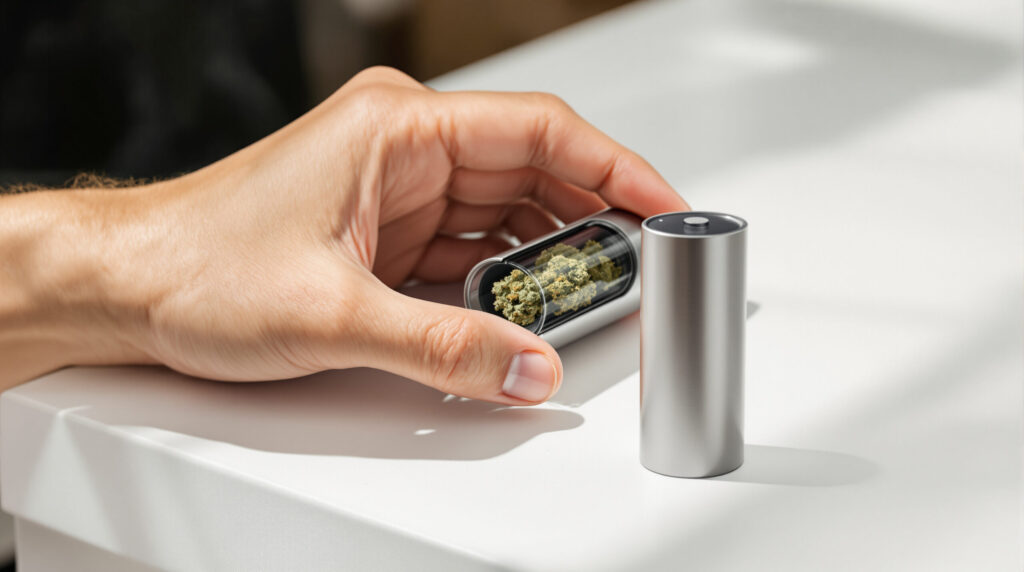
If you take the question of healthier consumption seriously, shift your focus from the substance to the consumption method. The lion’s share of harmful substances arise not from THC or nicotine themselves, but from burning plant material. When a joint burns, over a hundred different combustion products are released, including tar, carbon monoxide, and carcinogenic polycyclic aromatic hydrocarbons. These substances irritate the respiratory tract regardless of whether the smoke contains cannabis or tobacco.
This is precisely where the vaporizer comes in. When vaporizing, cannabis is heated rather than burned. Because the temperature stays below the combustion threshold, far fewer tar, carbon monoxide, and other harmful substances are produced. Studies report significantly lower concentrations of toxic compounds in vapor compared to smoke. A bong does filter smoke somewhat through water, but the combustion process continues, along with most of the associated risks. If you’re considering the switch, our guide offers practical tips on healthier consumption with a vaporizer.
What This Means in Practice
In summary: by current knowledge, pure cannabis smoke places less strain on the lungs than decades-long tobacco consumption, largely because of the typically lower consumption amounts. That doesn’t make cannabis smoking a healthy endeavor, however. The moment tobacco is mixed in, any advantages evaporate and the risk of nicotine dependence comes to the fore. Those wanting to reduce health risks should avoid tobacco in joints and consider smoke-free consumption methods.
The most honest comparison, therefore, isn’t cannabis versus smoking, but combustion versus vaporization. Understanding this distinction helps you make better health decisions than any blanket comparison between cannabis and cigarettes ever could.
Frequently Asked Questions
Is Cannabis Really Healthier Than Smoking Cigarettes?
Pure cannabis smoke performs less harmfully to the lungs and cardiovascular system than tobacco smoke in several studies, largely due to lower typical consumption amounts. However, this doesn’t make cannabis smoking harmless, since cannabis smoke also contains tar and carcinogenic substances.
Why Is Mixing Cannabis With Tobacco So Problematic?
When tobacco is mixed into a joint, nicotine and all of tobacco’s harmful substances enter the lungs alongside cannabis. This significantly increases the risk of nicotine dependence. A twin study found that progressing to regular smoking was 4.4 times more likely when cannabis was also being used.
Does Cannabis Smoke Damage the Lungs?
Regular cannabis consumption can trigger chronic bronchitis and persistent cough, similar to tobacco. However, studies show a noticeable decline in lung capacity only with very heavy and long-term use.
Is Vaporizing Healthier Than Smoking?
With vaporizing, cannabis is heated rather than burned, producing far less tar, carbon monoxide, and other harmful substances. The vaporizer is therefore considered a gentler alternative to a traditional joint, even as THC still delivers its effects.
Does a Bong Filter Out Harmful Substances?
Wie konsumierst du Cannabis, wenn du es rauchst?
A bong cools and filters smoke through water, reducing some irritants. However, the combustion process continues, so tar and carcinogenic combustion products still reach the lungs.






Branchen-Update
News, Analysen und Reportagen — mehrmals im Monat direkt in dein Postfach.
Folge uns