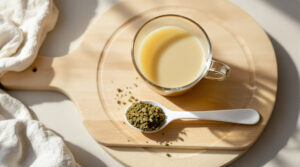
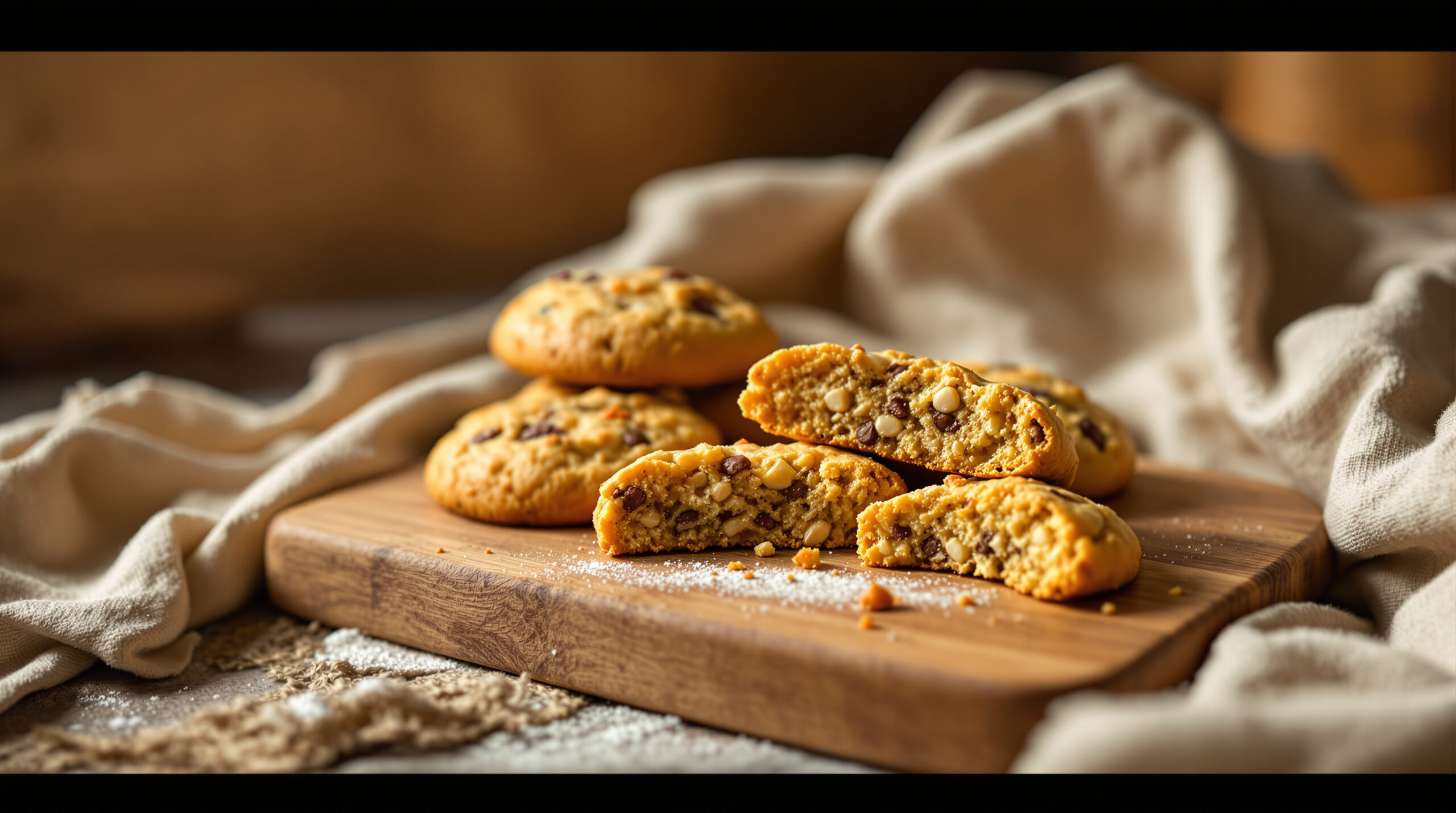
Cannabis cookies, often called „space cookies,“ are a classic among edible cannabis products. This guide covers the fundamentals and culture behind them, links to detailed guides for technical details and interactive calculators, and identifies the most common mistakes when making them at home.
📑 Inhaltsverzeichnis
Few recipes are as deeply woven into cannabis culture as the cannabis cookie. It’s simple in concept but tricky in execution: those who understand the basics bake with confidence; those who skip them often face unpleasant surprises. We’ll break down what matters and link you to detailed resources at each step, keeping this overview lean while ensuring you have everything you need.
Why Cannabis Cookies Are a Classic
The appeal lies in their everyday practicality: a cookie is discreet, shareable, and long-lasting. Unlike smoking or vaping, edibles work with a delayed onset but longer duration, because the active compounds must first pass through the digestive tract and liver. This delayed effect is exactly what makes cannabis cookies appealing to connoisseurs—and potentially risky for beginners. We’ve written a detailed guide on what happens in the body when you eat cannabis: What happens when you eat cannabis.


The Three-Step Fundamentals
At its core, a cannabis cookie is just a regular cookie whose fat carries the active compounds. Three things determine the outcome, and we have detailed guides for all three.
1. Decarboxylization: Converting Raw Material Into Active Compounds
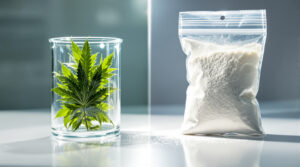
Raw cannabis or hash contains active compounds primarily in their inactive acidic form. Heat converts them through a process called decarboxylization. Too little heat leaves potential untapped; too much destroys it. We explain the fundamentals in detail in Decarboxylization: The Most Important Step When Cooking With Cannabis. Our interactive calculator determines the time and temperature right for your material:
Decarboxylierungs-Rechner
Vor jedem Edible muss aus THCA (oder CBDA) die psychoaktive bzw. wirksame Form THC oder CBD werden. Diese Umwandlung heißt Decarboxylierung — sie folgt einer Arrhenius-Kinetik und kann mit den richtigen Parametern auf 90–97 Prozent gebracht werden, ohne die Terpene zu verbrennen.
Wissenschaftliche Quellen
- Wang M et al. (2016): Decarboxylation Study of Acidic Cannabinoids: A Novel Approach Using Ultra-High-Performance Supercritical Fluid Chromatography/Photodiode Array-Mass Spectrometry. Cannabis & Cannabinoid Research 1(1): 262–271.
- Citti C et al. (2018): Pharmaceutical and biomedical analysis of cannabinoids: A critical review. Journal of Pharmaceutical & Biomedical Analysis 147.
- Iffland K et al. (2016): An update on safety and side effects of cannabidiol. Cannabis & Cannabinoid Research 1(1).
- Sanchez-Carnerero Callado C et al. (2018): The potential of various cannabinoids and cannabinoid-derivatives — Daten zum Terpen-Loss bei verschiedenen Decarb-Temperaturen.
- Aktivierungsenergie THCA→THC: ca. 100 kJ/mol (Arrhenius-Modell, erste Ordnung).
2. Infusing Into Fat: Butter or Oil as a Carrier
Cannabinoids are fat-soluble, not water-soluble. That’s why decarboxylized material goes into fat—classically butter. Our comprehensive guide on Baking with Cannabis: Decarboxylization, Infusion, and Science shows how to do this cleanly and why temperature and time matter. This infused butter then replaces regular butter in your recipe.
3. Baking and Dosing: The Real Art
The baking itself follows a standard cookie recipe. The challenge is even distribution and—most critically—consistent dosing per cookie. This is where most mistakes happen. Our guide Cannabis Edible Dosing: How to Avoid Overdosing explains realistic calculations. For specific per-portion math, use our edibles calculator:
Edible-Dosierungs-Rechner
Plane Cannabis-Edibles präzise: aus Material-Menge und THC-Gehalt berechnest du die wirksame Dosis pro Portion. Unter Berücksichtigung von Decarboxylierungs-Yield und Verarbeitungsverlust.
Wissenschaftliche Quellen
- Wang M et al. (2016): Decarboxylation Study of Acidic Cannabinoids. Cannabis & Cannabinoid Research 1(1).
- Sasaki K et al. (2017): Pharmacokinetics of oral THC vs. inhalation. Drug Testing & Analysis.
- Vandrey R et al. (2015): Cannabinoid Dose and Label Accuracy in Edible Medical Cannabis Products. JAMA 313(24).
- Klumpers LE et al. (2017): Surinabant, a selective CB1 antagonist, inhibits THC-induced central nervous system and heart rate effects — Wirkbereich 5–25 mg oral.
- Bioverfügbarkeit oral: 4–12 % (vs. 10–35 % inhalativ), daher höhere mg-Dosen für vergleichbare Wirkung nötig.
The Most Common Mistakes
The classic error is impatience. Because effects take 30 to 120 minutes to kick in, people often redose before the first cookie even takes effect—with predictably unpleasant results. The second trap is uneven distribution: if infused butter isn’t thoroughly mixed in, one cookie may contain almost nothing while the next has far too much. Third, many underestimate how individually people respond to oral consumption. The simple rule: start low, wait long enough, then decide. For a particularly cautious start, consider microdosing.
Also important is the legal framework governing your jurisdiction when it comes to producing edibles with THC-containing cannabis.
Conclusion
Cannabis cookies are classics because they sound simple, yet they demand precision in details like decarboxylization, fat infusion, and dosing. If you want to bake them yourself, our linked guides and calculators provide everything you need to do it properly. For a different approach and a fully calculated recipe example, LEAFZ offers a detailed cannabis cookie recipe guide.
Note: This article is for informational purposes and does not constitute medical or efficacy claims. Handling THC-containing cannabis is subject to local cannabis consumption laws; mentioned finished products are freely available hemp food products for adults 18 and over.
Hast du schon einmal selbst Haschkekse gebacken?
Advertisement. This article was created in paid cooperation with LEAFZ.




Branchen-Update
News, Analysen und Reportagen — mehrmals im Monat direkt in dein Postfach.
Folge uns