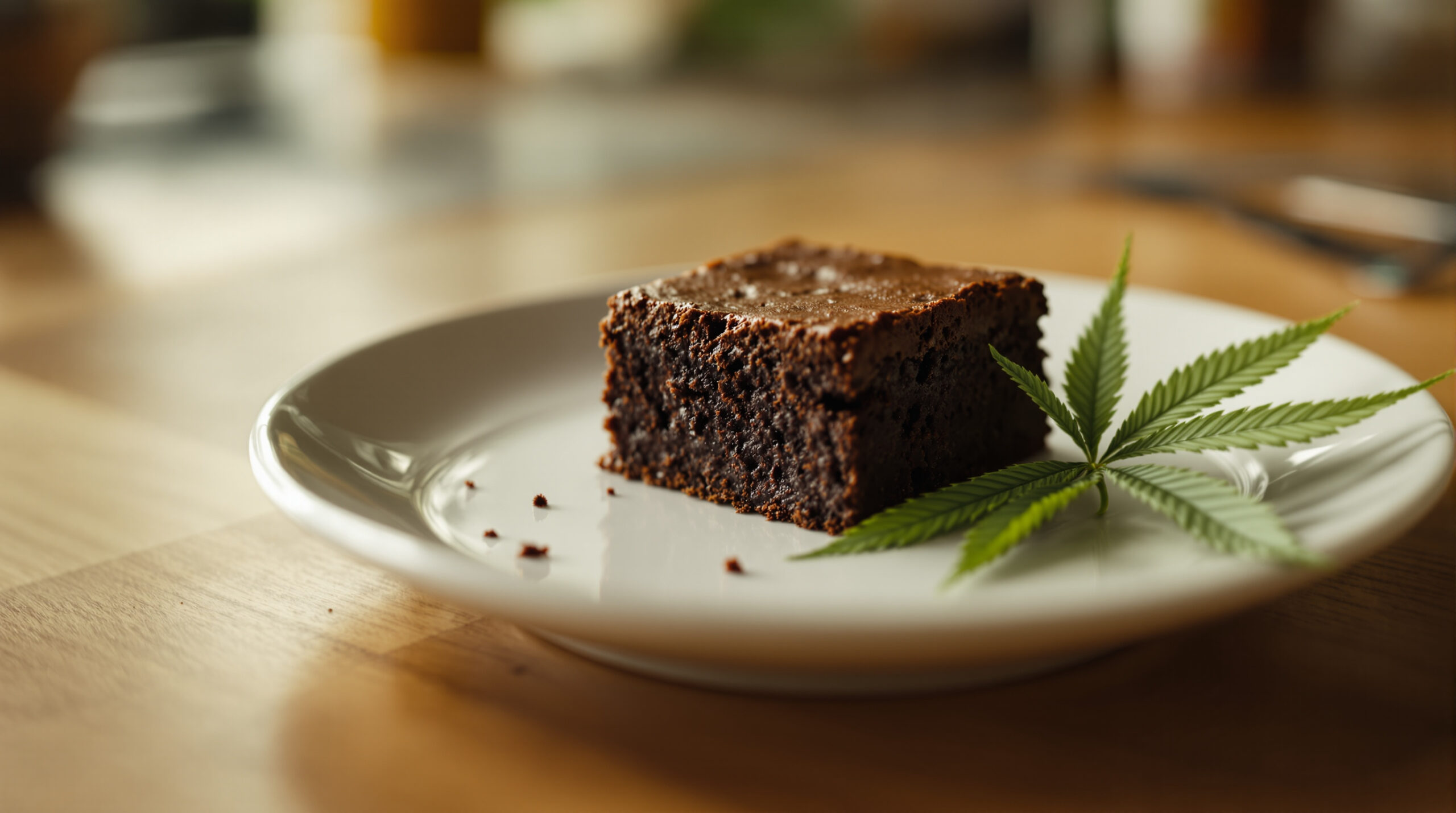
When you eat cannabis instead of smoking or vaping it, you enter a completely different pharmacological world. The active compounds take a different route through your body, the effects begin later, last significantly longer, and for many people feel noticeably more intense than a comparable hit from a joint. This shift makes oral consumption both appealing and potentially tricky. This article explains step-by-step what happens in your body when an edible reaches your stomach, why the notorious delay occurs, and how to find a dose that works without getting out of hand.
📑 Inhaltsverzeichnis
What Happens When You Eat Cannabis: The Path Through Your Body
When smoking or vaping, THC enters the bloodstream almost immediately through the lungs and reaches the brain within seconds to minutes. When eaten, the route is much longer. The edible first travels to the stomach and then to the small intestine, where fat-soluble cannabinoids are absorbed. From there, blood doesn’t flow directly into general circulation but first through the portal vein to the liver. This detour is the crucial difference and the reason why ingested cannabis feels so different from smoked cannabis.
In the liver, THC undergoes what’s called first-pass metabolism. A large portion of the ingested compound is converted here before ever reaching the rest of your body. This lowers the amount of unchanged THC that reaches the brain, but conversely creates a new, highly active molecule. For a general understanding of the differences between consumption methods, check out our overview of edibles, eating and drinking instead of smoking.


11-Hydroxy-THC: Why Eaten Cannabis Often Feels Stronger
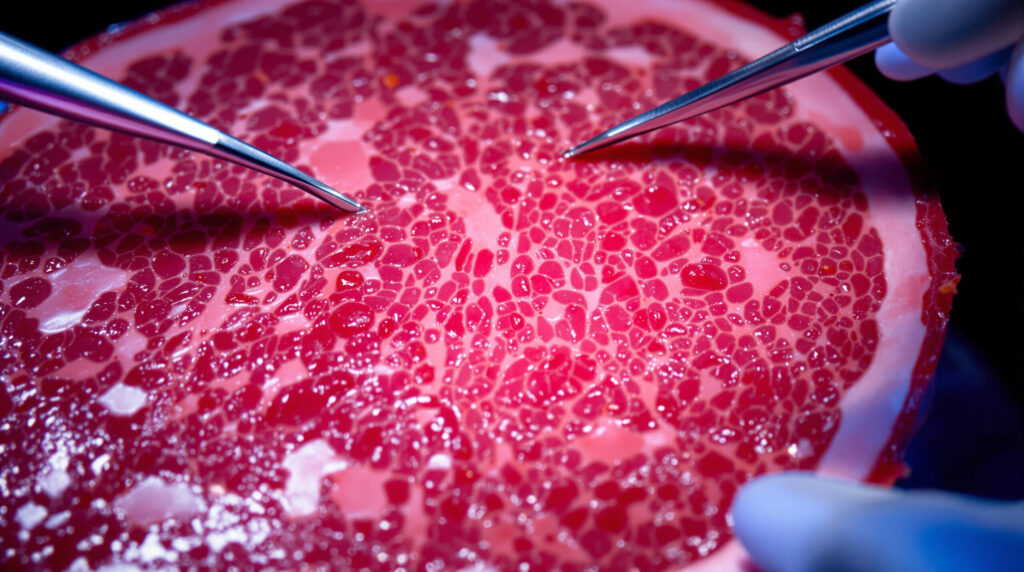
During first-pass metabolism, enzymes from the cytochrome P450 family, particularly CYP2C9, convert a significant portion of delta-9-THC into 11-hydroxy-THC. This metabolite is considered substantially more potent than the original THC and is estimated in scientific circles to be approximately two to three times as effective. Additionally, it crosses the blood-brain barrier particularly efficiently. When inhaling, this molecule is produced only in small amounts because THC first bypasses the liver. When eaten, however, a large portion is directly converted into 11-hydroxy-THC.
This leads to an important rule of thumb: the same milligram amount of THC typically feels stronger when eaten than when smoked. This explains why people coming from smoking joints chronically underestimate their oral dosage. The body doesn’t simply receive the same THC with a delay, but to a considerable extent a more potent relative. Additionally, 11-hydroxy-THC remains longer in blood plasma and reaches its peak concentration later, which further extends the duration of edible effects.
Onset and Duration: The Dreaded Delay
The most common cause of unpleasant experiences is the delay itself. For most people, an edible’s effects begin 30 to 90 minutes after consumption, and in some cases can take up to two or three hours. The exact timing depends on metabolism, stomach contents, and product type. On an empty stomach, it tends to happen faster; after a fatty meal, slower but often more intense. Beverages and quick-dissolving lozenges typically work sooner than a dense brownie that needs digestion.
This is where the classic trap lies. If you feel nothing after 45 minutes, you might think the dose was too weak and take more. When both portions hit at once, the total amount is already too high. The peak effect usually occurs after two to four hours. The noticeable duration typically falls between four and eight hours, with aftereffects potentially lingering for twelve hours or longer. To learn how the industry is working on this timing problem, see our article on how new technologies are making edibles work faster.
Safe Dosing: Start Low, Go Slow
The cardinal rule of oral cannabis has always been: start low and go slow. For people without experience, a starting dose of 1 to 2.5 milligrams of THC is considered reasonable, while more experienced users often operate in the 2.5 to 5 milligram range. These amounts sound tiny, but because of the potent 11-hydroxy-THC, they’re often completely sufficient for noticeable effects. The key is patience afterward. After your first dose, you should wait at least two hours, preferably three, before even considering taking more.
An excessive dose rarely creates life-threatening situations but can be quite unpleasant. Typical overdose symptoms include nausea, heart palpitations, dizziness, pronounced anxiety up to panic, and in severe cases temporary confusion. These states are frightening but subside on their own. Helpful measures include a calm environment, plenty of water, something to eat, and knowing that it will pass. If you regularly use edibles, avoid mixing them with alcohol, as alcohol can unpredictably amplify the effects.
Eating Raw Cannabis: Why Nothing Happens
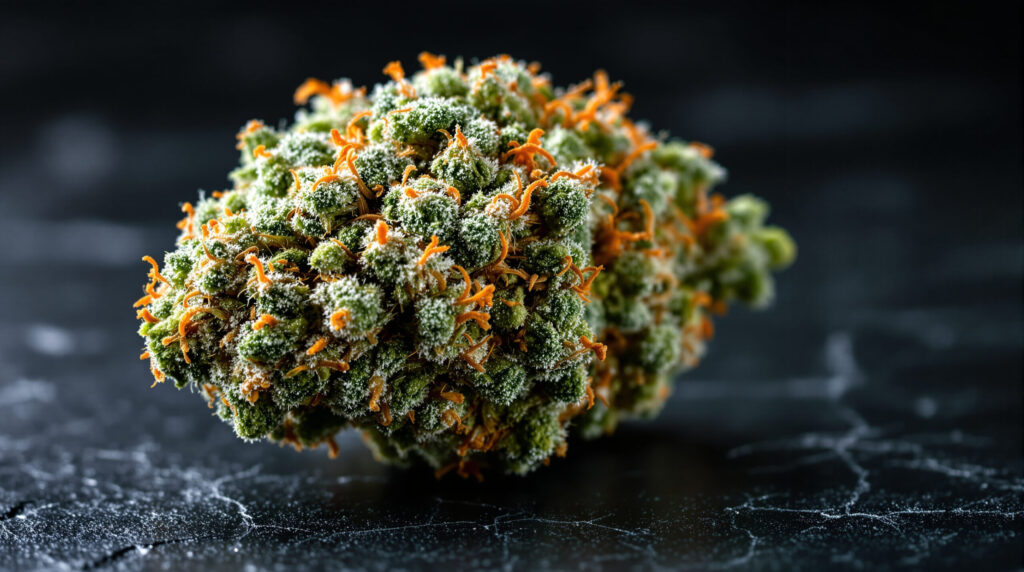
A widespread misconception is that you can simply chew a piece of dried flower and expect effects. Pharmacologically, almost nothing happens. In fresh or dried plant material, the cannabinoid exists predominantly as THCA—the acidic precursor that is not psychoactive. Only through heat does a carbon dioxide molecule split off, converting THCA into the active THC. This process is called decarboxylation.
During smoking and vaping, this conversion happens automatically and instantly through heat. If you want to make edibles yourself, however, you must heat the material beforehand, otherwise the effects won’t occur. Simply mixing raw flower into batter isn’t enough because baking heat usually doesn’t achieve complete and uniform conversion. For more on whether raw cannabis has any benefits, read our article on eating raw cannabis and whether it helps.
Frequently Asked Questions
How long does it take for eaten cannabis to take effect?
For most people, effects begin 30 to 90 minutes after ingestion, occasionally not until two to three hours. On an empty stomach it’s faster; after a fatty meal, slower. It’s important not to redose during this period, otherwise two doses will overlap.
Why does eaten cannabis feel stronger than smoked cannabis?
When eaten, the liver’s first-pass metabolism converts a large portion of THC into 11-hydroxy-THC. This metabolite is considered approximately two to three times more potent and crosses the blood-brain barrier particularly well. That’s why the same milligram amount typically feels stronger when eaten than when smoked.
How long do edible effects last?
Peak effects usually occur after two to four hours, with noticeable duration typically between four and eight hours. Aftereffects can linger for twelve hours or longer. Plan accordingly and avoid taking edibles before driving or working.
What dose should beginners start with?
If you have no experience, begin with 1 to 2.5 milligrams of THC. More experienced users often operate in the 2.5 to 5 milligram range. After your first dose, wait at least two to three hours before considering any additional consumption.
Can you overdose on an edible?
Hast du schon einmal Cannabis gegessen oder getrunken?
A fatal THC overdose is considered virtually impossible, but an excessively high dose can be very unpleasant. Typical symptoms include nausea, heart palpitations, dizziness, and severe anxiety. These states are harmless in their course and subside naturally. A calm environment, water, and patience help most.







Branchen-Update
News, Analysen und Reportagen — mehrmals im Monat direkt in dein Postfach.
Folge uns