Anyone who has taken too much knows the feeling: the room spins, the heart pounds, a cold wave of nausea and panic rolls in. In cannabis consumption, this state is called a greenout, colloquially „turning green.“ The most frequent question in this moment is usually: how much longer will this last? The reassuring answer upfront: a greenout is unpleasant, but practically never life-threatening, and it will pass on its own. How long exactly depends mainly on how the THC entered the body.
📑 Inhaltsverzeichnis
This article puts the duration of a greenout into perspective, explains what happens in the body, which immediate measures actually help, and when medical attention is truly necessary. It’s about realistic expectations rather than scaremongering, because often the fear itself worsens symptoms more than the THC does.
What happens in the body during a cannabis overdose
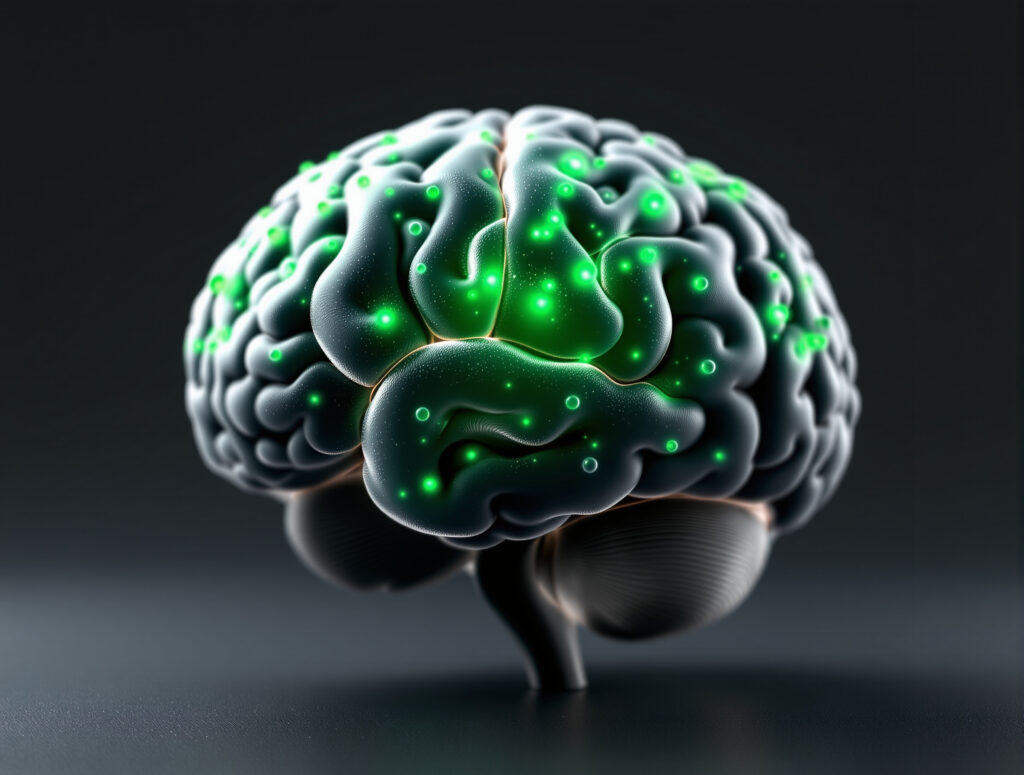
A greenout is not poisoning in the classical sense, but rather overstimulation. THC binds to CB1 receptors of the endocannabinoid system in the brain. When these receptors are flooded with too high a dose, the pleasant effects shift into physical and mental discomfort. Typical signs include dizziness, nausea, pallor, cold sweat, an accelerated pulse, as well as anxiety, confusion, and sometimes paranoia.


Crucial for classification: unlike opioids or alcohol, THC does not suppress vital functions like breathing and heartbeat. The brain regions that control these functions have few CB1 receptors. This is precisely why a lethal cannabis overdose in humans is not documented. The body breaks down the THC on its own and fully regulates itself afterward. Those who want to understand the mechanics behind this will find a good starting point in our article on the effects of CBD on psychoactive THC.
Cannabis overdose: How long does a greenout really last?
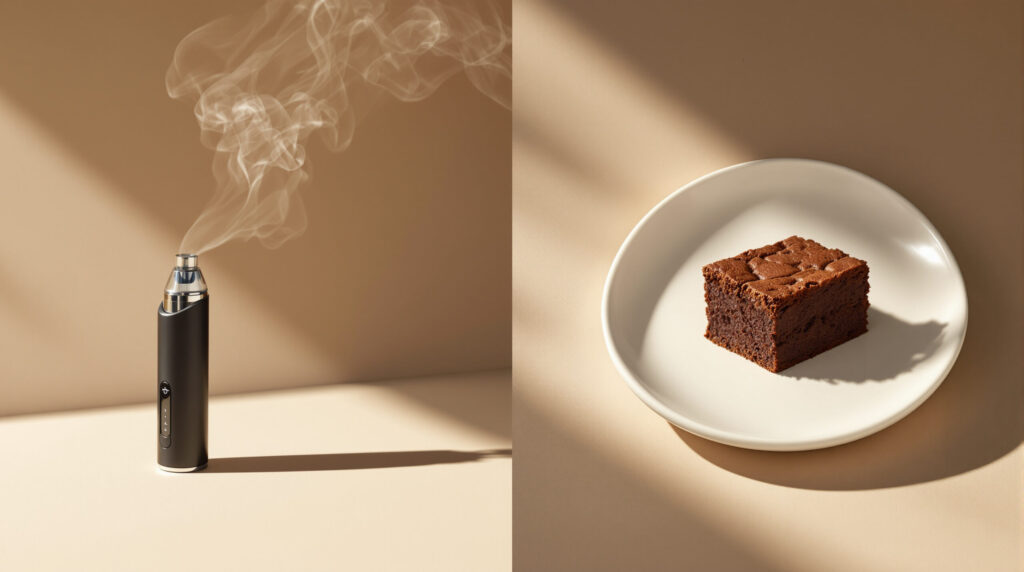
The most important variable is the method of consumption. When smoked or vaporized, THC floods the bloodstream within minutes. The peak of the effect is usually reached after 30 to 60 minutes, after which the curve noticeably flattens. A greenout from inhalation typically lasts between 30 minutes and a few hours. Often it improves significantly after one to two hours, though a residual feeling of lightheadedness can linger for a while.
It’s different with oral consumption. Those who eat cannabis, such as in the form of cookies or oils, feel the effects only after 30 to 120 minutes because the THC is first metabolized through the liver. There, the more potent 11-hydroxy-THC is created. This very delay leads to the classic trap of taking more and thus to noticeably more intense greenouts. Episodes triggered orally typically last six to twelve hours, in individual cases up to 24 hours. We’ve compiled tips for safe dosing in our guide on correctly dosing cannabis edibles.
Beyond the method of consumption, other factors influence the duration. These include individual tolerance, body weight, an empty or full stomach, the THC content of the product, and one’s condition on the day. Beginners and people with low tolerance experience greenouts faster and more intensely than regular users. Those who have also consumed alcohol often significantly intensify dizziness and circulation problems.
What helps immediately during a greenout
The most effective measure sounds banal but is central: stay calm. A greenout feels threatening, but it reliably passes. Those who remind themselves of this repeatedly break the spiral of fear and symptom amplification. A quiet, dimly lit place without glaring light and loud music reduces additional sensory stress. Fresh air and an open window often work wonders against nausea and heat sensation.
Slow, deep breathing calms the heartbeat and dampens panic. It helps to breathe into the belly, exhaling longer than inhaling. Drinking enough water stabilizes circulation, especially when sweating and dry mouth occur. A small, light meal or something sugary can help with dizziness and that queasy stomach feeling. A trusted person who stays calm and doesn’t spiral into panic themselves is one of the best forms of help available.
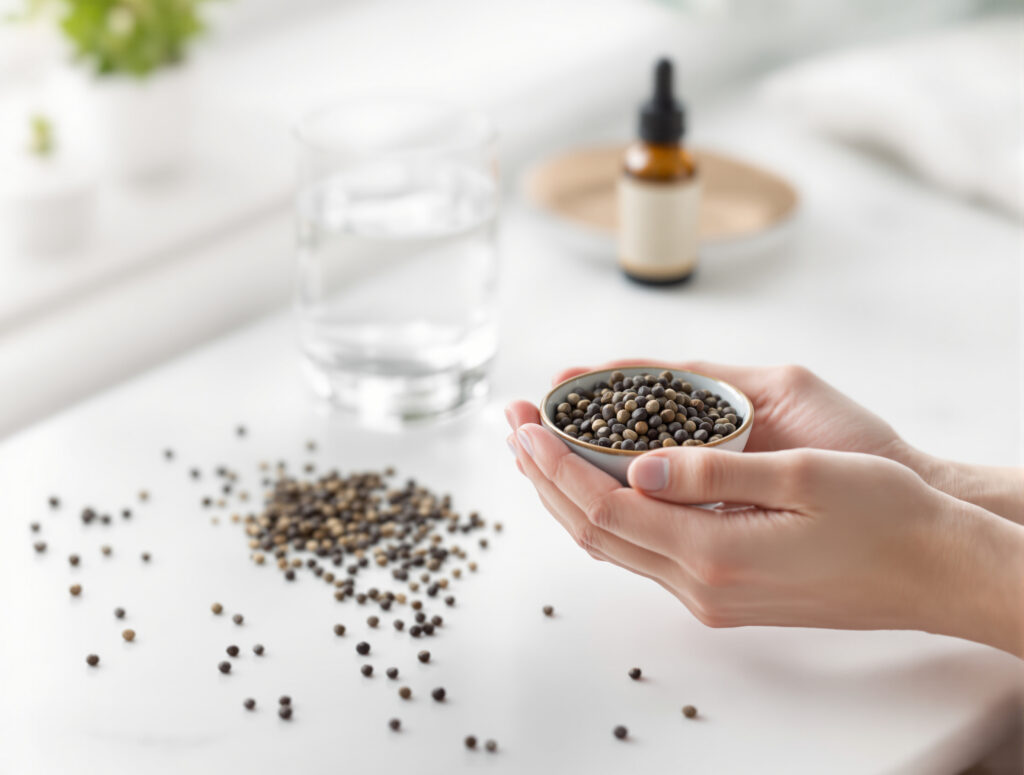
A trick long practiced in consumption circles is chewing a few black peppercorns. Behind this lies the terpene beta-caryophyllene, which binds to CB2 receptors and is said to have anxiety-relieving effects. CBD is similarly discussed: it can ease the psychoactive effects of THC. Scientifically, both effects are not conclusively proven, but many users report noticeable relief. Those who consume regularly should have CBD on hand anyway. We explore in greater depth how cannabis can trigger anxiety and paranoia and what helps against it in our article on cannabis and paranoia.
When a greenout becomes an emergency
In the vast majority of cases, no doctor is needed; the greenout resolves on its own. However, there are situations where you should call emergency services. These include persistent shortness of breath, chest pain, prolonged confusion of consciousness, repeated vomiting with risk of dehydration, or seizures. Those who are uncertain should err on the side of caution and contact poison control or emergency services rather than wait too long.
Special caution applies to children. Accidentally consumed edibles are the most common cause of severe cannabis intoxication in childhood and generally belong in medical hands. Mixed consumption with alcohol or other substances also significantly increases the risk of circulatory collapse. A separate case is cannabinoid hyperemesis syndrome, in which chronic use triggers cyclical, severe vomiting. It cannot be confused with an acute greenout and requires medical evaluation.
How to prevent a greenout
The best greenout is one that never happens in the first place. The most important rule is to start slowly and know your own tolerance. With edibles, the principle of patient waiting applies: take a small dose, wait at least two hours, and under no circumstances dose again prematurely. On an empty stomach, THC often works stronger and faster, so having something in your stomach makes sense.
Products with high THC content and simultaneously low CBD content tend to trigger anxiety and greenouts more readily. A more balanced ratio can round out the effects. Mixed consumption, especially with alcohol, should be avoided. Those who consume in a familiar environment and in a good mood additionally lower the risk, because the so-called set and setting significantly influence cannabis’s effects. These principles belong to the foundations of responsible use, which we cover extensively in our Safer Use topic area.
Frequently asked questions
How long does a greenout last after smoking?
After smoking or vaporizing, a greenout usually reaches its peak after 30 to 60 minutes and then subsides. It typically improves significantly after one to two hours. A light feeling of lightheadedness can linger for several more hours, but acute symptoms are usually over quickly.
Why does a greenout from edibles last so much longer?
THC taken orally is metabolized through the liver, where the more potent 11-hydroxy-THC is created. The effects set in with a delay and last longer, typically six to twelve hours, in individual cases up to 24 hours. This is why greenouts from edibles are often more intense than those from smoking.
Can you die from a cannabis overdose?
A lethal cannabis overdose in humans is not documented. THC does not impair vital functions like breathing and heartbeat the way alcohol or opioids do, because the brain regions responsible for these functions have few CB1 receptors. The greenout is unpleasant but practically never life-threatening.
Does black pepper really help against a greenout?
Black pepper contains the terpene beta-caryophyllene, which binds to CB2 receptors and is said to have anxiety-relieving effects. Many users report relief when they chew or smell a few peppercorns. While the effect is not scientifically conclusive, the pepper trick is considered harmless as a self-help experiment.
When should I call a doctor for a cannabis overdose?
Hast du schon einmal einen Greenout erlebt?
Medical attention is needed for persistent shortness of breath, chest pain, prolonged confusion, repeated vomiting, or seizures. Also in cases where children have accidentally eaten edibles, and with risky mixed consumption involving alcohol: when in doubt, it’s better to contact emergency services or poison control.







Branchen-Update
News, Analysen und Reportagen — mehrmals im Monat direkt in dein Postfach.
Folge uns