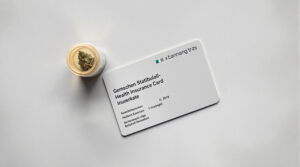

The Bundestag passed the GKV-Beitragssatzstabilisierungsgesetz (Statutory Health Insurance Contribution Rate Stabilization Act) on July 10, 2026. After months of uncertainty, the decision has been made. For approximately 65,000 cannabis patients in the statutory health insurance system, reimbursement is fundamentally changing. Dried flower and extracts become second choice, while approved finished pharmaceuticals receive priority.
📑 Inhaltsverzeichnis
When the Bundestag first discussed the reimbursement freeze in June, the specific details remained unclear. Shortly before the vote, it became apparent that cannabis extract reimbursement was also at risk. Now the final version is before us, confirming the stricter approach. The cannabis chapter is just a small part of a major budget-cutting law, but it’s the most significant point for those affected.
What the Bundestag Decided on Cannabis Reimbursement
The core of the new regulation is a mandatory preliminary therapy trial. Before insurance covers flower or extract, treatment must first occur with an approved cannabis-containing finished pharmaceutical. A minimum period of six months is prescribed. Only if this trial remains documentably unsuccessful do flower and extracts qualify as reimbursable alternatives.


Unlike the original cabinet draft, dried flower doesn’t completely disappear from the coverage catalog. However, it drops to second tier. The priority rule explicitly applies to both forms of delivery—flower and extract alike. In practice, the legislature is reversing previous prescribing reality, where many physicians directly prescribed flower preparations.
Four Approved Medicines, But Barely Suitable Options
The real problem lies in the details. Germany currently has only four approved cannabis-containing finished pharmaceuticals. Sativex works against spasticity in multiple sclerosis, Epidyolex against certain epilepsy forms, and Canemes against nausea from chemotherapy. Recently added is Exilby, approved for chronic back pain.
For the largest patient group, this list helps little. Most patients suffer from chronic pain not covered by any of the three established approvals. Exilby could theoretically close this gap, but remains stuck in price negotiations and is therefore practically not reimbursable. Our overview shows how price determines actual access through AMNOG and insurance companies. Until then, pain patients must test a medication not intended for their condition.
Criticism from Pharmacies and Industry Groups
The resistance is clear. Berlin pharmacist Melanie Dolfen warns the regulation will severely restrict access to medicinal cannabis. The Federal Association of Pharmaceutical Cannabinoid Companies argues that forcing the detour through finished pharmaceuticals saves no money and even contradicts the law’s stated savings goal. Critics also see physician clinical autonomy compromised, as the priority rule replaces a medical decision with a formal sequence.
For many affected patients, this isn’t abstract debate but a wallet issue. Those initially left uncovered must self-fund flower. We’ve previously described how burdensome this can be for those unable to self-pay for their medical cannabis. The new priority rule will likely expand this group.
What Happens After the Bundestag Decision
The decision doesn’t finalize the process. This isn’t a Zustimmungsgesetz (law requiring upper chamber approval), so the Bundesrat doesn’t need to consent. However, it can invoke the mediation committee and force improvements. Several industry groups have already called for exactly this. Whether this path is taken will be decided in coming weeks.
Regardless of insurance coverage, prescription remains possible. Cannabis can continue to be obtained via private prescription, but at personal cost. A thoughtful prescribing approach can ease access, as demonstrated previously by Baden-Württemberg’s model making medical cannabis prescription easier. Implementation of the new priority system now depends on guideline details.
Frequently Asked Questions
Will Cannabis Flower No Longer Be Covered at All?
No, it’s not a complete end. Flower remains generally reimbursable but moves behind approved finished pharmaceuticals. Only after a six-month therapy trial with such a product fails can insurance cover flower or extracts.
What Does the Six-Month Trial Period Mean Practically?
Patients must first use an approved cannabis-containing finished pharmaceutical for at least six months before insurance covers flower or extracts. If this trial remains documentably unsuccessful, the path to prescription preparations opens.
Which Finished Pharmaceuticals Have Priority?
Currently approved are Sativex, Epidyolex, Canemes, and Exilby. Their indications are narrowly defined and primarily cover spasticity, epilepsy, chemotherapy nausea, and chronic back pain. For many other conditions, no suitable product yet exists.
Can I Still Get Cannabis via Private Prescription?
Yes, medical prescription via private prescription remains possible. Patients bear the costs themselves in this case. The new regulation affects only statutory health insurance reimbursement.
Is the Law Already in Effect?
The Bundestag passed the law on July 10, 2026. The Bundesrat can invoke the mediation committee before it becomes final. Until then, previous reimbursement practices continue.
Sollten Cannabisblüten weiter direkt auf Kassenrezept verfügbar sein?
Sources: Federal Ministry of Health (announcement of GKV-Beitragssatzstabilisierungsgesetz decision, 10.07.2026), Deutsches Ärzteblatt, Pharmazeutische Zeitung, Business of Cannabis.






Branchen-Update
News, Analysen und Reportagen — mehrmals im Monat direkt in dein Postfach.
Folge uns