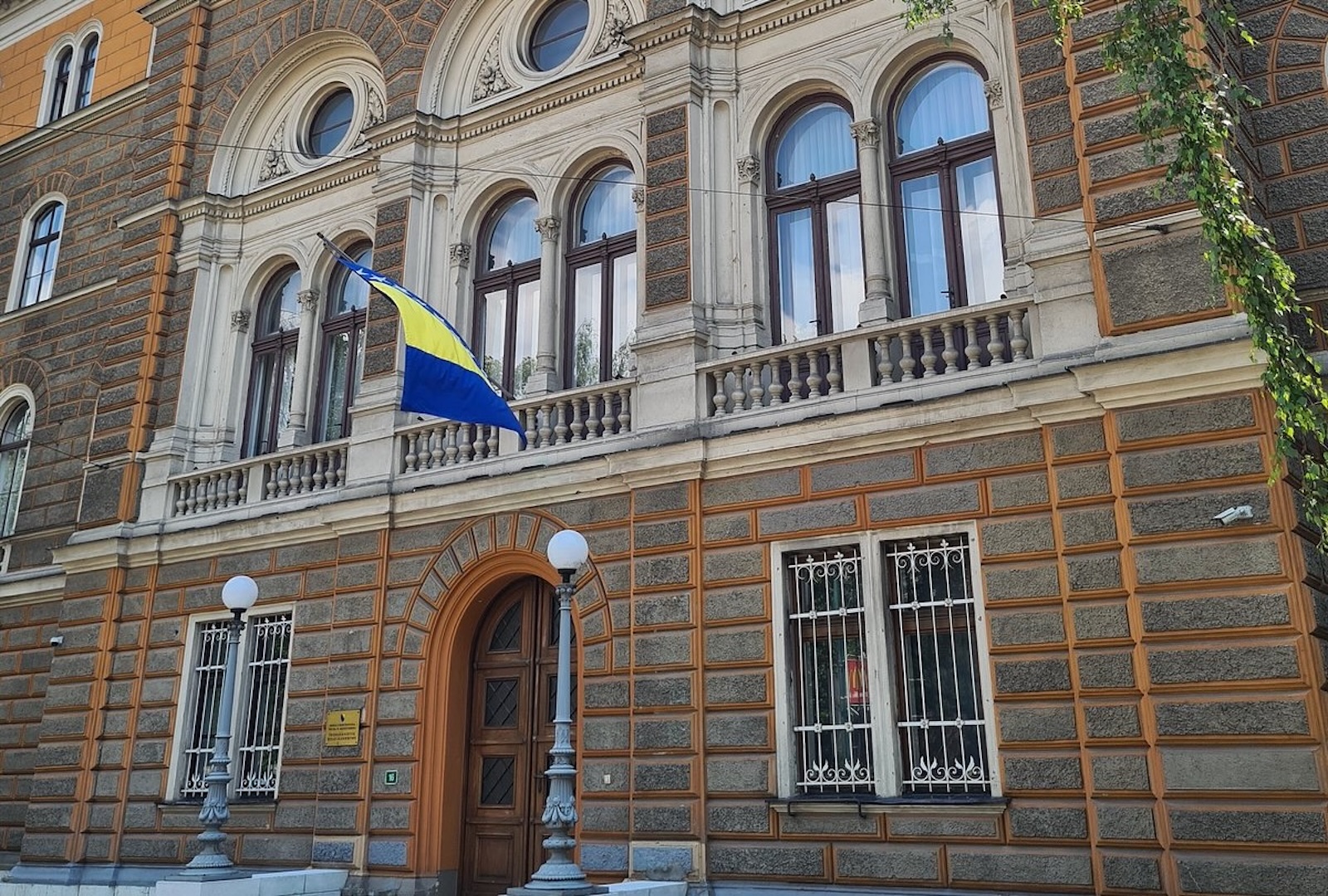
On December 29, 2025, the Council of Ministers passed legislation legalizing the medical use of cannabis in Bosnia and Herzegovina. Although practical implementation still raises open questions, the legal foundation has at least been established. Cannabis has been downgraded from a banned drug to a strictly regulated substance. For a country that previously viewed even CBD critically, this represents enormous progress. This reclassification of cannabis could improve the quality of life for many patients.
📑 Inhaltsverzeichnis
Strict Regulation, But a Step in the Right Direction
Administration will be possible only as finished pharmaceutical preparations following medical prescription. A crucial factor being overlooked, however, is that flower would be a significantly better choice. Isolated individual cannabinoids cannot produce the synergistic effect known as the entourage effect that characterizes whole flower cannabis. Nevertheless, this is a first step in the right direction. Many details remain unclear: it must still be defined whether cannabis will be grown domestically or imported. Whether health insurance will cover costs is also a critical question that remains to be resolved. Due to the numerous regulatory hurdles, it is currently unclear when distribution to patients can begin.
This legislative change was driven primarily by Saša Magazinović of the Social Democratic Party. As he told the press, the decisive foundation has now been laid for medical cannabis use. Dubravka Bošnjak, the Minister of Civil Affairs, also contributed significantly to creating the appropriate legal framework. She has consistently advocated for scientific findings to inform political decisions. The legislative change is the result of years of controversial debate on this topic. The discussion lasted over ten years before the government could reach a compromise. Key factors driving this step were numerous positive patient testimonies during parliamentary hearings. People with chronic illnesses spoke compellingly about their experiences and how cannabis products had significantly improved their quality of life—often after conventional therapies had failed.


Precedent as a Catalyst
The decisive case that substantially contributed to loosening the law came from the testimony of Irfan Ribić. The artist suffers from multiple sclerosis and was able to substantially alleviate his symptoms through cannabis oil. This case gained media attention and showed even skeptical observers that there are situations where cannabis use can be beneficial. He was also the one who motivated Saša Magazinović to advocate for corresponding legislative change.
By publicly stating that he used cannabis as self-medication, Irfan Ribić faced harsh criticism. He was literally called a drug addict and a fool. However, his persistence ultimately led, after years of stigmatization, to his case being decisive in achieving approval for medical use.
Optimism Despite Practical Hurdles
To clarify outstanding points regarding practical implementation, a working group was already established in the Council of Ministers in September. The specific conditions for which cannabis preparations should be used still need to be defined. Important details such as quality assurance and documentation of the entire prescription process must also be developed. Despite some organizational challenges that still need to be overcome, Saša Magazinović expressed optimism that neighboring countries will follow this example in the coming years.





Sollte medizinisches Cannabis auch in Deutschland nur als Fertigpräparat erlaubt sein?
Branchen-Update
News, Analysen und Reportagen — mehrmals im Monat direkt in dein Postfach.
Folge uns