Why the Risk of Bud Rot Increases Right Now
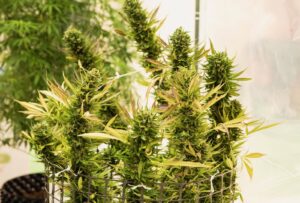
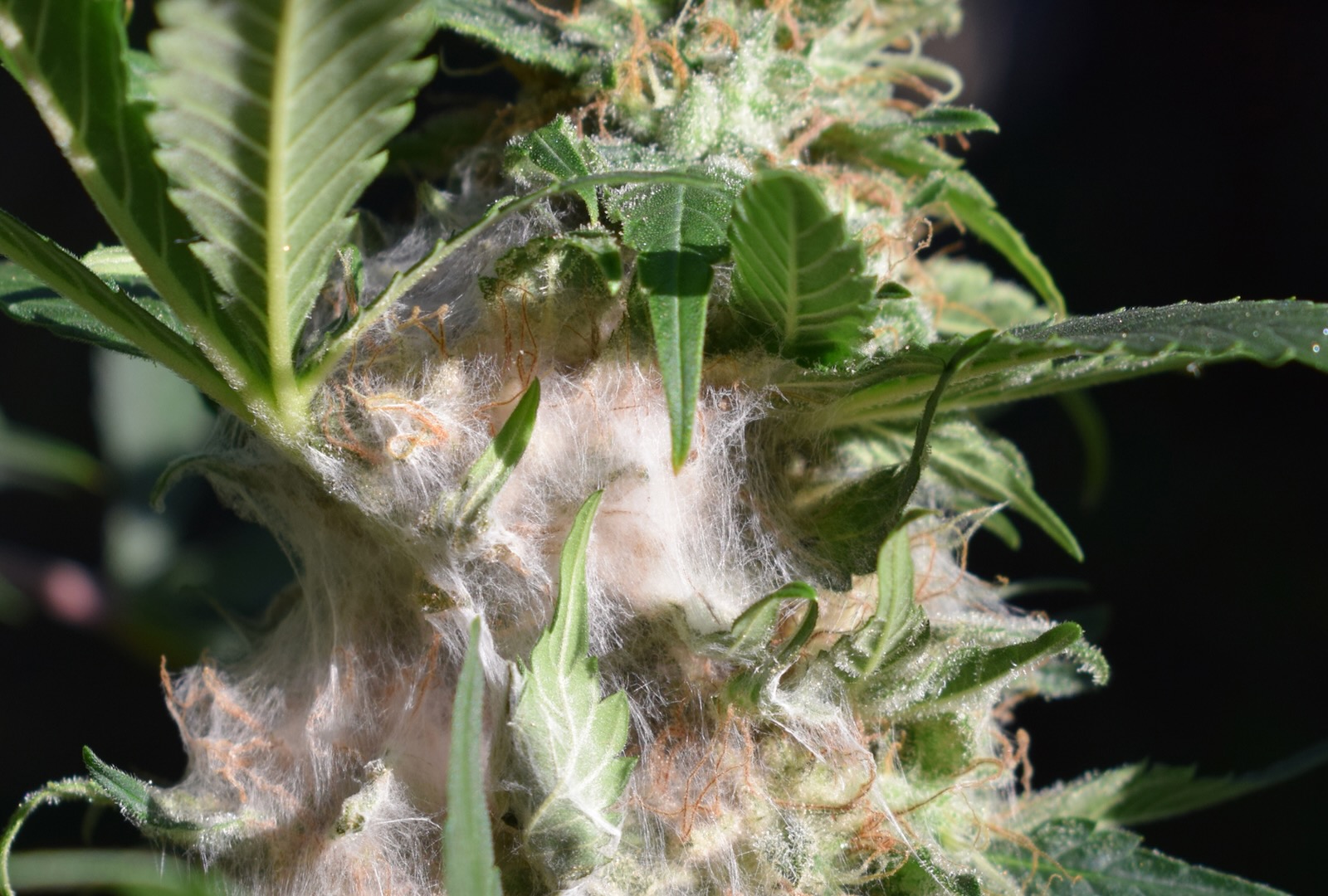
When flowers reach their maximum development, they absorb moisture like tiny sponges. Cool nights, morning dew, and dense bud structures extend drying time—exactly what Botrytis loves. The goal of late-season strategy is therefore clear: remove moisture from buds quickly without unnecessary stress to the plant.
📑 Inhaltsverzeichnis
- Why the Risk of Bud Rot Increases Right Now
- Canopy Management: Air Circulation Against Botrytis
- Late-Summer Hygiene: Reducing Mold Risk
- First Signs of Bud Rot: What to Do Now
- Plan Harvest and Drying During Wet Weather
- Variety Selection: Which Genetics Help Against Botrytis
- Frequently Asked Questions About Cannabis Bud Rot
- Conclusion: Prevent Bud Rot With the Right Strategy
- 💬 Fragen? Frag den Hanf-Buddy!
Canopy Management: Air Circulation Against Botrytis
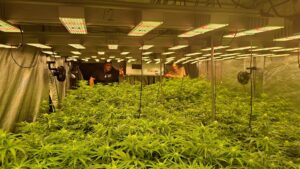
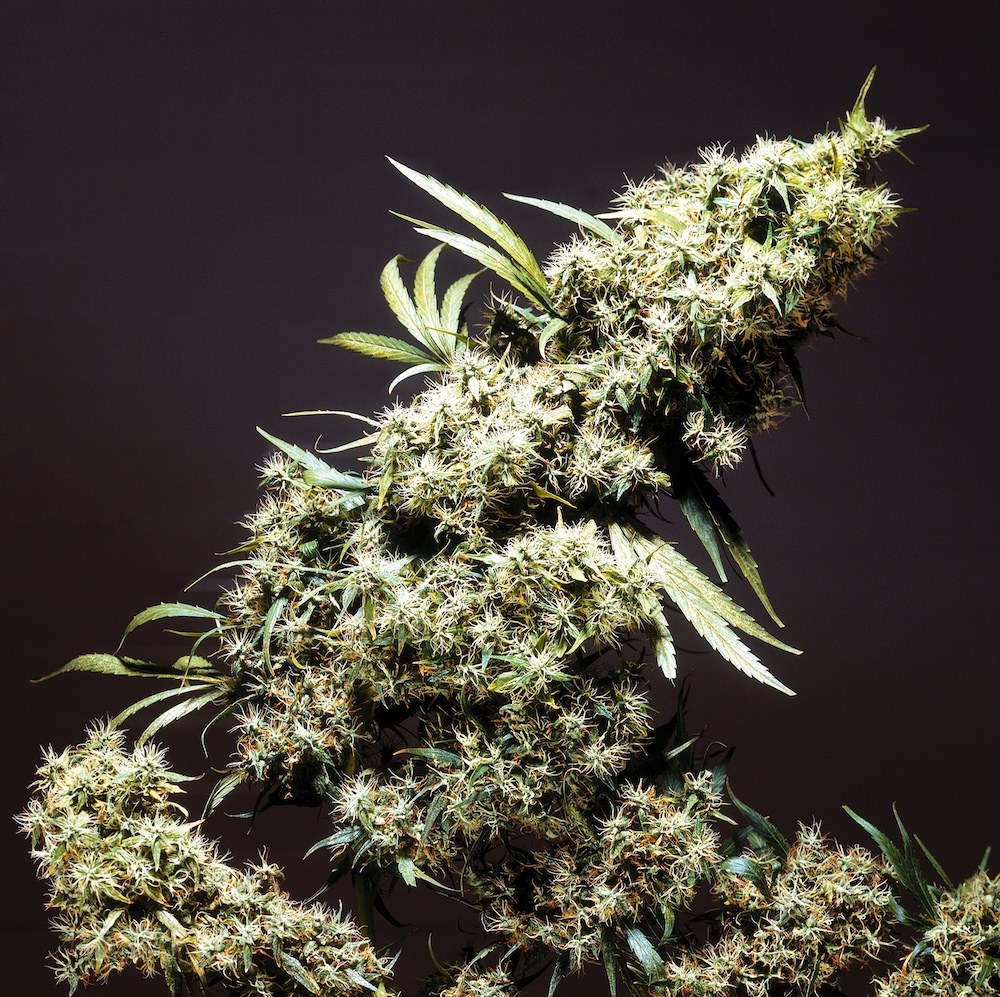
The best genetics are worthless if air stagnates within the flowers. Position plants so large colas don’t touch each other, and support or stake side branches. Selectively remove inner fan leaves that act like curtains—sparingly and purposefully, not as a pruning show. Water in the morning, since a moist root zone overnight extends the wet phase. Pots should sit on grates or wooden slats to allow air circulation from underneath. On a balcony, a small clip fan on low speed beneath the canopy often does the job, creating airflow without directly blasting the buds.
Late-Summer Hygiene: Reducing Mold Risk
Resin sticks—and so do Botrytis spores. Work in late season with gloves and clean pruning shears. Disinfect briefly between cuts (isopropyl or hot water with soap). Remove small, permanently shaded „popcorn“ buds early; they otherwise become moisture depots. Affected material belongs in sealed trash, not the compost bin.


First Signs of Bud Rot: What to Do Now
An early warning sign is sugar leaves that suddenly wilt in an otherwise healthy bud. Carefully opening the flower reveals brownish-gray, often cottony tissue. Act decisively: remove generously—cut 1–2 centimeters into healthy tissue—and clean your shears immediately. Then improve air circulation, delay the next watering, and strategically reduce inner foliage. Panic defoliation is counterproductive: it disrupts transpiration and creates new problems.
Plan Harvest and Drying During Wet Weather
Read the weather forecast strategically. Before forecasted rain, partial-harvest the top colas; lower buds follow once a high-pressure window arrives. During wet spells, simply removing large fan leaves is sufficient at first; detailed trimming happens after drying. Ideal conditions: 18–20 °C and 50–60% relative humidity. Air should circulate but not blow directly on the buds.
Variety Selection: Which Genetics Help Against Botrytis
Those who learn from this season make better choices in spring. Note which lines dried faster after rain and remained stable. Clean labeling from germination onward and a simple weather/plant journal turn a good season into an even better one.
However, if a particular variety or location proves especially susceptible, it’s worth switching to more resistant genetics for next season. Selection tips:
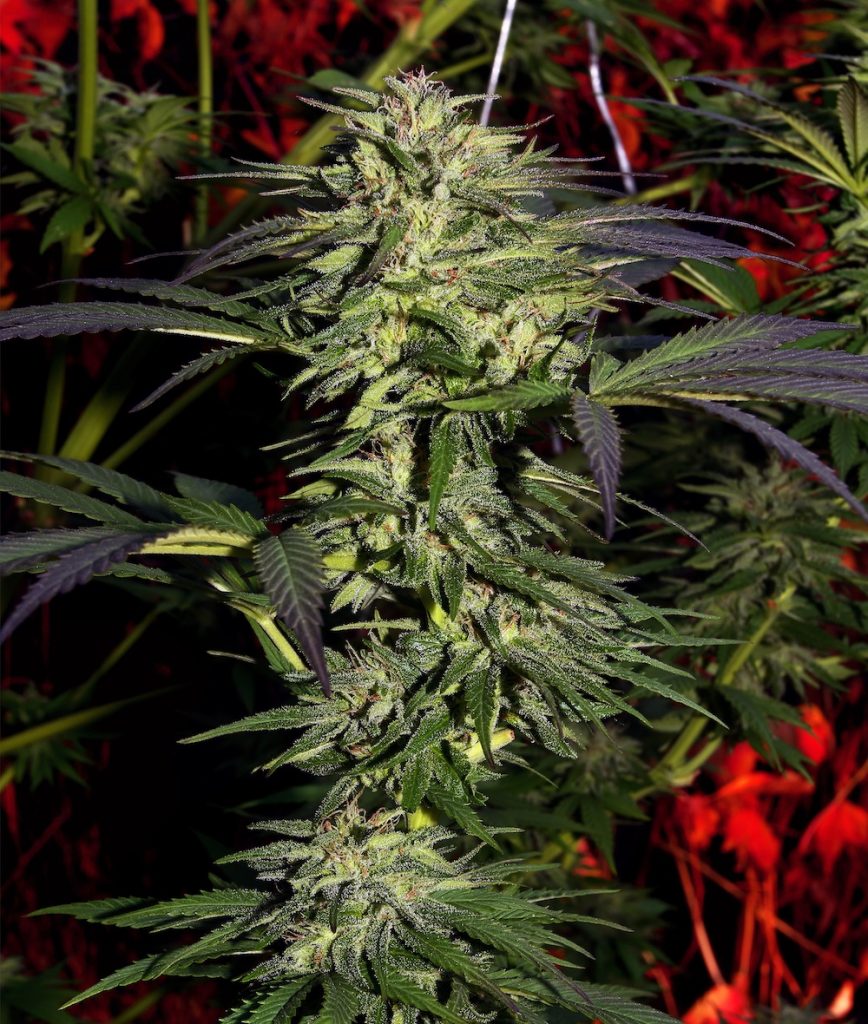
Open bud structure: Jamaican Pearl is a prime example—vigorous, spear-shaped flowers with excellent air circulation. Similarly „airy“ classics include Purple Haze and modern, less compact profiles like Tropical Butter Sauce.
For damp, cool weather: Durban and Mexican Sativa are proven companions when your location is dew-prone or nights cool significantly. They make it hard for Botrytis to gain a foothold.
Early-maturing/early-flowering lines: Early Skunk and Early Girl often finish the chapter before persistent rain arrives—ideal for northern zones or semi-shaded gardens.
Mold-resistant F1 hybrids (Sensi Supreme line): F1 vigor means uniform, rapid growth and thus predictable drying after rain. Those prioritizing reliability can shortlist a mold-resistant F1 from the Sensi Supreme range.
Autoflowering plants for an early start: Starting very early in spring with autoflowering seeds or even pre-grown autoflowering cannabis plants allows harvesting by high summer—well before damp and cool autumn weeks begin. This strategy ensures comfortable distance from the critical season and is especially practical for balcony and hobby growers.
In short: the right cannabis seeds are the cheapest insurance against bud rot—especially where autumn traditionally turns wet and cool.
Frequently Asked Questions About Cannabis Bud Rot
What is Cannabis Bud Rot (Botrytis)?
Bud rot is an infestation by the ascomycete fungus Botrytis cinerea, which primarily grows in dense, moisture-laden cannabis colas. It appears as gray-brownish, cottony mycelium inside the flower. The fungus converts flower tissue into spore mass and can destroy an almost harvest-ready plant within days—especially during damp, cool late summer and early fall. The disease ranks among the greatest risks in outdoor cultivation. A broader overview is available in our guide Recognizing and Controlling Cannabis Pests and Diseases.
How Do You Detect Bud Rot Early?
The first warning sign is individual sugar leaves that suddenly wilt or yellow in an otherwise healthy flower. Carefully opening the cola reveals gray, cottony tissue and a musty smell. For daily inspection, check in the morning for swelling after dew—especially for cannabis on the balcony and in dense outdoor stands.
Can You Still Smoke Cannabis With Bud Rot?
No. Affected material contains Botrytis spores and mycotoxins that burden the lungs when burned or vaporized and can trigger allergies and respiratory inflammation. Rule of thumb: generously cut 1–2 cm into healthy tissue, disinfect shears between cuts, dispose of affected material in sealed trash—never on compost.
Which Cannabis Varieties Are Resistant to Botrytis?
Varieties with open bud structure (e.g., Jamaican Pearl, Purple Haze, Durban, Mexican Sativa) dry faster after rain and give Botrytis fewer entry points. Early-maturing lines like Early Skunk or Early Girl dodge damp fall by finishing early. On a balcony, location choice also helps—practical tips are available in our Cannabis Cultivation on the Balcony Guide. When planning the season, pay attention to the right outdoor planting timing and mold-resistant genetics—ideally coordinated with your outdoor season placement strategy.
Conclusion: Prevent Bud Rot With the Right Strategy
Bud rot is not fate—it’s a consequence of bud structure and moisture duration. Those who align genetics, canopy management, and harvest planning toward „faster drying“ harvest more relaxedly this fall and in seasons to come. When selecting new cannabis seeds, check for open bud structure, early maturity, and mold resistance.
More Articles on This Topic
Hattest du schon einmal Probleme mit Blütenfäule beim Anbau?






Branchen-Update
News, Analysen und Reportagen — mehrmals im Monat direkt in dein Postfach.
Folge uns