A new study from research groups at the University of Colorado Boulder and University of Utah Health provides detailed data on why older adults are increasingly turning to cannabis instead of medications. The qualitative study was published in May 2026 in JAMA Network Open, the prestigious journal of the American Medical Association. The research team followed 169 people aged 60 and older over several months. The central finding is clear: participants are not seeking a high, but rather improved quality of life for pain, insomnia, and emotional distress.
📑 Inhaltsverzeichnis
169 Seniors in Colorado: What the JAMA Study Actually Shows
The study is titled „Edible Cannabis and Pain, Sleep, and Mental Health Management in Older Adults“ and was led by first author Rebecca Delaney from University of Utah Health in collaboration with senior author Angela Bryan from the University of Colorado Boulder. The work was funded by the National Institute on Aging of the U.S. National Institutes of Health. The study included 169 adults with an average age of 71 years who either had experience with cannabis edibles at the time of the study or were about to try them for the first time. Data collection ran from November 2021 to November 2023.
Methodologically, the researchers conducted extensive interviews and used a mobile study laboratory called the Cannavan. This research vehicle allowed standardized measurements of balance, heart rate, and cognitive performance before and after cannabis consumption directly in participants‘ home environments. In this way, the study combines subjective motivations with physiological data, setting it apart from earlier telephone surveys.


Sleep, Pain, and Mood: The Three Central Complaints
The most common reasons for use clearly fell into three categories. 57 percent of respondents cited sleep disorders as the primary motivation for cannabis use. 50 percent sought relief from chronic pain, often in combination with age-related conditions such as arthritis or back pain. 25 percent mentioned psychological distress such as anxiety, low mood, or grief following the loss of a partner. This distribution aligns with the three main indications regularly documented in self-medication with cannabis in German-speaking countries.
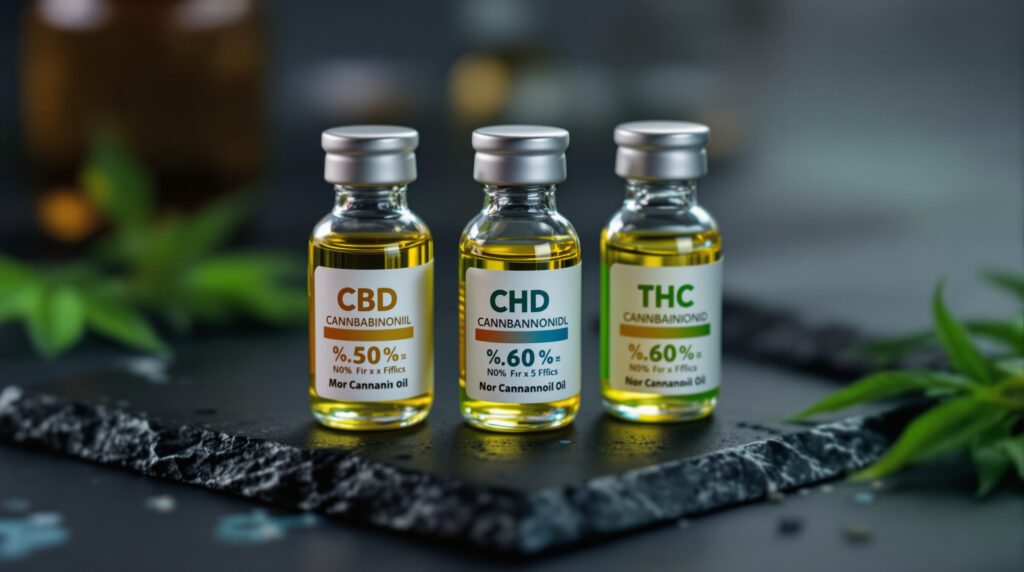
Regarding product preferences, a clear trend toward combined cannabinoid profiles emerged. 58 percent of participants preferred edibles with a mix of THC and CBD. 29 percent chose CBD-dominant varieties, while only 14 percent selected THC-dominant products. For the majority of this consumer group, the intoxicating cannabinoid is not the primary focus. Senior author Angela Bryan stated this in CU Boulder’s accompanying press release: „These people aren’t actually interested in getting high. They just want to feel better.“
Between Pills and Cannabis: The „Goldilocks“ Choice of Seniors

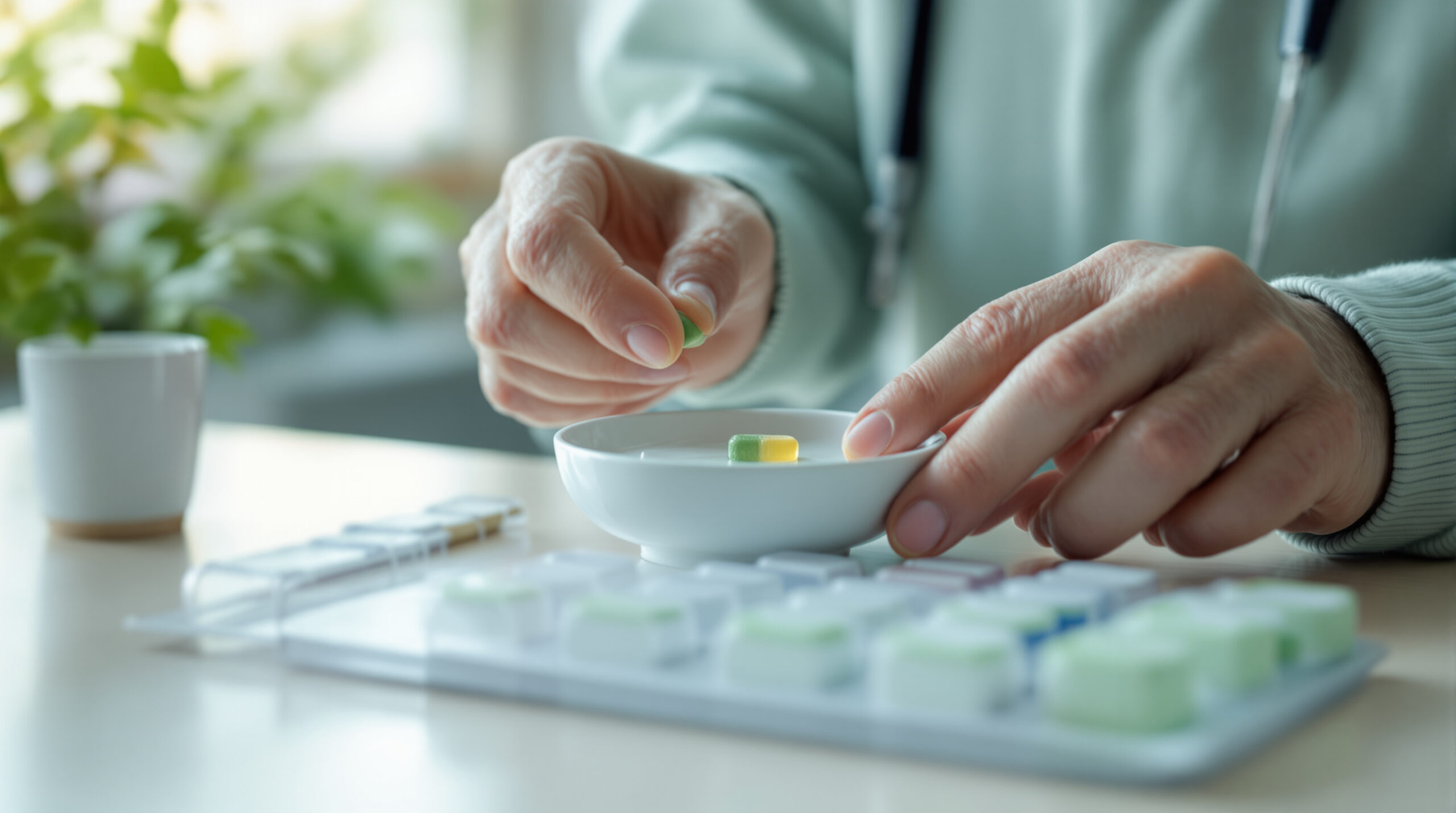
A central theme that repeatedly emerged in interviews was the desire to reduce the growing list of prescribed medications. Many respondents expressed concerns about side effects, long-term risks, or dependence, particularly with sleep aids, opioids, or benzodiazepines. Cannabis edibles were described as a gentler alternative or complement, especially when conventional therapies seemed exhausted. Neuroscience News aptly termed this attitude the „Goldilocks choice“: respondents are seeking a substance that neither overly sedates nor creates intoxication, but effectively addresses sleep and pain.
The German healthcare landscape shows a comparable pattern. An analysis presented in April 2026 involving 3,500 German cannabis patients demonstrated that many were able to reduce or completely discontinue their opioid doses. An earlier study from Canadian long-term care facilities, which we reported on, also documented a significant reduction in opioids, antidepressants, and antipsychotics. The JAMA study now complements this finding by adding the perspective of patients themselves, making clear that substitution is desired as a practical solution.
What the Data Means for German Patient Care
In Germany too, the population of older cannabis patients is growing. The import volume of medical cannabis in the first quarter of 2026 reached 50.5 tons, and the supply chain through pharmacies is well established. First author Delaney urged better medical supervision in a press discussion at the University of Utah. In everyday practice, there is often a lack of conversations in which active compounds, dosages, and risks are explained in age-appropriate terms. This is also an issue in Germany. Anyone over 65 years old taking multiple medications who also experiments with cannabis should discuss this openly with their physician, as interactions are possible with anticoagulants, antidepressants, or pain medications.
The sociopolitical message is also noteworthy. The study shows that growing cannabis acceptance is not driven by hedonistic consumer culture. Rather, healthcare motivations take center stage—concerns that are familiar in any general practice between Frankfurt, Vienna, and Bern. For the debate surrounding reimbursement of cannabis flower by German statutory health insurance, this study provides an important argument. When seniors substitute pharmaceuticals rather than add to them, the risk of geriatric polypharmacy—a central problem in modern geriatric medicine—decreases.
Frequently Asked Questions
Who conducted the JAMA study on cannabis in older adults?
The study was conducted by Rebecca Delaney from University of Utah Health as first author and Angela Bryan from University of Colorado Boulder as senior author. It was funded by the National Institute on Aging of the U.S. NIH and published in May 2026 in JAMA Network Open.
How many people were surveyed and how old were they?
The study examined 169 adults from the U.S. state of Colorado with an average age of 71 years. All participants were at least 60 years old and either already used cannabis edibles or were about to try them for the first time.
What are the most common reasons older adults use cannabis?
The most frequent motivations were sleep problems at 57 percent, chronic pain at 50 percent, and psychological distress such as anxiety or low mood at 25 percent. Most respondents were actively seeking an alternative to conventional medications rather than a psychoactive substance.
Which cannabis products do seniors prefer?
58 percent of respondents prefer combined products with THC and CBD, 29 percent prefer CBD-dominant edibles. Only 14 percent choose THC-dominant varieties. This preference indicates a targeted therapeutic use pattern rather than motivation for intoxication.
What does the study mean for patients in Germany?
In Germany too, an increasing number of older patients are using cannabis as a supplement or alternative to sleep aids and pain medications. The study supports the argument that medically supervised cannabis therapy can help reduce the number of conventional medications and thus the risk of geriatric polypharmacy. Anyone taking multiple medications should always discuss cannabis use with their treating physician.
Sources: JAMA Network Open (Delaney/Bryan, „Edible Cannabis and Pain, Sleep, and Mental Health Management in Older Adults“, May 2026); University of Colorado Boulder Today (07.05.2026); University of Utah Health Newsroom (05.2026); Marijuana Moment (08.05.2026).
Further Articles on This Topic
- Medical Cannabis: 25 Percent THC – Why Doctors Prescribe Doses That Are Too High
- CBC and CBG Amplify Silver 64-Fold: Study Shows Cannabinoids Against Hospital Pathogens
- End of Flower on Insurance Prescription? Finance Commission Calls for End to Statutory Health Insurance Coverage
Hast du Cannabis schon einmal gegen Schmerzen oder Schlafprobleme genutzt?






Branchen-Update
News, Analysen und Reportagen — mehrmals im Monat direkt in dein Postfach.
Folge uns