Automated Light Control as Foundation
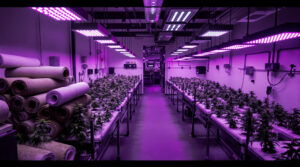
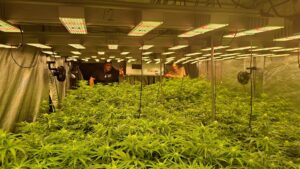
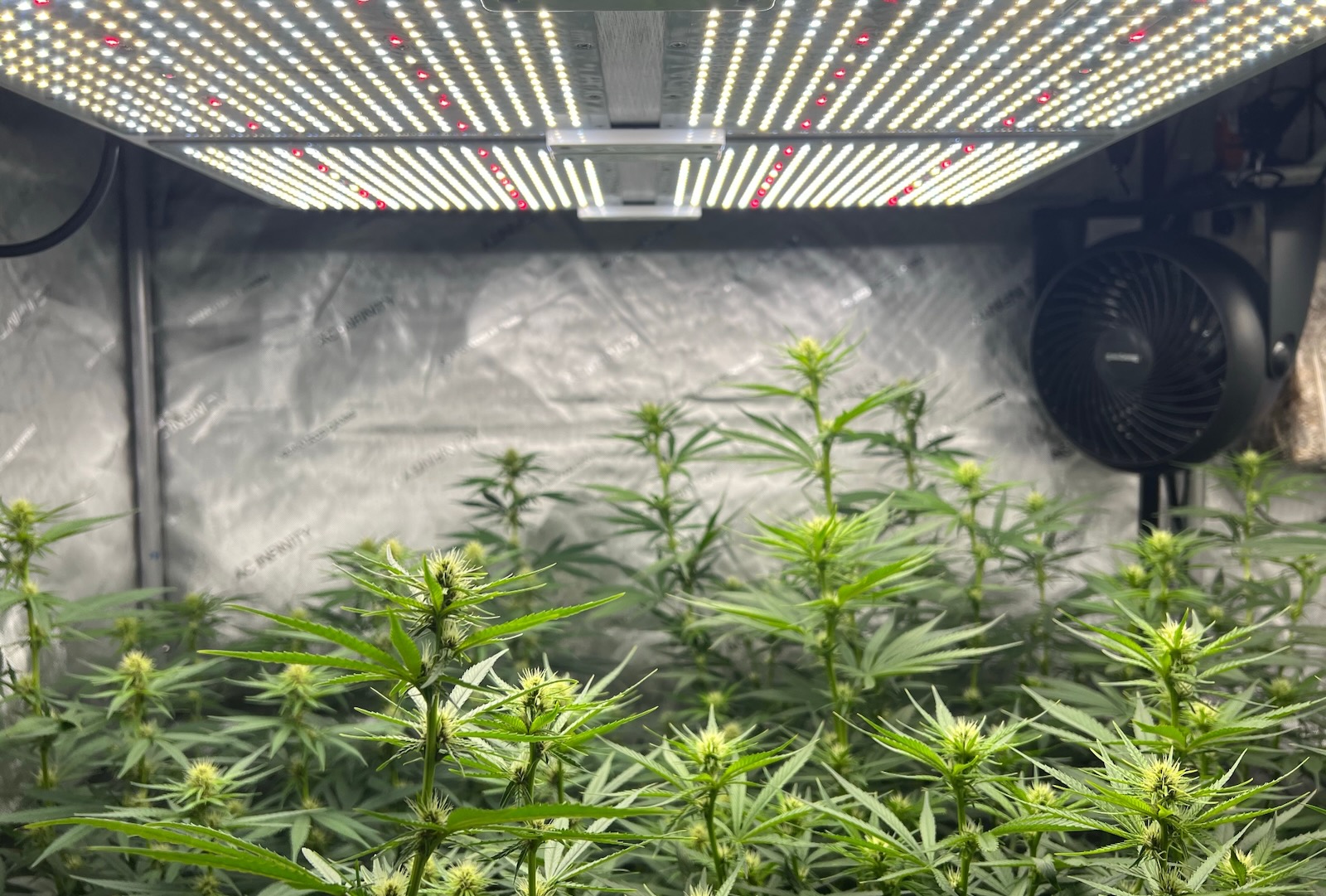
The heart of any indoor growing operation remains lighting. With the introduction of LED technology and networked control systems, growers can now precisely adjust light intensity, spectrum, and photoperiod to match each growth stage. Modern smart home systems enable programmable lighting schedules via apps, real-time responses to daylight changes, and dynamic spectrum shifting.
📑 Inhaltsverzeichnis
- Automated Light Control as Foundation
- Intelligent Irrigation and Nutrient Delivery
- Climate Automation: Temperature, Humidity, and CO₂
- Security Through Smart Monitoring
- Data Analysis and Artificial Intelligence
- Sustainability Through Efficiency
- Smart Home Technologies and Their Limitations
- Connected Farms and Blockchain
- Smart Technology as the Key to the Future
- 💬 Fragen? Frag den Hanf-Buddy!
Some systems even integrate sensors that analyze the current state of plants and adjust light delivery in real-time. This not only optimizes photosynthesis but also significantly reduces energy consumption—a critical factor in an era of rising electricity costs.
Intelligent Irrigation and Nutrient Delivery
While manual watering with cans or hoses was the standard for decades, the situation has fundamentally changed. Smart pump and drip irrigation systems can now control water flow and dose nutrient solutions at precise concentrations.


By connecting to sensors that measure substrate moisture and pH levels, plant nutrition becomes automated and optimized. This prevents both overfeeding and underfeeding. Particularly valuable is the ability to monitor irrigation cycles remotely via app and adjust them immediately when needed—a major advantage for professional growers and medical cultivation projects.
Climate Automation: Temperature, Humidity, and CO₂
The perfect climate is crucial to harvest quality and yield. Smart home technologies enable precise control of temperature, humidity, and CO₂ levels in grow rooms. Sensors continuously measure relevant parameters and transmit data to a central control unit.
Automated ventilation systems, air conditioning, and heating equipment respond in real-time. This creates a consistent microclimate that perfectly matches the plant’s natural needs. Combined with intelligent CO₂ systems, flowering phase growth is maximized. By integrating into a smart home system, growers can access climate data anytime via smartphone or tablet, analyze trends, and make adjustments remotely.
Security Through Smart Monitoring
Beyond yield and quality, security plays an increasingly important role. Modern smart home solutions integrate surveillance cameras, motion detectors, and alarm systems directly connected to smartphones. This reduces risks of theft or unauthorized access.
Smoke and water detectors can also be integrated into these systems, enabling early detection of fire or flooding damage. For commercial cultivation operations, this means enhanced security; for home growers, additional peace of mind.
Data Analysis and Artificial Intelligence
Another advantage of smart home technology lies in systematic data collection. Temperature trends, humidity levels, nutrient consumption, and light cycles are logged and ready for analysis. Using algorithms and artificial intelligence, actionable recommendations can be derived to continuously improve cultivation.
This creates a feedback loop: sensors provide data, smart systems control equipment, AI models optimize processes, and growers benefit from precise information for future cultivation cycles.
Sustainability Through Efficiency
Beyond efficiency and yield, sustainability is central to modern growing. Smart systems help deploy resources—water, fertilizer, and energy—more strategically. Variable LED controls save electricity, automated irrigation reduces water use, and precise climate management minimizes environmental impact.
This aligns with the global trend toward more resource-efficient agriculture. For hemp cultivation, which has historically faced criticism for energy consumption, smart home solutions offer an opportunity for ecological repositioning.
Smart Home Technologies and Their Limitations
Despite their advantages, integrating smart home technology is not without challenges. Acquisition costs can be substantial, especially when using high-quality sensors and control units. Additionally, operating these systems requires a certain level of technical understanding.
Dependence on internet connectivity and power supply also poses risks. If technology fails, plants can suffer damage within hours. For this reason, many growers opt for hybrid systems that combine smart automation with manual emergency controls.
Connected Farms and Blockchain
The future of smart hemp cultivation could extend even further. Companies are already working on connecting entire indoor farms for fully automated operation. Using blockchain technology, every growth phase could be transparently documented—a major advantage for traceability and quality control, especially in the medical sector.
Additionally, AI systems are expected to increasingly cater to the individual needs of each plant. This would allow cultivation processes to be personalized and optimized in real-time.
Smart Technology as the Key to the Future
The integration of smart home technology into hemp cultivation represents a crucial step toward efficiency, security, and sustainability. Automated lighting, intelligent irrigation, precise climate control, and comprehensive data analysis create an environment where plants can reach their full potential.
While entry barriers remain high, smart technology will prevail long-term—not only among professional producers but also among home growers. The connection between nature and digital innovation promises nothing less than a new era of cultivation.





Nutzt du bereits Smart-Home-Technologie für deinen Hanfanbau?
Branchen-Update
News, Analysen und Reportagen — mehrmals im Monat direkt in dein Postfach.
Folge uns