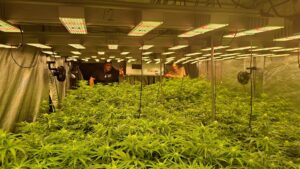
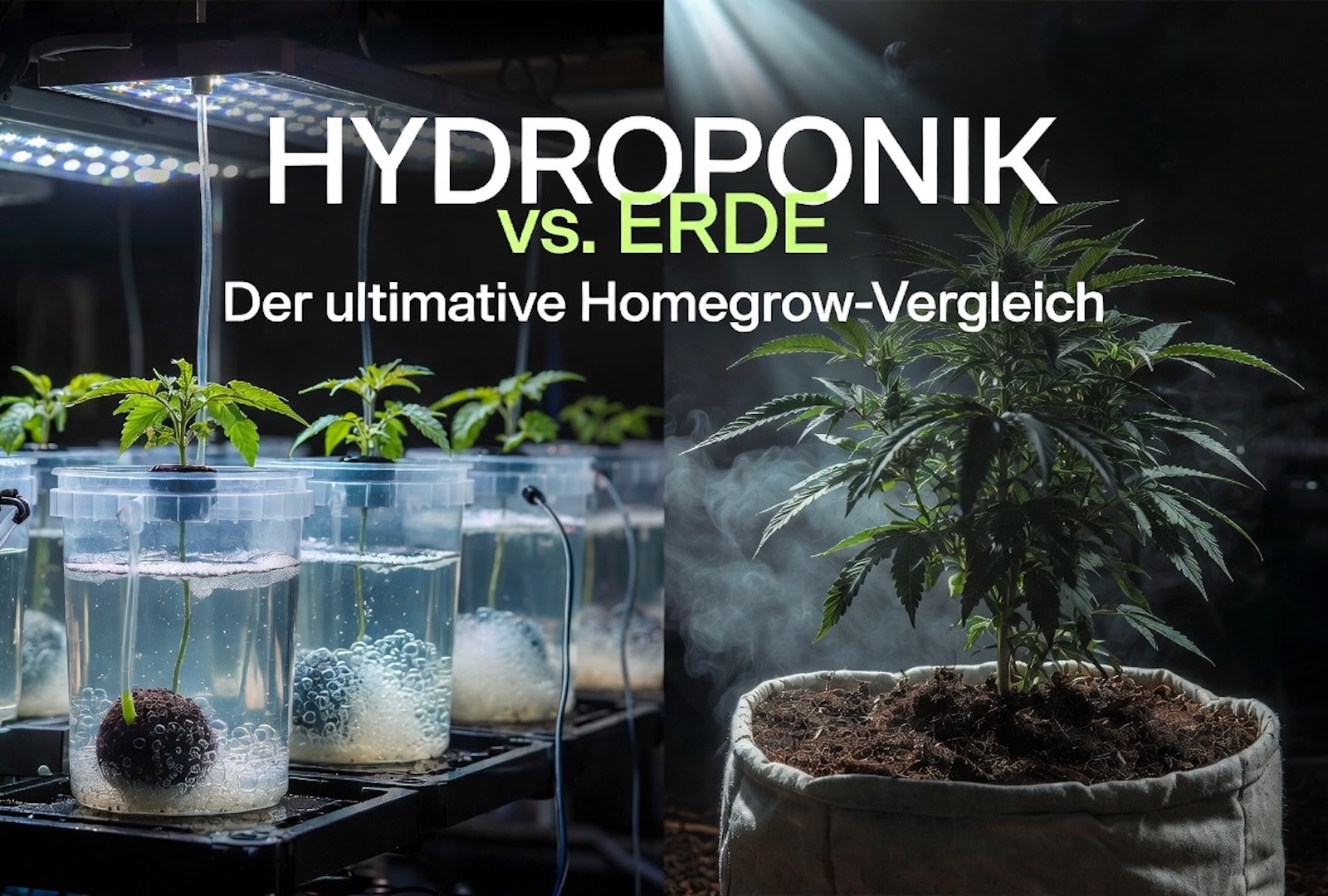
The decision for the right growing medium is one of the most important questions every home gardener must ask before getting started. The community often splits into two camps: On one side stand the traditionalists who swear by the natural power of soil. On the other side are the tech enthusiasts who want to optimize every drop of nutrient solution with hydroponic systems.
📑 Inhaltsverzeichnis
Both methods have their place, but they bring completely different requirements for the grower. To find out which system is better suited for your own home grow, we need to examine the pros and cons of both worlds in detail.
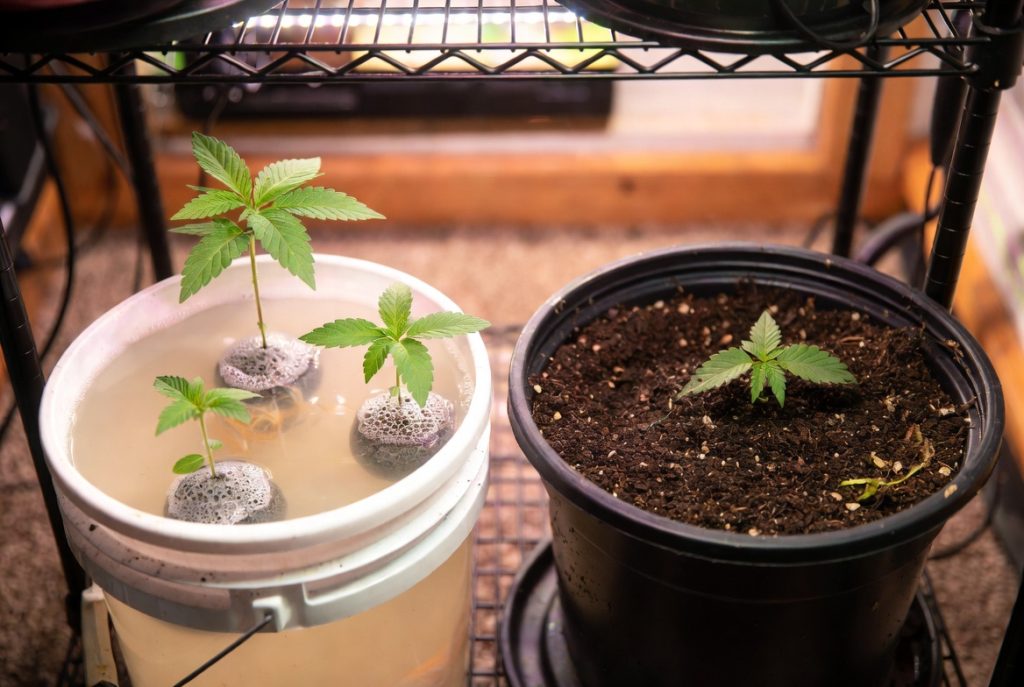
The Proven Classic: Growing in Soil
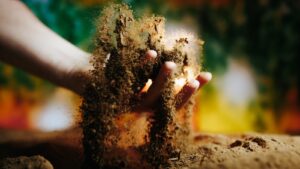
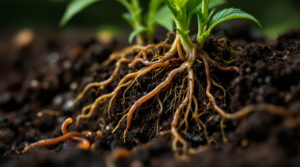
Growing in potting soil is the most natural form of cultivation and the path most beginners choose. Soil is forgiving. It acts as a natural buffer for pH values and nutrient concentration. If you accidentally mix too much fertilizer into the watering solution, the soil life intercepts a large portion before the roots are damaged.


Another huge advantage is the complex microbiome in the soil. High-quality organic soils contain fungi, bacteria, and microorganisms that form a symbiosis with plant roots. These microorganisms break down organic fertilizers and make them available to the plant. Anyone who values purely organic cultivation can hardly avoid soil.
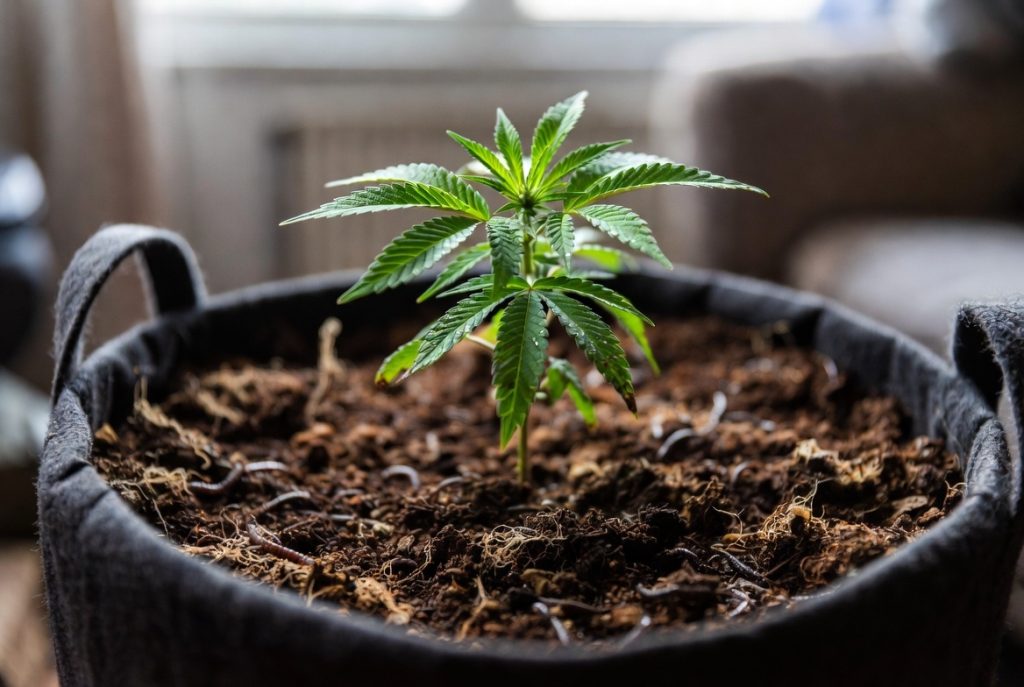
However, growing in soil also brings disadvantages. Pests like fungus gnats, thrips, or spider mites are often introduced with low-quality soil from hardware stores. Additionally, watering soil is an art in itself. Too much water quickly leads to waterlogging, which cuts roots off from oxygen and can lead to root rot. Weight and mess factors also play a role, especially if you live on the fifth floor without an elevator and have to dispose of dozens of liters of old soil after each cycle.
The High-Tech Solution: Hydroponics in Home Growing
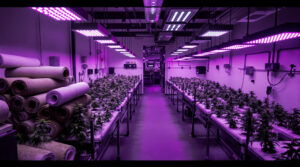
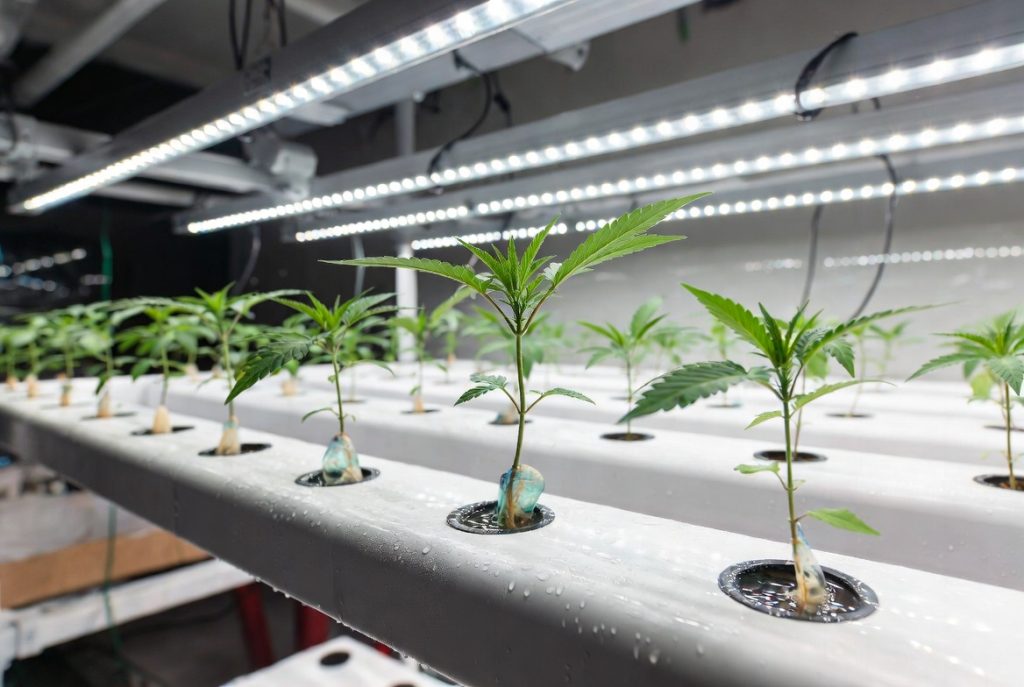
Hydroponics refers to growing plants in a water-based, nutrient-rich system, completely without using traditional potting soil. The roots either hang directly in the nutrient solution, as in Deep Water Culture, or grow in an inert substrate like expanded clay, rockwool, or coconut fibers that is regularly flooded with nutrient solution.
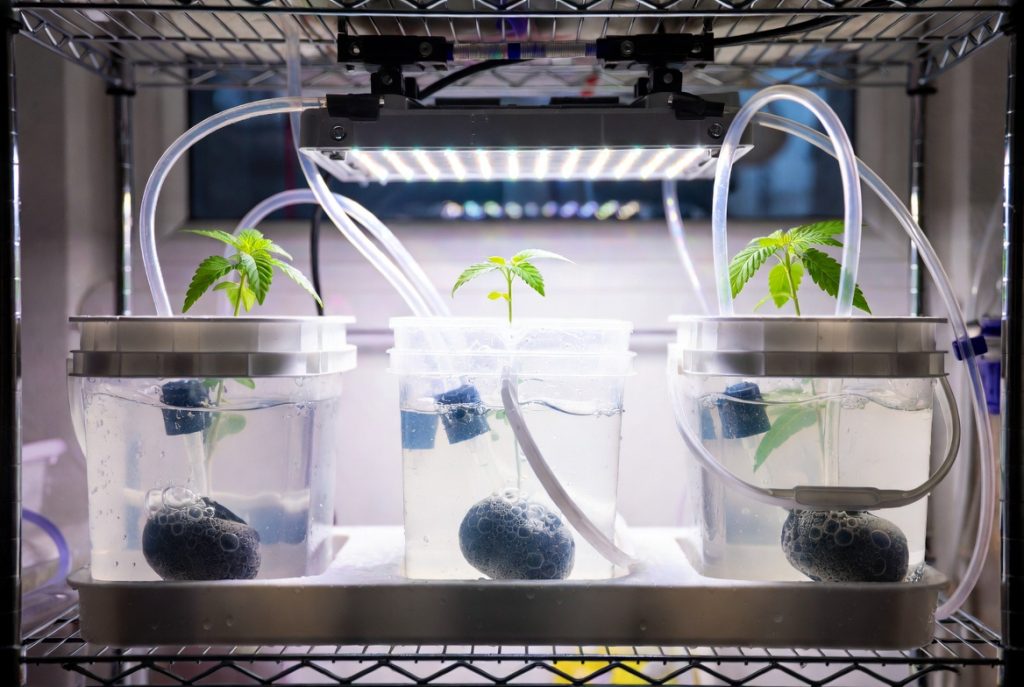
The biggest advantage of hydroponics is absolute control. The grower controls exactly which nutrients the plant receives and in what concentration. Since roots don’t have to grow through dense soil to reach food and water, they can put all their energy into growing the above-ground plant parts. Additionally, oxygen supply to roots in hydroponic systems is many times higher.
The price for this control, however, is significantly increased monitoring effort. Hydroponic systems don’t forgive mistakes. An incorrect pH value or too high a dose of mineral fertilizer immediately affects the plants and can cause irreparable damage within hours. Technical failures, like a defective water pump or ventilation failure, often mean a quick end for the entire home grow.
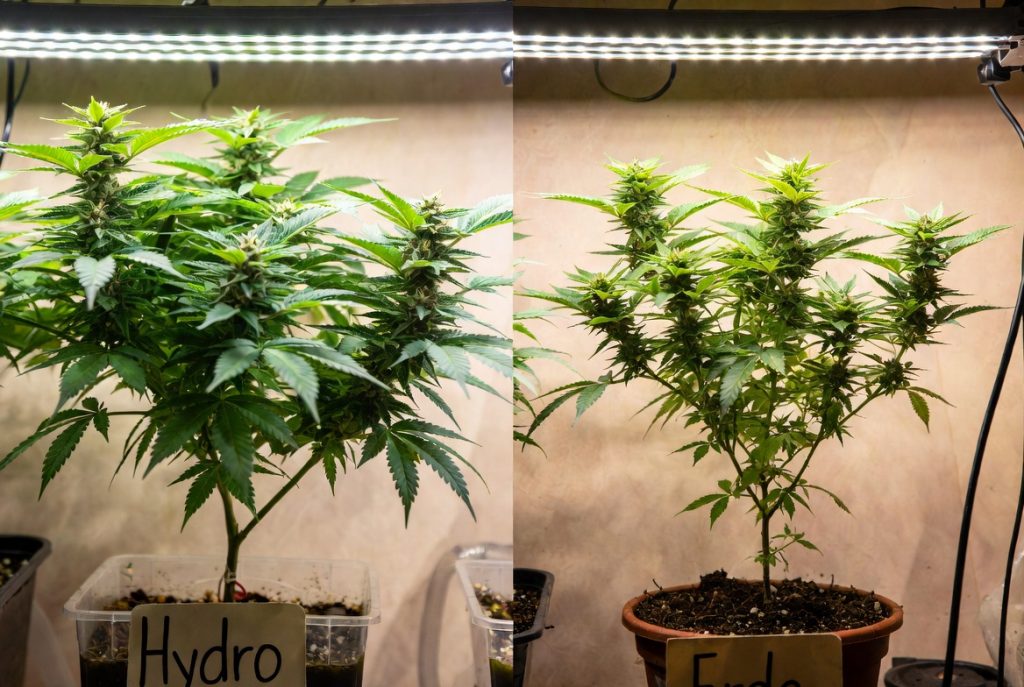
Growth Speed and Yield
When it comes to pure growth speed, hydroponics is the undisputed winner. Plants in hydroponic systems often grow up to thirty percent faster during the vegetative phase than their counterparts in soil. This significantly shortens the total time to harvest.
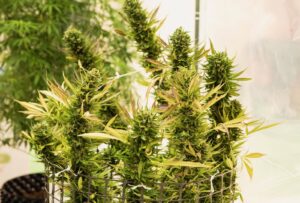
Hydroponics also usually comes out ahead in yield. Through optimal and constant availability of nutrients and oxygen, plants can develop massive flower clusters. Anyone wanting to get the absolute maximum weight from the smallest space will sooner or later end up with a hydroponic system. Soil, on the other hand, delivers somewhat slower but very steady growth that’s often less susceptible to sudden deficiency symptoms.
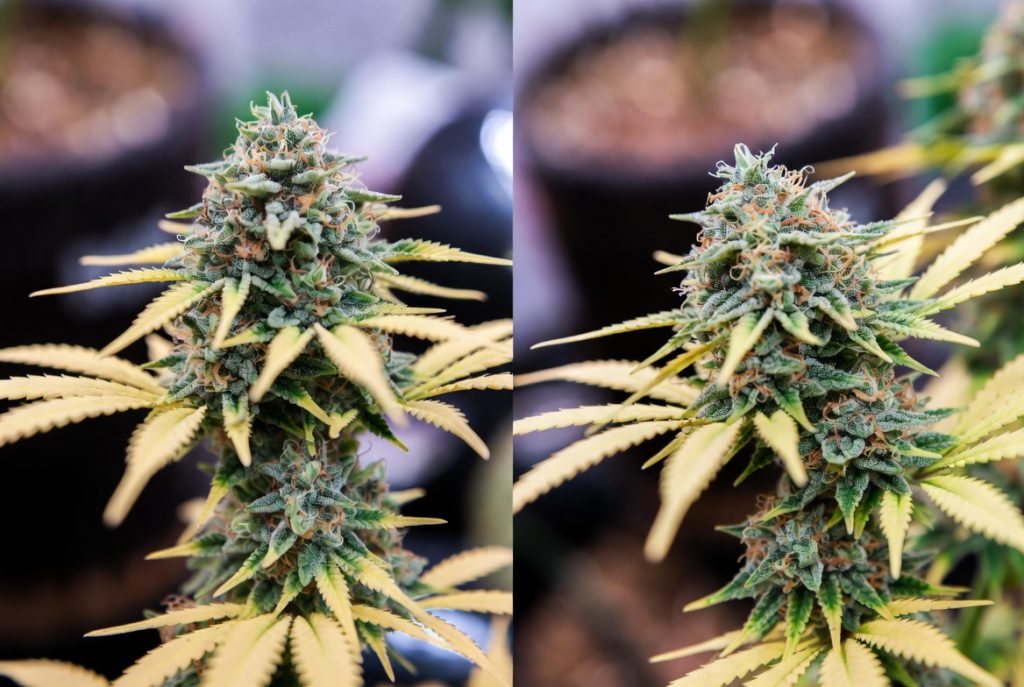
The Eternal Debate: Taste and Terpene Profile
This is where the community’s opinions differ most strongly. Many experienced growers swear that organically grown soil plants develop a much more complex and intense terpene profile. The argument is that through interaction with soil life and slight natural stress, the plant produces more essential oils and aromatic compounds. The end product is said to taste rounder and more natural.
Hydroponically grown buds are often extremely resinous and large, but critics sometimes describe them as somewhat flatter in taste. Hydroponic advocates counter that through precise flushing at the end of flowering and precise control of stress factors like water temperature, you can also achieve outstanding, clean, and intensely flavored results. Ultimately, taste depends more on genetics and subsequent drying than on the pure growing medium.
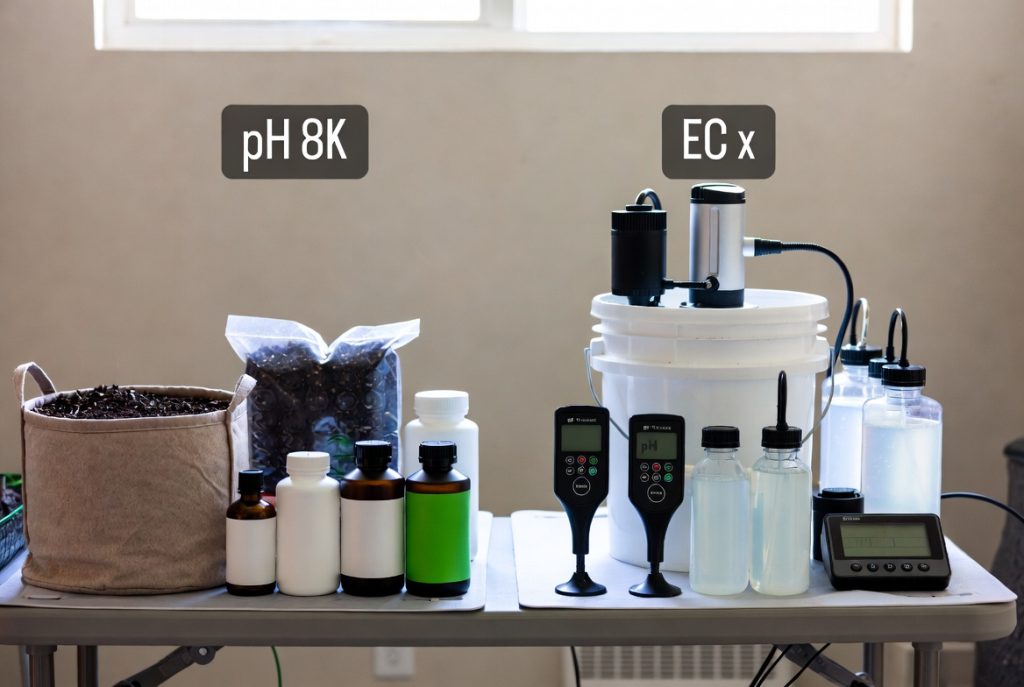
Equipment and Ongoing Costs
Starting with soil is incredibly affordable. A few pots, a bag of good potting soil, and basic fertilizer supplies are sufficient. The barrier for beginners is very low here. However, costs add up over time since you need to buy fresh soil and dispose of old soil for each new cycle.
Hydroponics requires much higher startup capital. You need water pumps, air stones, special inert substrates, water tanks, and most importantly, high-quality measuring devices for pH and electrical conductivity of the nutrient solution. Without these measuring devices, hydroponics is pure guesswork. In the long run, however, hydroponics can be cheaper. Substrates like expanded clay can be washed and reused, and water and fertilizer consumption is often more efficient through closed-loop systems than growing in soil.
Which Method Suits You?
There’s no one perfect system, only the system that best fits your lifestyle and experience.
Anyone new to home growing, with little time for daily measurements, and who values a natural, organic end product should definitely start with soil. The buffering effect of soil protects against typical beginner mistakes and technical requirements are minimal.
Anyone who is a tech-savvy perfectionist who enjoys measuring, regulating, and optimizing will find true joy with hydroponics. The reward for daily effort and higher acquisition costs is explosive plant growth, a clean working environment without annoying fungus gnats, and usually a significantly higher yield in the end.
Welches System nutzt du für deinen Homegrow?
Ultimately, both methods lead to the goal. What’s important is to intensively study your chosen method and learn to read the plants‘ needs.





Branchen-Update
News, Analysen und Reportagen — mehrmals im Monat direkt in dein Postfach.
Folge uns