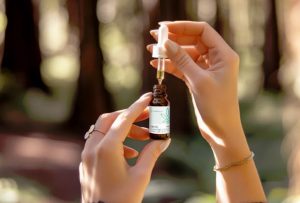
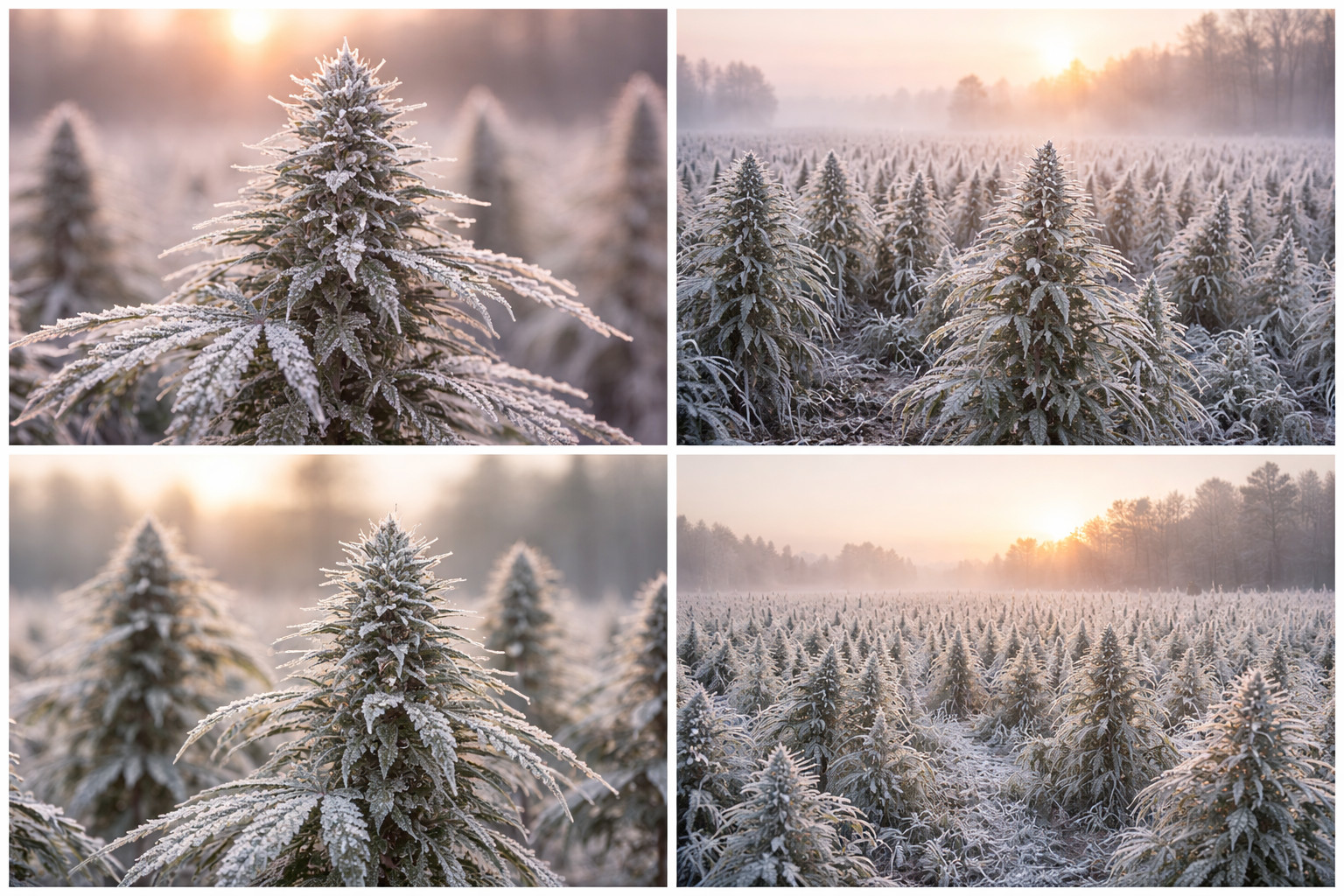
When cold sets in, days grow shorter, and the year comes to rest, our perspective on things shifts. Christmas is more than a date on the calendar. It is a time of pause, reflection, and quiet questions: What sustains us? What endures? What has permanence? In this tension, hemp appears foreign at first glance—yet reveals itself upon closer inspection as remarkably familiar.
📑 Inhaltsverzeichnis
For the hemp plant has been connected for centuries to precisely those fundamental needs that become tangible again during the Christmas season: warmth, light, provision, and the search for a new beginning.
Hemp as a Silent Winter Companion
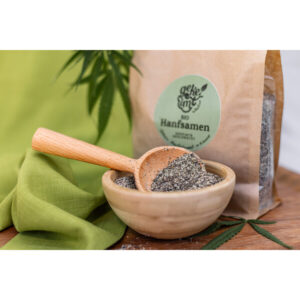
In pre-industrial society, hemp was not a marginal phenomenon but an integral part of everyday life. Especially in winter, it played a central role. Its fibers provided robust fabrics for clothing, sacks, and blankets; its seeds served as nutritious supplies; its oil functioned as fuel for lamps and candles. Hemp was storable, versatile, and reliable—qualities that were vital for survival in an era without global supply chains.


Christmas back then was not a festival of abundance but one of provisions. People lived from what the year had yielded. Hemp belonged to these silent securities. It warmed, nourished, and illuminated—often without special mention, but with profound effect.
Light as a Central Motif
Few symbols define Christmas as powerfully as light. In a dark season, it stood for hope, orientation, and community. Before electric light became commonplace, plant oils held existential importance. Hemp oil burned steadily, was regionally available, and comparatively clean. It illuminated rooms where people worked, prayed, and celebrated.
This connection between hemp and light carries quiet symbolic power even today. In an age of constant sensory overload, Christmas stands for reduction and clarity. Hemp embodies similar values: simplicity over complexity, cycles over waste, proximity to nature over abstract systems. Both meet in the longing for a life that becomes more comprehensible again.
Sustainability Beyond Trends
Christmas is increasingly being questioned. The desire for meaning is growing—as is the need to make the celebration more sustainable. This is precisely where hemp connects almost seamlessly with old traditions. Hemp paper replaces wood-based products, hemp fibers find their way into textiles, decorations, or packaging, hemp seeds and oil enrich winter kitchens and baked goods.
Yet this is not about sacrifice but about conscious decisions. Hemp represents a form of sustainability that doesn’t moralize but simply works. Materials that are durable. Products that aren’t discarded after one season. An understanding of Christmas that places less emphasis on consumption and more on meaning.
Hemp as a Symbol of New Beginnings
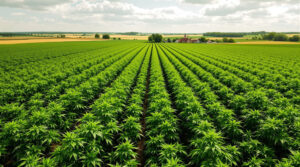
Christmas marks the end of one year—and simultaneously the beginning of something new. This dual movement also shapes the history of the hemp plant. After decades of stigmatization, it is experiencing a slow but profound reassessment. In agriculture, research, and industry, hemp is being seen again for what it long was: a versatile, resilient, and future-oriented crop.
This parallel is more than coincidental. Hemp stands for the ability to rethink the old without denying it. For progress built on experience. And for the recognition that sustainable solutions often don’t need to be invented—they need to be rediscovered.
A Quiet Presence
The connection between hemp and Christmas is not a loud message. It doesn’t impose itself; it operates in the background. Perhaps that is precisely its strength. Hemp is no symbol of glamour or spectacle, but of durability. For things that sustain us without taking center stage.
In a time when many people search for direction, the hemp plant tells a quiet story of provision, responsibility, and connection to natural cycles. Perhaps for that very reason, it is an fitting companion for the Christmas season—not as a trend, but as a reminder that the future often emerges from a conscious engagement with the past.



Branchen-Update
News, Analysen und Reportagen — mehrmals im Monat direkt in dein Postfach.
Folge uns