Grow Tent or Grow Box: What’s the Real Difference?
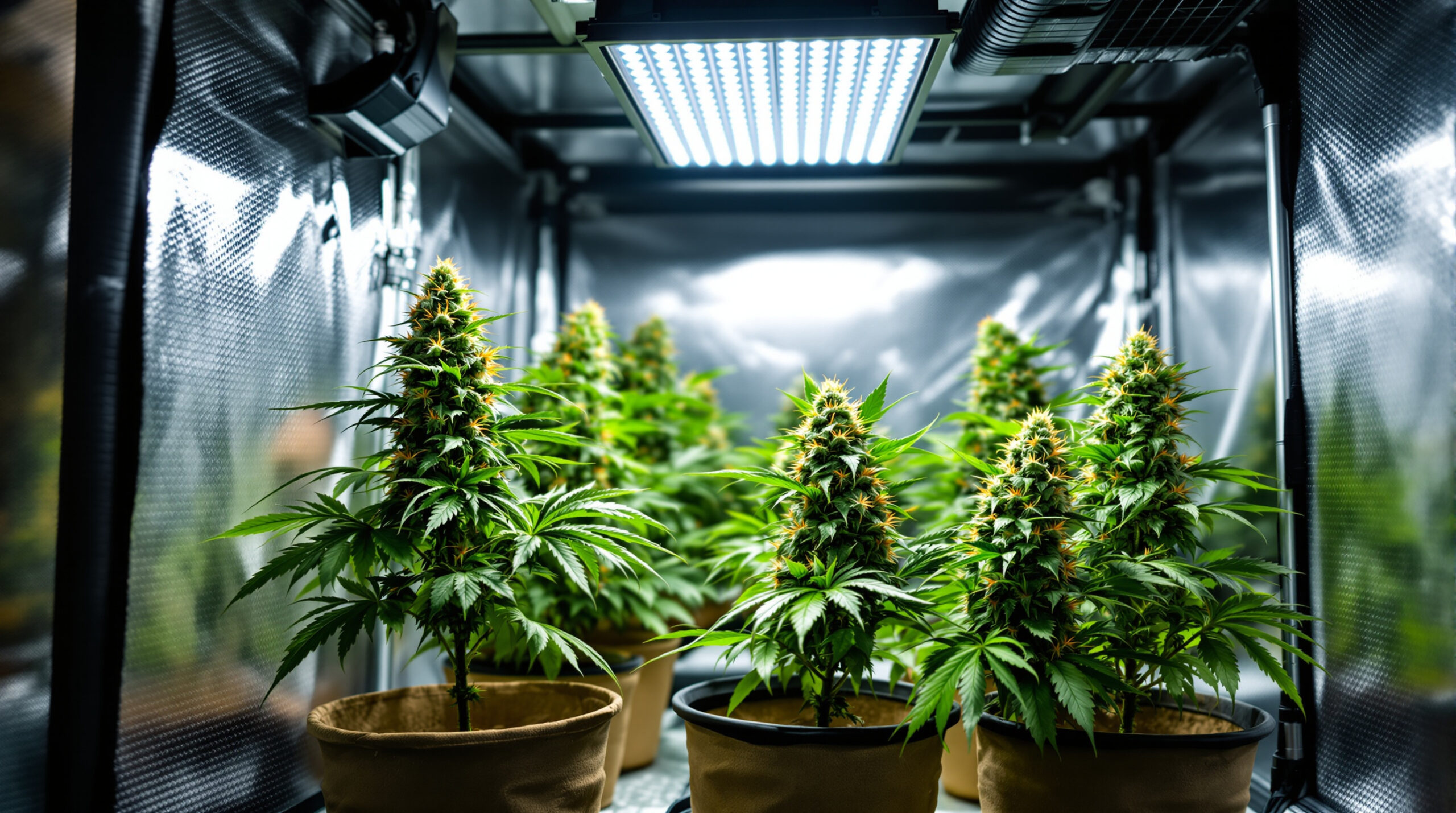
Anyone considering indoor cultivation quickly encounters two terms: grow tent and grow box. In everyday conversation, they’re used almost interchangeably, and that’s exactly what creates confusion. Usually, a grow tent refers to the classic construction made of fabric shell, metal frame, and reflective interior coating. The term grow box often serves as an umbrella term for any enclosed cultivation unit, but is also used for solid cabinets or complete kits with pre-installed technology. If you want to make the right choice, worry less about the terminology and focus more on what actually stands inside those four walls.
📑 Inhaltsverzeichnis
This article clarifies the terms, highlights the decisive differences, and explains which size and equipment truly matter for your project. Since legalization, adults in many jurisdictions can legally grow up to three plants at home, and this number significantly changes the calculation when purchasing equipment.
Grow Tent or Grow Box: Where Do They Differ?
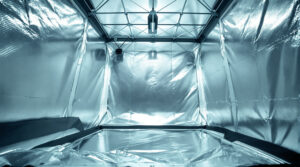
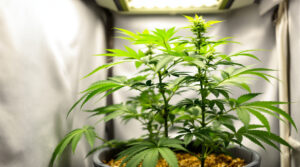
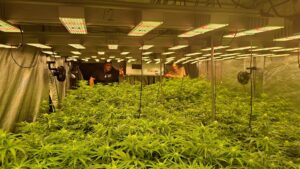
A grow tent consists of a metal frame covered with a light-tight fabric shell. Inside, a reflective coating ensures minimal light loss. The major advantage lies in standardization. Common formats like 60×60, 80×80, 100×100, or 120×120 centimeters are so widespread that LED lamps, carbon filters, and fan kits work together without modification. If you’ve never built an indoor project before, a tent is usually the safer choice in most cases.


A solid grow box—essentially a fixed cabinet—shines primarily in living spaces. It looks more organized, integrates better visually with your décor, and significantly dampens exhaust fan noise compared to a thin fabric wall. However, it’s heavier, more expensive, and less flexible. A tent can be disassembled and stored in half an hour; a cabinet stays put. This is where the real decision lies: flexibility and price on one side, discretion and quiet operation on the other.
For the vast majority of hobby growers, the grow tent is the pragmatic answer. It’s cheaper, and you can invest the savings in quality LED lighting, proper air extraction, and solid genetics. These three factors determine your harvest far more than whether the outer shell is fabric or coated particleboard.
What Size Do You Need for How Many Plants?
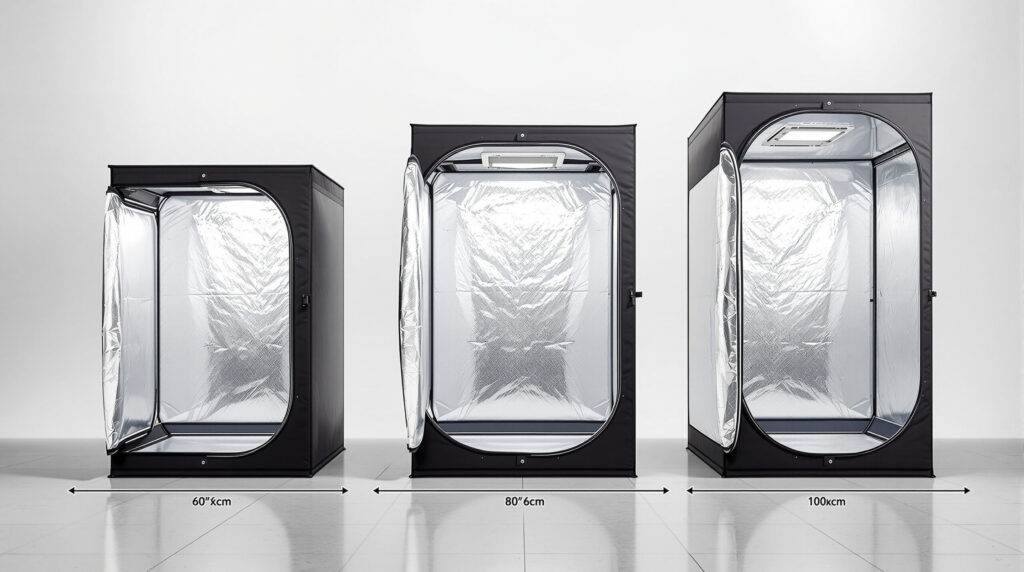
A grow tent’s size is defined by its floor area, with height as a third dimension. A 60×60 centimeter tent is the compact entry-level option. You can cleanly manage one to two plants here; anything more gets tight quickly due to limited light and space. An 80×80 centimeter tent provides room for approximately three to four plants and closely matches the legal limit for private home cultivation.
Larger formats like 100×100 or 120×120 centimeters target serious yields and multiple plants simultaneously. Technically, a 120-centimeter tent fits far more plants, but for legal home cultivation, the three-plant limit is the decisive framework. If you stick to this limit, an 80×80 or 100×100 tent serves you well. This provides adequate spacing for plant training and allows room for corrections without plants shading each other.
Pay attention to height. Between the lamp, necessary safety distance, and final plant height, surprising amounts of space disappear. A tent with approximately two meters of height provides the necessary reserve, especially for vigorous-growing varieties. If you lack space, opt for more compact genetics or train plants early for horizontal growth. Quality growing medium also plays a role in root development; we’ve detailed which soil cannabis truly needs.
Equipment: What Really Counts in a Grow Tent
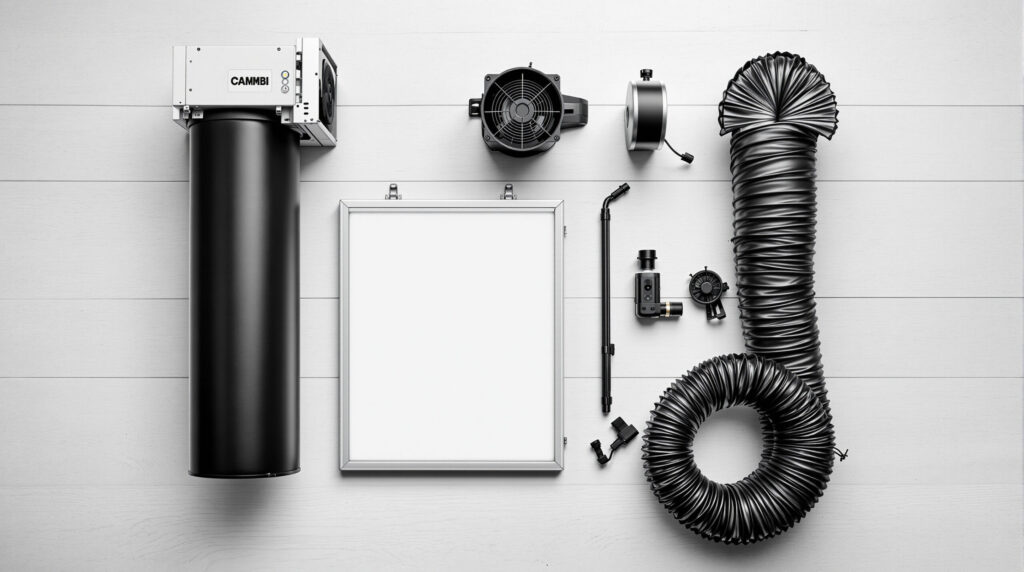
An empty tent is just a shell. Success or failure depends on the technology inside, and here there’s a clear hierarchy. Lighting comes first. Modern LED systems have largely replaced sodium vapor lamps in the hobby sector because they generate less heat and operate more efficiently. More important than raw wattage is that the lamp suits your floor area and delivers the correct spectrum. We explain why spectrum is so crucial in detail in our article on the right light spectrum for cannabis.
Ventilation is nearly equally important. An exhaust fan draws spent, warm, humid air from the tent while fresh air flows in. A general rule holds that all air in the tent should be exchanged roughly once per minute. For a small 60-centimeter tent, a system delivering around 150 to 200 cubic meters of airflow per hour usually suffices. For 80×80 and 100×100 tents, 240 to 300 cubic meters is the better choice. An additional circulation fan keeps air moving and prevents mold and heat pockets.
The third component is the carbon filter. During flowering, plants develop an intense odor that escapes outdoors through exhaust without filtration. The filter connects directly to the exhaust fan and binds most odor molecules before air leaves the tent. If you want discreet cultivation, this component is essential. For details on how these components work together technically, see our guide to grow tent technology and wiring.
Quality Markers: How to Spot a Good Grow Tent
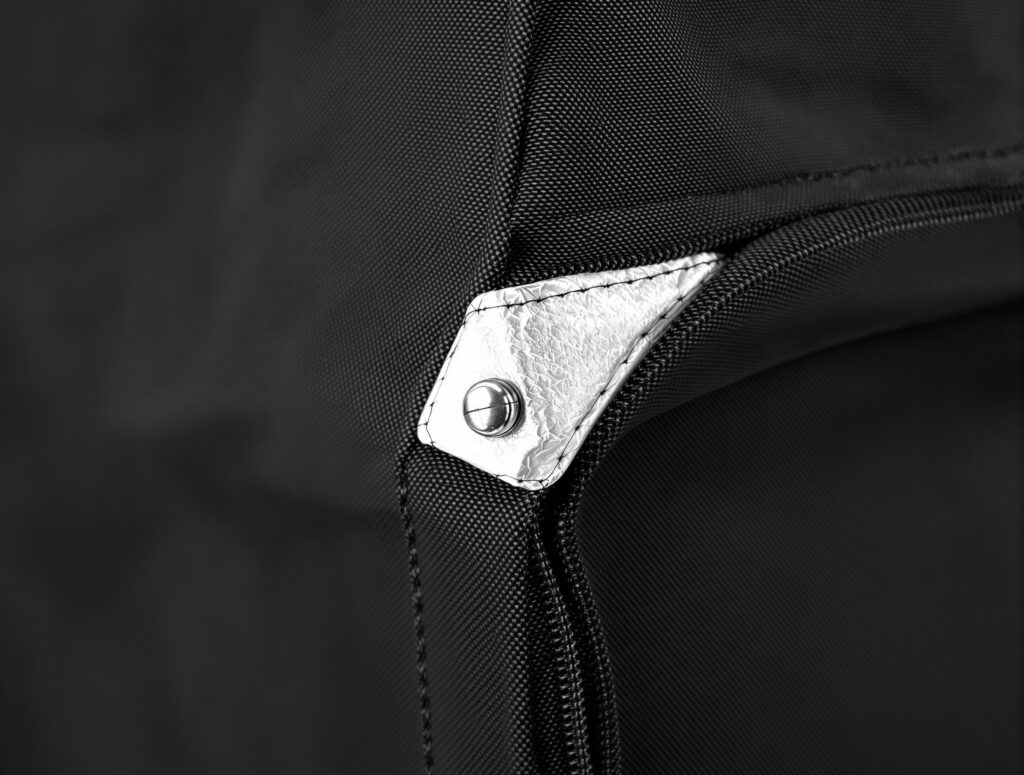
Not every affordable tent delivers what it promises. A central marker is material thickness, measured in Denier. The 600D standard is proven and completely sufficient for roughly nine out of ten hobby growers because it’s light-tight, robust, and easy to clean. Premium manufacturers opt for 1680D or even 2000D, which further improves light-tightness and sound dampening, but makes the tent more expensive and heavier. For long-term use over many years, this premium can pay off; for beginners, it’s rarely necessary.
Details are equally critical. Typical light leaks don’t occur in the fabric itself but at zippers and cable ports. Quality tents therefore place a light-blocking fabric strip behind the zipper and use properly sealed ports. The frame deserves attention too—stable metal rods with solid corner connectors reliably support lamp and filter weight, while thin rods sag under load. Checking these points helps you spot a solid tent more reliably than price alone.
Frequently Asked Questions
Is a grow tent the same as a grow box?
In common usage, both terms are often used synonymously. Strictly speaking, a grow tent refers to the textile construction of fabric shell and metal frame. Grow box is the broader umbrella term and sometimes refers to solid cabinets or complete kits including technology.
What grow tent size do I need for three plants?
For the three plants legally permitted in many jurisdictions, an 80×80 or 100×100 centimeter tent is the best choice. This floor area gives plants enough spacing for training and leaves room for adjustments without mutual shading.
How loud is a grow tent during operation?
Almost all noise comes from the exhaust fan, not the tent itself. Because the thin fabric wall provides minimal sound dampening, a powerful fan can be audible. A muffler in the exhaust line and properly sized equipment keep noise levels low.
Do I absolutely need a carbon filter?
Once plants enter flowering, they develop an intense odor. If you want discreet cultivation, you should connect a carbon filter directly to exhaust. It binds most odor compounds before air leaves the tent.
Is an expensive premium tent worth it for beginners?
Womit baust du derzeit an oder planst du anzubauen?
For beginners, a solid tent with 600D material is usually sufficient. Better to invest your savings in quality LED lighting, proper air extraction, and superior genetics. These factors influence your harvest far more than shell material thickness.







Branchen-Update
News, Analysen und Reportagen — mehrmals im Monat direkt in dein Postfach.
Folge uns