How Is the Price of Cannabis Determined?
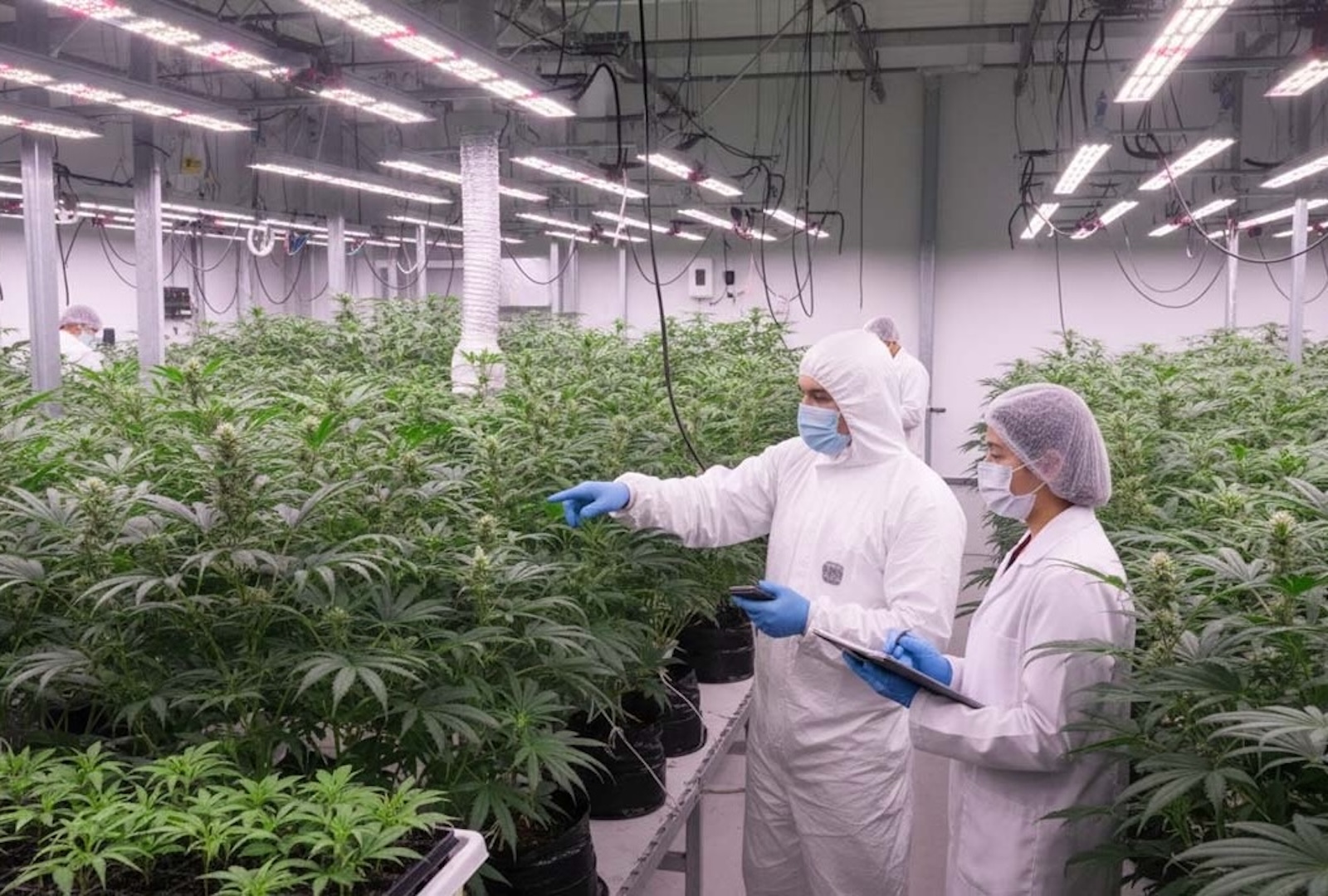
Pharmacy pricing for cannabis flowers consists of multiple components: production costs (cultivation, harvesting, post-harvest processing), import and logistics, quality testing (batch analysis), wholesale margins, pharmacy services (compounding, patient consultation, storage), and taxes. For insurance-covered prescriptions, contractual regulations apply; for private prescriptions, market forces largely determine the final price.
📑 Inhaltsverzeichnis

To summarize the key cost factors:
What a Price of €3.50/g Really Means
Such offers typically target self-paying patients and are only feasible with highly efficient supply chains: large batches, cost-effective production sites, standardized processes.


The catch: Patient consultation, availability of specific cultivars, and traceability must not suffer. What remains critical is that legally mandated quality standards (analytical testing, stability) are demonstrably met.

Pros & Cons of Price Competition
Pros: Affordable flower reduces barriers to access and eases patient budgets—especially important for long-term therapies.
Cons: Pressure on service quality and product variety, potential for more frequent strain and manufacturer switches, risk of supply shortages when margins are squeezed.
- First: Price matters—but quality assurance comes first.
- Second: Consultation and dose titration require time and must be properly funded.
- Third: Availability and supply reliability are medically relevant factors.
Quick Comparison: Cost Factors
| Factor | Impact on €/g | Notes |
| Production | High | Indoor/greenhouse, energy costs, yields |
| Analytics | Medium | Full certificates of analysis per batch |
| Pharmacy | Medium | Consultation, compounding, quality control |
Further Reading
Telemedicine • Strains & Reviews • Research & Studies
Frequently Asked Questions About Cannabis Flower Price Competition
What Do Cannabis Flowers Cost at Telemedicine Clinics in 2026?
Self-pay prices have spread significantly by 2026: budget import batches start around €3.50/g, while EU-GMP premium strains range from €8 to €12/g. The Bloomwell Medical Cannabis Barometer shows that average prices are declining because telemedicine clinics operate with standardized supply chains and reduced margins. Pharmacy services and patient consultation remain the biggest differentiation factors.
Are Cheaper Cannabis Flowers Lower Quality?
Not automatically. Every batch must meet EU-GMP compliance standards, whether priced at €3.50 or €12 per gram (analytical testing, stability, certificate of analysis). Risk emerges indirectly: patients forced to constantly switch strains because cheap batches sell out face potential therapy non-compliance. Our detailed analysis explores this dynamic in Cannabis Private Prescriptions: Threat to Patient Supply?
What Costs Does Health Insurance Cover for Cannabis?
Public health insurance covers cannabis only in cases of medical necessity with prior approval—which rarely applies to pure sleep or stress indications. Self-paying patients bear full costs including prescription fees and pharmacy margins. The debate intensifies as a finance commission has even proposed ending public insurance coverage for cannabis flowers, which would further expand the self-pay market.
How Does a Cannabis Prescription Work via Telemedicine?
Telemedicine clinics operate with standardized protocols: online intake forms, video consultation with a physician, followed by a private prescription sent by mail or digitally to the dispensing pharmacy. The BCPS standard for cannabis in telemedicine outlines structured requirements for diagnosis, patient education, and follow-up care. Delivery times after prescription approval typically range from 2–4 business days, depending on the pharmacy and strain availability.





Worauf achtest du beim Kauf von medizinischen Cannabisblüten am meisten?
Branchen-Update
News, Analysen und Reportagen — mehrmals im Monat direkt in dein Postfach.
Folge uns