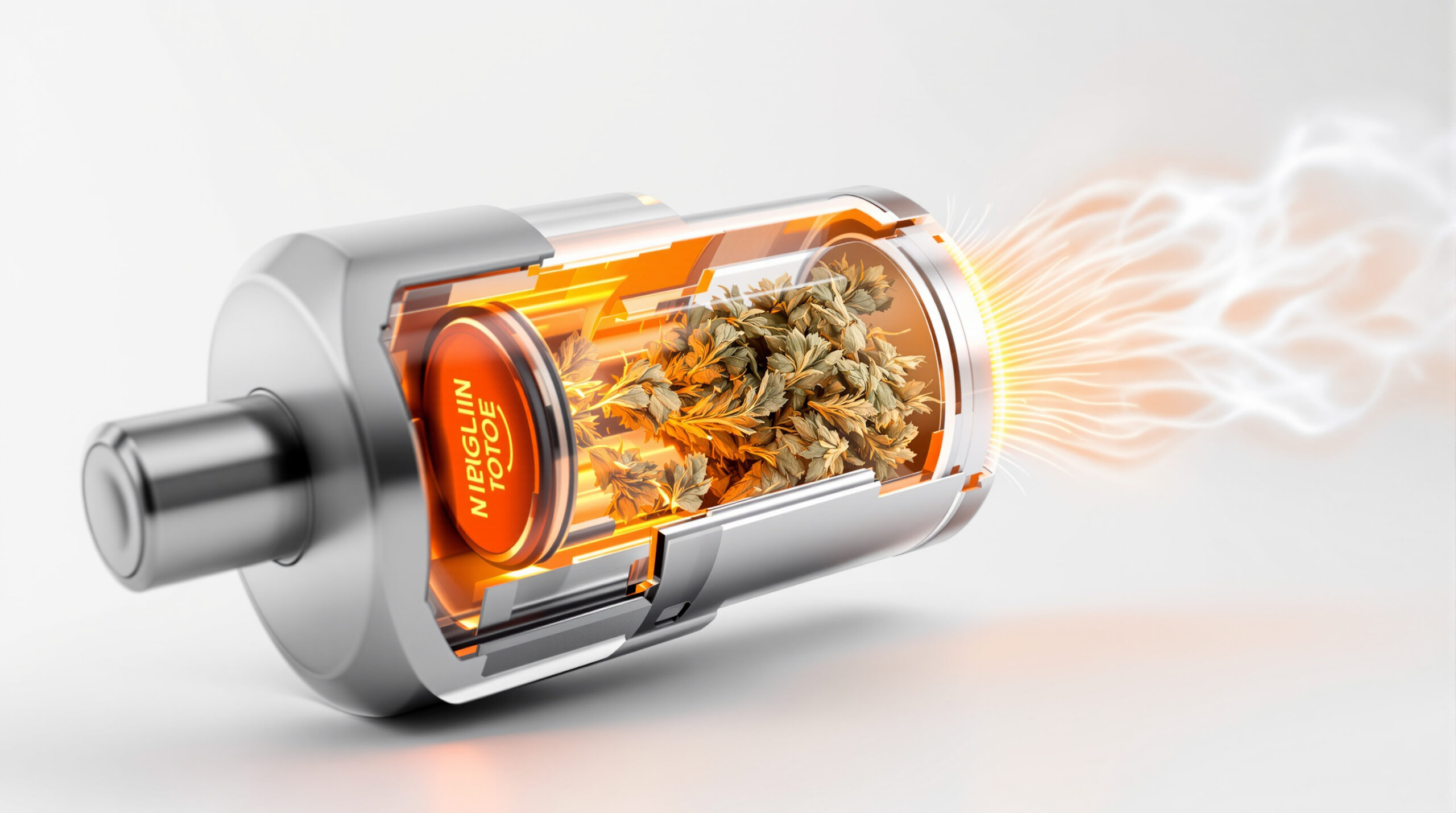
When you buy a vaporizer, you’re not just selecting a device—you’re selecting physics. Whether dried flower releases its active compounds evenly or burns unevenly depends almost entirely on how heat reaches the herb chamber. The two fundamental methods are called convection and conduction. Behind these technical terms lies a significant difference that determines flavor, efficiency, and the risk of unwanted combustion. This article explains what actually happens inside a vaporizer when the heating element activates.
📑 Inhaltsverzeichnis
What Physically Distinguishes Convection and Conduction
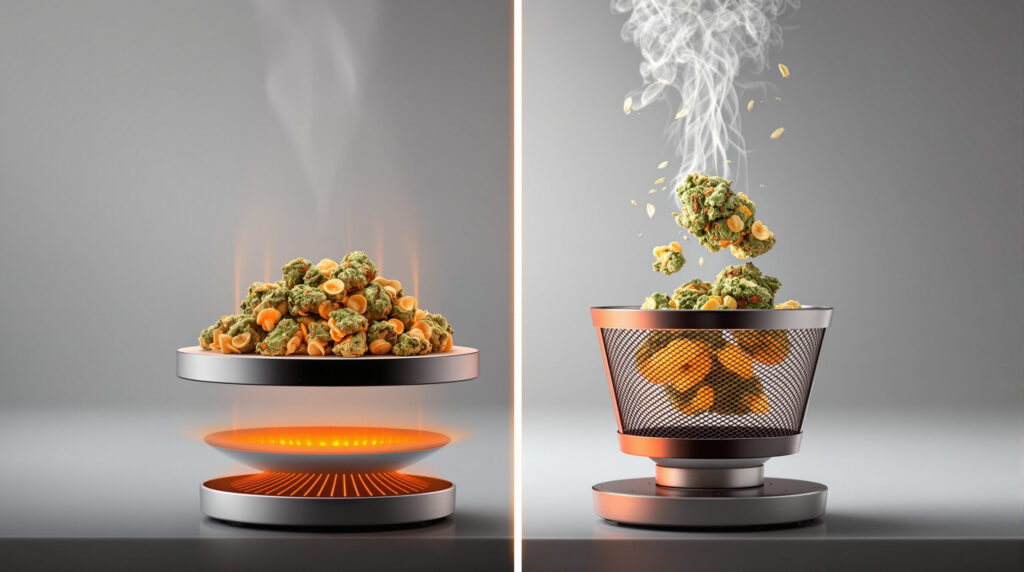
Conduction means heat transfer through direct contact. In a conduction vaporizer, cannabis sits directly on or very close to a heated surface, usually a ceramic or metal chamber. Once this surface heats up, warmth travels through contact points into the plant material. The principle is the same as a pan where the bottom piece of vegetable cooks first and most intensely. This reveals the weakness: material touching the hot wall receives significantly more heat than flower in the middle of the chamber.
Convection, by contrast, works with a stream of hot air. The heating element and plant material are spatially separated. When you draw, heated air flows through the chamber and transfers energy to the flower without a glowing surface directly touching the material. This is comparable to a convection oven that distributes heat through circulating air rather than placing food on a plate. The heat reaches every individual flower from all directions, producing more even vaporization.


Why Heating Method Determines Flavor and Efficiency
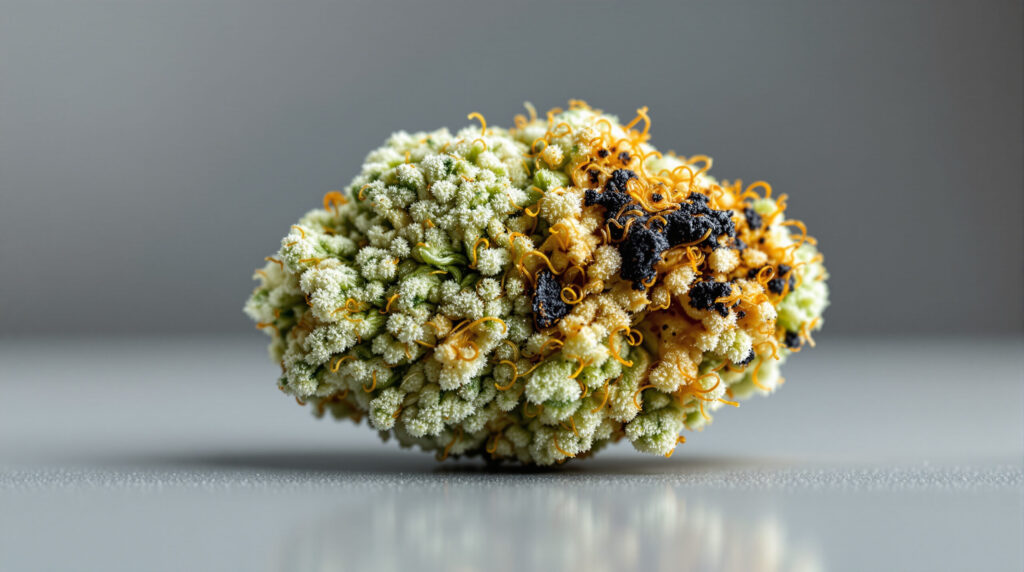
Cannabinoids and terpenes vaporize at different temperatures. THC releases at around 157 degrees Celsius, CBD in the range of 160 to 180 degrees, and terpenes like myrcene or limonene sit at 168 and 176 degrees respectively. Above roughly 230 to 235 degrees, pyrolysis begins—thermal decomposition that creates unwanted substances like benzene, toluene, and acrolein. The goal of every vaporization session is therefore to stay as long as possible in the corridor between complete cannabinoid release and the onset of combustion.
Convection maintains this corridor better. Because the air carries a defined temperature and material doesn’t stick to an overheated wall, vaporization temperature can be controlled more precisely. Quality convection devices work with tolerances of just a few degrees. This protects delicate terpenes and produces clearer, more aromatic vapor. For detailed information on which temperature releases which effects, our article on what happens in your vaporizer at different temperatures covers this in depth.
Conduction offers a different advantage. Because material sits directly on the hot surface, dense, visible vapor forms more quickly. Those who appreciate a strong draw often find this pleasant. However, cannabis in a conduction vaporizer continues vaporizing between draws as long as the chamber remains hot, causing wasted cannabinoids. Convection is more efficient here because many devices only send heat to the chamber when you’re actually drawing.
The Weaknesses of Both Methods in Practice

Conduction is prone to uneven heating. Flower at the chamber wall can already be roasting while material in the core barely vaporizes. The result is scratchy vapor and a taste that quickly turns burnt. Experienced users counter this by stirring the chamber between puffs to redistribute the material. This works but requires some practice and patience.
Convection has its own challenges. The technology is constructively complex, requiring a separate heating element, an air path, and often a stronger draw or blower. This makes such devices tend to be larger, more expensive, and sometimes require slightly more draw strength for mouth hits. Additionally, many convection models need a moment for the air stream to reach the desired temperature. Those seeking quick, uncomplicated hits between sessions sometimes find this inconvenient. For a general overview of how vaporizers work, our foundational article on how a vaporizer functions provides helpful context.
Hybrid Heating: Attempting to Bridge Both Worlds
Many modern devices use hybrid heating. The chamber is lightly preheated, which corresponds to the conduction principle, and when you draw, hot air additionally flows through the material—convection. This combination aims to blend conduction’s quick heat-up time with convection’s even extraction. In practice, this means less waiting until the first usable draw and reduced risk that parts of the flower burn.
Well-known representatives of this design type come from manufacturers like Storz and Bickel, whose portable models have employed hybrid conduction-convection heating for years. The appeal lies in the compromise: beginners get a forgiving device that delivers decent results without constant stirring, while flavor stays closer to a pure convection device than a classical conduction model. However, the proportion each device uses varies from manufacturer to manufacturer and isn’t always clear from the specification sheet.
Which Method Suits You
There’s no universal recommendation because the method must match your consumption habits. Those who prioritize maximum flavor, precise temperature control, and economical material use are best served by convection or a convection-leaning hybrid. Those seeking an affordable, compact device for quick hits between sessions and comfortable with some stirring do well with conduction. Both methods preserve delicate terpenes far better than any combustion. For an overview of which aromas come into play, our guide to terpenes in cannabis is comprehensive.
Ultimately, the heating method is no marketing detail—it’s the core of what a vaporizer delivers. It determines whether your flower produces clean, aromatic vapor or a roasted compromise. Understanding the difference between heat conduction and hot air convection leads to a far more conscious purchasing decision than simply checking wattage and battery life.
Frequently Asked Questions
Is a convection vaporizer healthier than a conduction device?
Both methods eliminate open combustion and are therefore preferable to smoking. However, convection maintains more consistent temperature and reduces the risk that individual flowers locally overheat and release contaminants like benzene or acrolein. In this sense, convection operates somewhat more controllably, provided the device stays below the pyrolysis threshold of around 230 degrees.
Why is vapor from conduction often denser?
Because material sits directly on the hot surface, it vaporizes very quickly and continues partly between draws. This creates visibly denser vapor clouds. However, this density comes at the cost of efficiency, since cannabinoids also vaporize unused as long as the chamber stays hot.
What does hybrid heating actually deliver?
Hybrid heating combines quick heat-up time through chamber preheating with even extraction via hot air during draws. This means less waiting time and less risk of burnt spots. The flavor usually lands closer to a pure convection device than a classical conduction model.
Do I have to stir a conduction vaporizer?
It’s recommended. Because heat enters the chamber unevenly, material at the wall vaporizes first. Brief stirring during your session redistributes the flower and ensures more even utilization and less scratchy vapor.
What temperature is right for my vaporizer?
Welche Heizmethode nutzt dein Vaporizer hauptsächlich?
Most users operate between roughly 180 and 210 degrees. In this range, cannabinoids are fully available and terpenes remain largely intact. Lower temperatures emphasize aroma and clearer effects, while higher temperatures release heavier compounds like CBN and produce more physical effects. You should stay below 230 degrees to avoid pyrolysis.







Branchen-Update
News, Analysen und Reportagen — mehrmals im Monat direkt in dein Postfach.
Folge uns