Two years after the Cannabis Consumption Act came into force, communal self-supply is becoming increasingly visible: A Brandenburg cultivation association is distributing cannabis from its own harvest for the first time starting July 31, according to its own statements—and doing so at a central Berlin location right at the main train station.
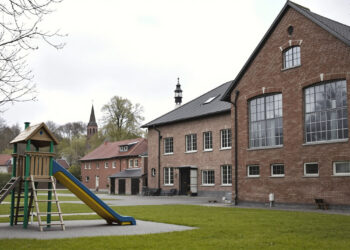
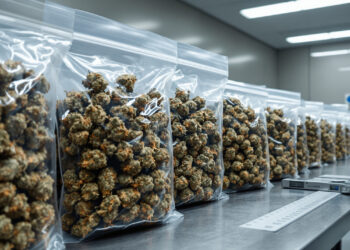
According to the association CannabisTreff e.V., the first distribution of cannabis from its own cultivation to members begins on Friday, July 31, 2026. The distribution point is located at Bertha-Benz-Straße 5, directly adjacent to Berlin Central Station; going forward, distribution is scheduled to take place weekly on Fridays from 12 to 8 p.m. The association describes it as the first distribution by a Brandenburg-licensed cultivation association in this central Berlin location.
Cultivation in Strausberg, Distribution in Berlin
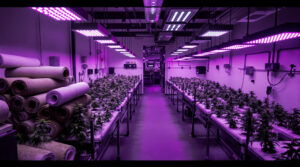
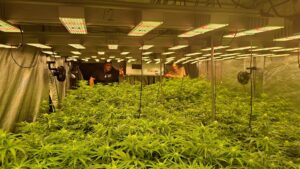
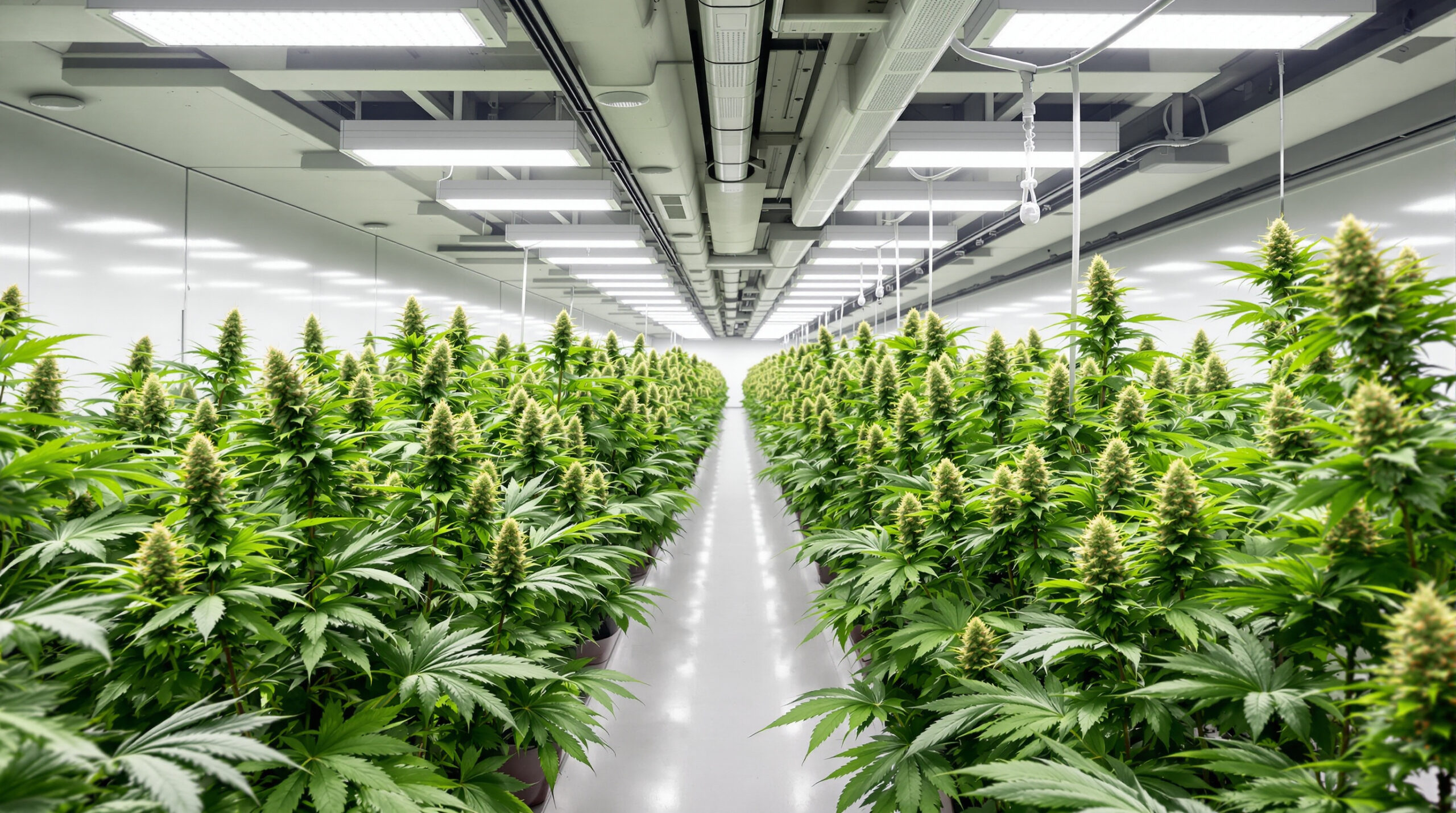
According to the association, cultivation takes place in a highly automated indoor facility at the association’s headquarters in Strausberg, Brandenburg, with LED lighting, sensor-controlled climate management, and automatic irrigation. The first harvest was brought in in early July; drying, curing, and the laboratory analysis required by the Cannabis Consumption Act have been completed. The cultivation is supervised by a cultivation manager with degrees in agricultural science and international cultivation experience, according to the association.


The association itself is a piece of legalization history: founded in June 2024 in Berlin, relocated to Strausberg at the end of 2024 due to initially unclear Berlin regulatory responsibilities, and licensed there by the Brandenburg State Office for Environment, Health and Consumer Protection (LAVG). With the new distribution point, operations are now returning to Berlin. The case illustrates how differently the German states handle cultivation associations in practice.
A Building Block of KCanG Implementation
Cultivation associations, alongside private home cultivation, form the second pillar of partial legalization. They may distribute cannabis exclusively to their members and are subject to strict requirements regarding documentation, youth protection, and quality assurance. The fact that an association is distributing its first self-cultivated harvest at such a prominent location is above all a visible signal that the model is taking hold in practice two years after coming into force.
The details mentioned here are based on information provided by the association; the editorial team has not independently verified every point. According to their announcement, board members and the cultivation manager are available for follow-up questions.



Würdest du einer Anbauvereinigung beitreten oder privat anbauen?
Branchen-Update
News, Analysen und Reportagen — mehrmals im Monat direkt in dein Postfach.
Folge uns