Jersey, barely larger than Berlin’s airport at just 119 square kilometers, has quietly evolved into one of the most vital supply arteries for Germany’s medical cannabis market. In the fiscal year 2025, Jersey delivered more cannabis flower to Germany than Colombia, a country with 374 times the land area and decades of cultivation tradition. This achievement is made possible by a single producer who operates nearly the entire island: Northern Leaf.
📑 Inhaltsverzeichnis
3,590 Kilograms of Flower in One Year to Germany
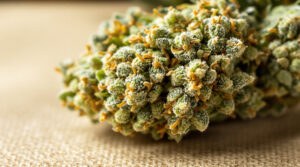
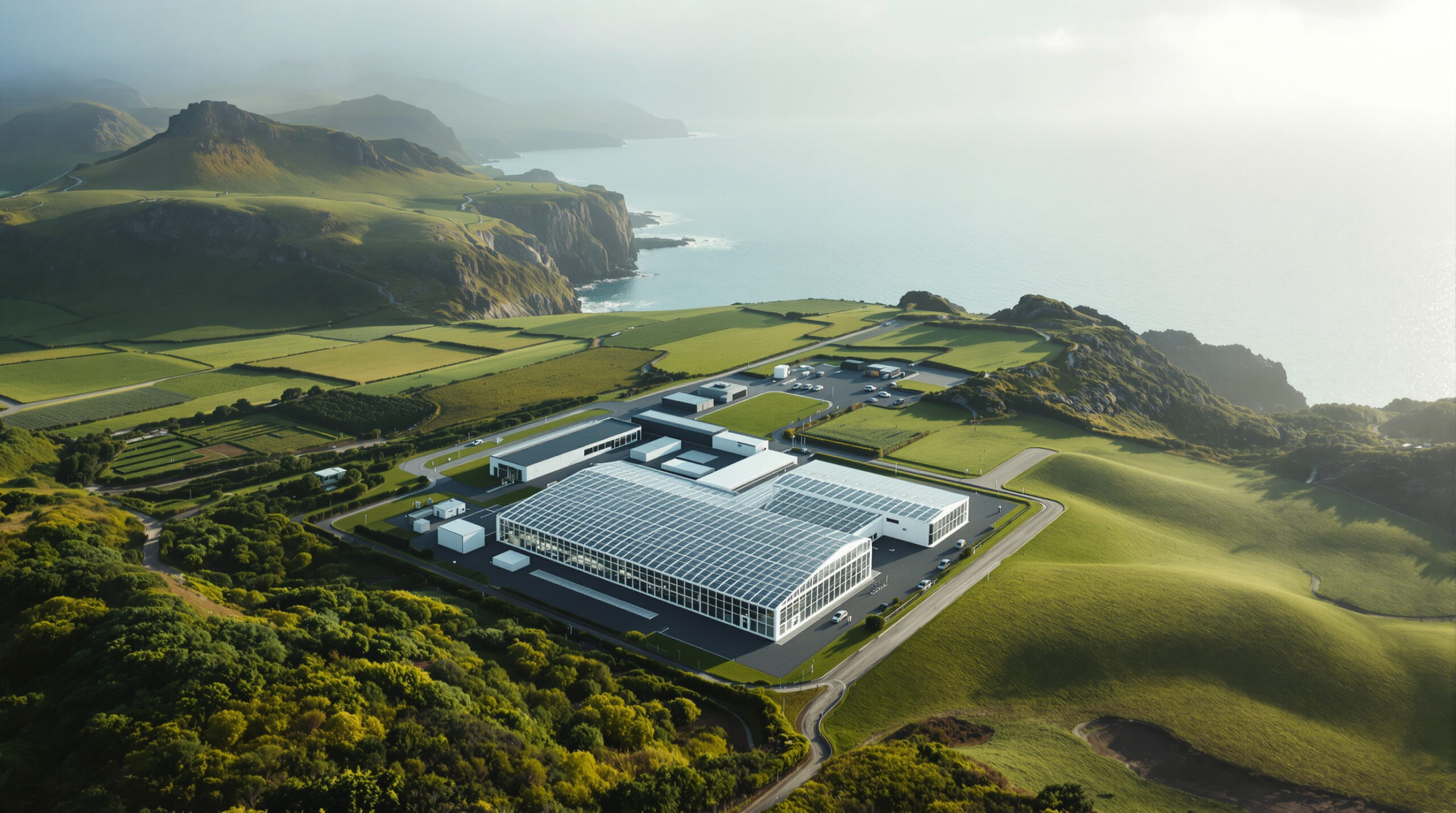
The figures compiled by the British industry portal Business of Cannabis in late April from Jersey’s own foreign trade statistics read like a sensation for German importers and pharmacy representatives. 3,590 kilograms of dried medicinal flower left Jersey over the past year bound for the Federal Republic. In doing so, the Channel Island significantly surpassed the traditional supplier Colombia and established itself alongside Canada, Portugal, and Spain as a permanent fixture in the supplier circle. Nearly 90 percent of this volume comes from a single facility: Northern Leaf’s plant in Saint Lawrence.
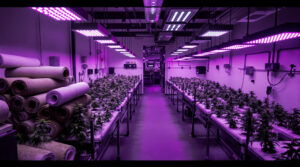
According to its own statements, Northern Leaf operates the largest EU-GMP-certified cannabis production on the British Isles. The company doesn’t supply finished packaged end products, but rather pharmaceutical bulk active ingredients that are further processed by German manufacturers. This model significantly lowers the entry barrier for German brand partners, as the main compliance burden lies with island-based production. The scale this has reached is demonstrated by comparison with other import routes. We reported just two weeks ago that Canada now ships 62 percent of its total flower exports to Germany. The cannabis corridor between North America and the Federal Republic is no longer the only one.


Geographic Advantage: 36 Hours to German Wholesale
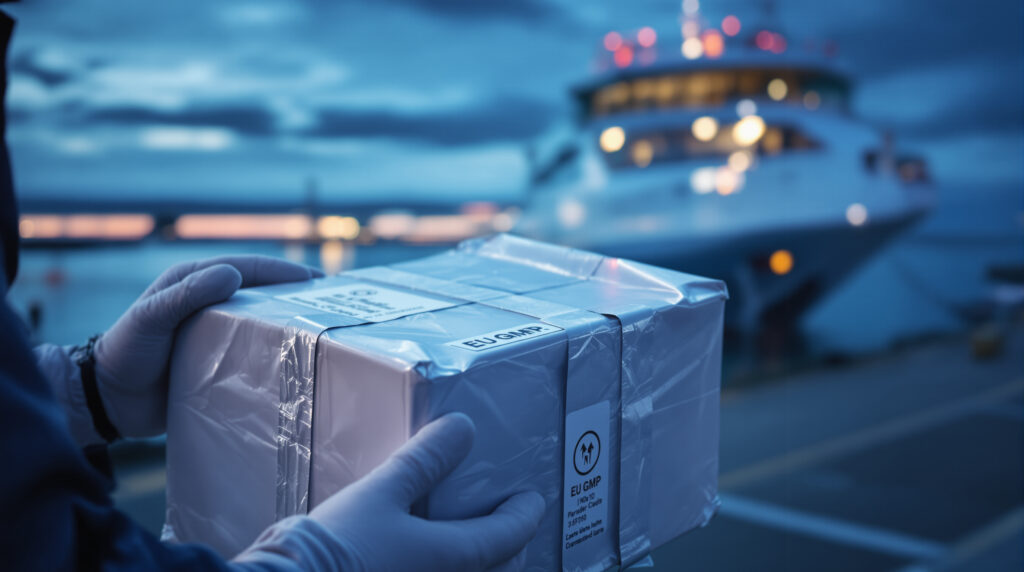
What distinguishes Jersey from the major cannabis nations Canada and Colombia is not quantity, but speed. A shipment leaves the Saint Lawrence plant in the morning, reaches the French port of Saint-Malo via a two-hour ferry crossing, and arrives at German wholesale warehouses within 36 hours. A comparable shipment from Vancouver or Bogotá takes roughly two weeks with air freight, veterinary, and customs clearance. For a product whose freshness significantly determines terpene profile and market value, this time advantage is both commercially and pharmaceutically meaningful.
Add to this the island’s own regulatory regime. As a British Crown Dependency, Jersey maintains independent administration outside British Home Office structures. Cannabis export permits are often granted within a few business days upon application, while producers in Britain and the EU must plan for several weeks. Northern Leaf accordingly markets itself aggressively with the slogan of the world’s fastest export processing. For German pharmacy wholesalers who have chronically suffered from supply shortages since prescription increases in 2024, this is a compelling argument.
What the Shift Means for the German Market
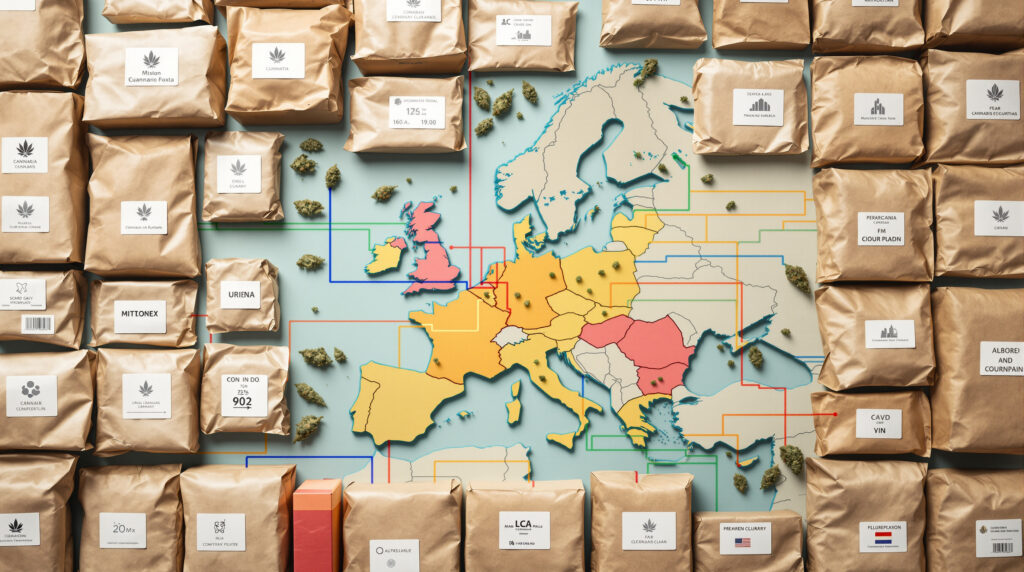
Jersey’s rise cannot be viewed in isolation. Within a few months, the European supplier landscape for German patients has been radically reshuffled. Portugal, long the central processing hub, is losing market share to Spain and now Jersey. The shift in processing axes demonstrates just how volatile supply actually is. Whoever can certify quickly and deliver quickly wins. German demand has also set new benchmarks. After reaching the 200-ton mark last year, the industry is already discussing whether 2026 will break the 250-ton threshold.
For Germany, diversification brings stability but also creates new dependencies. A single production facility on a small island now covers a measurable share of the entire German prescription volume. Should natural events, regulatory tightening, or a change of ownership cause Northern Leaf production to stall, it would be immediately felt in German pharmacies. The planned reform of the Medical Cannabis Act, which would restrict telemedicine prescriptions and curtail the mail-order model, could suppress demand, but it changes nothing about the fundamental import dependency of a market that currently obtains only about 2.6 tons from domestic production.
Jersey as a Model Case for Micro-Locations
Industry observers view Jersey less as an anomaly and more as a showcase for a new generation of smaller yet highly specialized production sites. While in Canada large operations with hectare-sized greenhouses collapse under margin pressure and Portugal experiences waves of consolidation, Jersey benefits from a narrow, well-regulated niche. Political stability, clear ownership structures, short routes to European logistics hubs, and EU-GMP certification make the island predictable. This predictability is what German wholesalers currently weigh more heavily than the low wholesale prices of North American competitors.
Whether Jersey can maintain this position depends on two variables. First, on the pace of expanding further GACP and GMP certifications in European countries such as the Czech Republic, Poland, or Greece. Second, on the question of whether Northern Leaf is capable of expanding production beyond its current capacity limits in the medium term without compromising quality. One thing is certain: the assumption that the German patient market will continue to be supplied from overseas is history.
Frequently Asked Questions
What is Northern Leaf?
Northern Leaf is a medical cannabis producer based in Saint Lawrence on Jersey. According to its own statements, the company operates the largest EU-GMP-certified facility on the British Isles and supplies pharmaceutical bulk active ingredients for further processing in Germany and other European markets. Northern Leaf accounts for approximately 90 percent of Jersey’s total cannabis production.
How much cannabis does Jersey supply to Germany?
According to Business of Cannabis data, Jersey exported approximately 3,590 kilograms of dried medicinal flower to Germany in fiscal year 2025. In doing so, the island surpassed classic supplier countries like Colombia and established itself as a permanent part of the German supply chain alongside Canada, Portugal, and Spain.
Why is Jersey so attractive for German importers?
Three factors make Jersey particularly appealing. First, geographic proximity—a shipment reaches German wholesale within 36 hours. Second, fast approval practices of the island’s independent administration, which often grants export licenses within a few business days. Third, consistent EU-GMP certification that provides a complete compliance apparatus without German partners having to assume production responsibility themselves.
What risks does concentration on a single producer entail?
Since nearly all Jersey production is with Northern Leaf, a measurable portion of German prescription volume depends on a single facility. Natural events, regulatory tightening, or a change of ownership could disrupt supplies in the short term. Wholesalers respond by actively diversifying supply sources, for example through orders from producers in Spain, the Czech Republic, or Greece.
How does Jersey fit into the broader European cannabis market?
Wie wichtig ist dir die Herkunft deines medizinischen Cannabis?
Jersey is regarded as a model case for a new class of small, highly specialized production sites. While major Canadian producers struggle under margin pressure and Portugal loses market share as a processing hub to Spain, Jersey gains ground through political stability, clear regulation, and short logistics routes. These qualities currently outweigh the pure price advantage of large overseas suppliers for German wholesalers.



Branchen-Update
News, Analysen und Reportagen — mehrmals im Monat direkt in dein Postfach.
Folge uns