While the global pharmaceutical industry has largely ceased research into new antibiotics, a finding from Canada suggests that the cannabis plant could make an unexpected contribution to the crisis surrounding multidrug-resistant hospital pathogens.
📑 Inhaltsverzeichnis
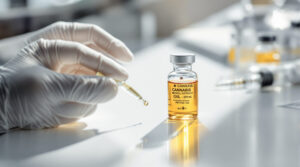
A study published in the Journal of Applied Microbiology by Oxford University Press on April 21, 2026, shows that two cannabinoids—cannabichromene and cannabigerol—drastically increase the effectiveness of colloidal silver against dangerous pathogens. Combined application reduces the required silver dose by up to 64-fold and prevents the development of resistance.
What the study at the University of British Columbia investigated
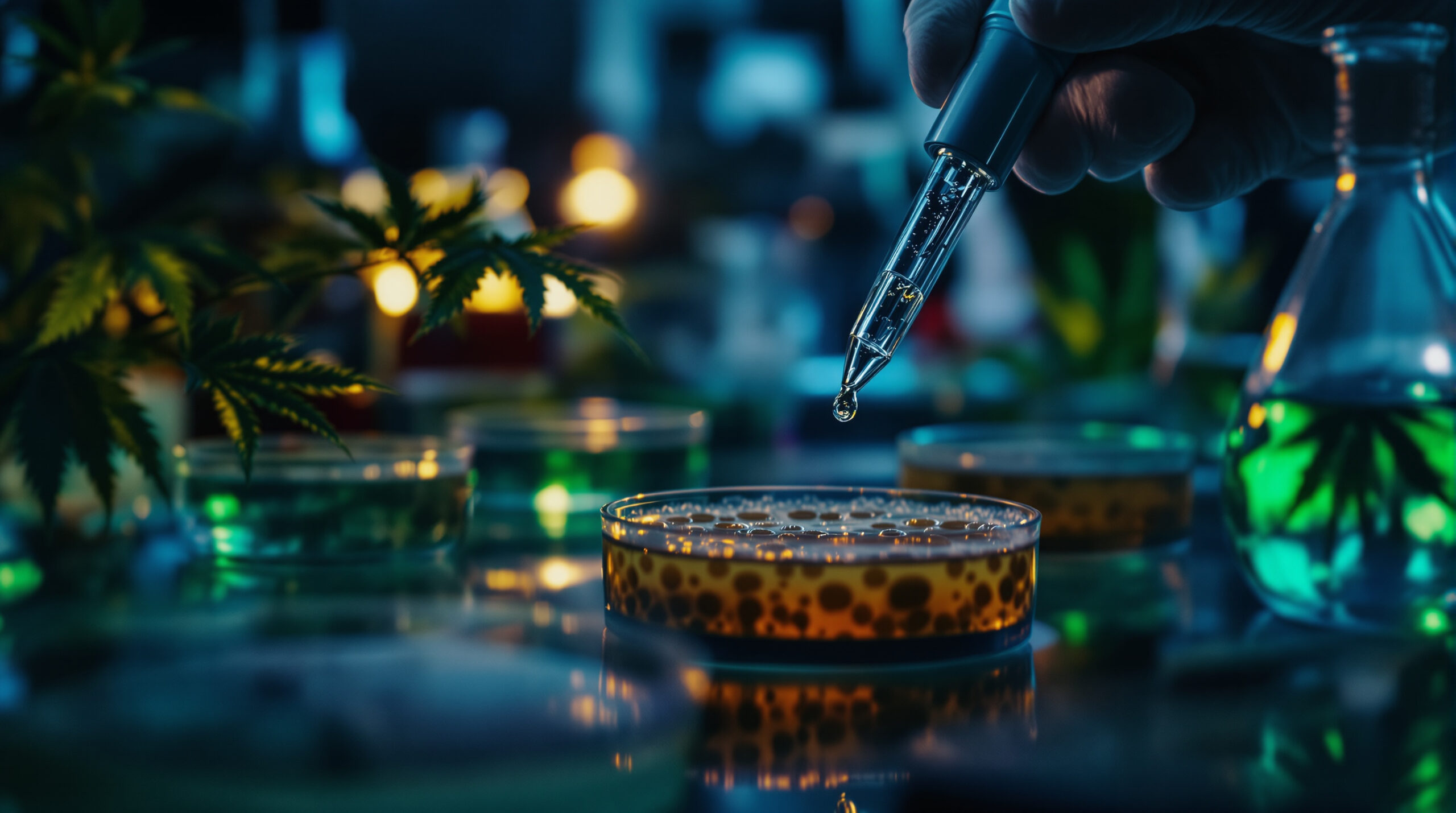
The work was conducted by a team led by pharmacist and Andira Pharmaceuticals founder Lambert in cooperation with the University of British Columbia. Three particularly relevant hospital pathogens were examined: methicillin-resistant Staphylococcus aureus, or MRSA, the bacterium Escherichia coli, and Pseudomonas aeruginosa. These three pathogens are globally recognized as drivers of nosocomial infections and rank at the top of the World Health Organization’s priority lists because they are increasingly resistant to classical antibiotics.


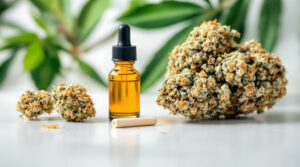
The researchers combined colloidal silver, a time-tested antimicrobial agent, with the relatively rare phytocannabinoids cannabichromene and cannabigerol. Both are so-called minor cannabinoids that occur only in small quantities in cannabis varieties and are therefore rarely requested in pharmacies. For an overview of the plant’s active compound spectrum, our article on the role of cannabigerol provides an introduction. The Canadian study now provides reliable data on the synergy between these cannabinoids and an established antimicrobial agent for the first time.
Up to 64-fold potency enhancement and biofilm dissolution
The central observation of the publication is impressive. The combination of silver, CBC, and CBG reduces the silver dose needed for antimicrobial activity by up to 64-fold. What was previously only weak growth inhibition becomes rapid bacterial cell death. This approach not only increases effectiveness but simultaneously reduces the risk of adverse effects because the silver amount can be significantly reduced.
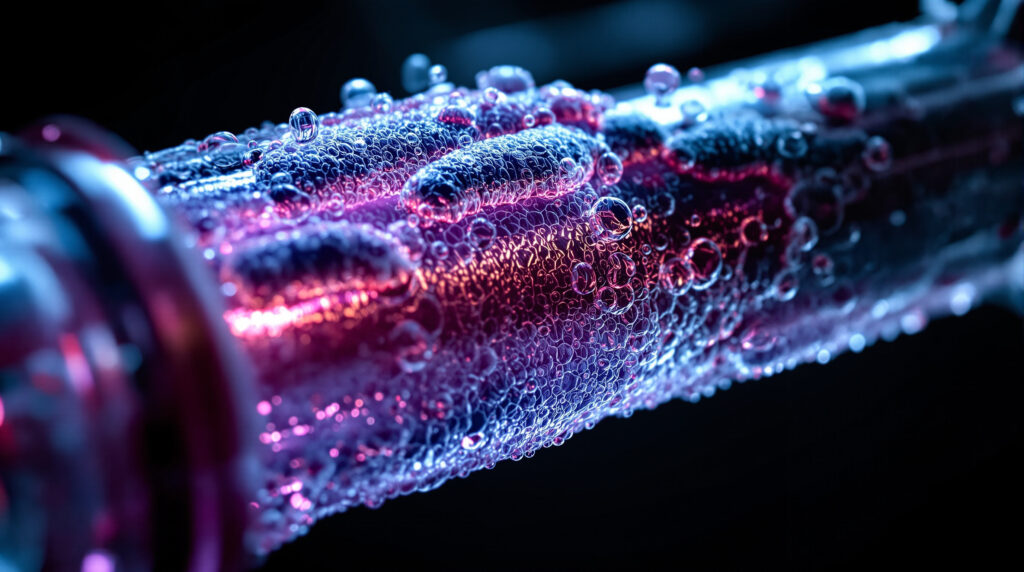
The effect on so-called biofilms is particularly important. Bacterial biofilms are dense layers of microorganisms that form on catheters, implants, and surgical instruments and are particularly difficult to attack with antibiotics. The cannabis-silver combination eliminated these biofilms by more than 90 percent. In doing so, this research targets one of the largest unsolved problems in modern hospital medicine.
No resistance development over 20 days
The resistance behavior is at least equally remarkable. In a 20-day experiment, MRSA developed expected resistance to the standard antibiotic fusidic acid, while bacteria showed no measurable adaptation to the silver-cannabinoid combination. This is an important indication that the investigated drug mixture attacks bacteria differently than classical antibiotics and thus potentially works where conventional therapies have long since failed.
Why this research has political significance right now

Antibiotic resistance is considered one of the biggest public health challenges of the decade in Europe. In the European Union alone, tens of thousands of people die each year from infections with multidrug-resistant pathogens, according to estimates. At the same time, the pharmaceutical pipeline for new antibiotics is thin. Large pharmaceutical companies have largely withdrawn from this research field because the costly development is economically barely justified.
In this situation, the cannabis plant is increasingly coming into focus as a source of pharmacologically interesting substances. The Canadian study joins a growing number of preclinical works documenting antimicrobial properties of individual cannabinoids. Years ago, studies suggested that CBD and related substances could inhibit multidrug-resistant pathogens. A comprehensive overview of the research field is provided in our article on cannabis and multidrug-resistant pathogens.
What the findings could mean for healthcare in Germany

For patients in Germany, the study is not yet an immediate treatment option. The data comes from in vitro experiments and must first be confirmed in animal studies and then in clinical trials in humans. Realistically, an approved application would not be conceivable for several years, provided that a manufacturer continues to drive development forward.
Nevertheless, the signal is relevant for domestic cannabis research. Germany, with its highly regulated medical cannabis market and EU-GMP-compliant supply chain, is a potentially attractive location for clinical follow-up studies. If the antimicrobial effect is confirmed, this opens not only a new field of application beyond pain, spasticity, and nausea, but also an economic incentive to specifically cultivate varieties with high CBC and CBG profiles. German research funding in the area of pharmaceutical cannabinoids could leverage this opportunity here.
Frequently asked questions
What exactly are CBC and CBG?
Cannabichromene and cannabigerol are minor cannabinoids. They occur in most cannabis varieties only in small quantities and are considered non-psychoactive. CBG is frequently described as a precursor molecule from which the plant produces, among other things, THC and CBD. CBC is one of the less researched cannabinoids and has only come into greater scientific focus in recent years.
Do the cannabinoids work without silver?
The Canadian researchers specifically investigated the synergy with colloidal silver. While earlier studies show that individual cannabinoids can also exert antimicrobial effects on their own, the effect strength documented in the current work is achieved only through the combination, which reduces the required silver dose by up to 64-fold.
What role do biofilms play in hospital infections?
Biofilms are dense layers of bacteria that form on medical devices and implants. They protect pathogens from antibiotics and are a major reason why infections following surgery are difficult to manage. The study shows that the silver-CBC-CBG mixture removes more than 90 percent of these biofilms.
When could such a therapy be available in Germany?
It is still a long way to clinical application. The data comes from laboratory experiments and must first be confirmed in animal and human studies. Even with expedited progress, approval as a wound dressing or coating for medical devices would realistically not be expected for several years.
Why is the study important for the cannabis industry?
The work underscores that the pharmaceutical significance of the cannabis plant extends far beyond known applications. Especially the finding that no resistance development was observed is remarkable for a research field in which almost every new substance loses effectiveness within a few years.
Sources: Lambert et al., Journal of Applied Microbiology, Oxford University Press, published April 21, 2026; University of British Columbia, press release on the study; Andira Pharmaceuticals, background information on combined silver-cannabinoid application.
Related articles
- The Return of the Repressed: Prehistoric Enzymes and the Promise of CBC
- What Did the Lancet Study Investigate? An Analysis of Evidence in Psychiatry
- No Impairment of Emotion Control by THC
Sollten Cannabinoide als Antibiotika-Verstärker in Kliniken erforscht werden?






Branchen-Update
News, Analysen und Reportagen — mehrmals im Monat direkt in dein Postfach.
Folge uns