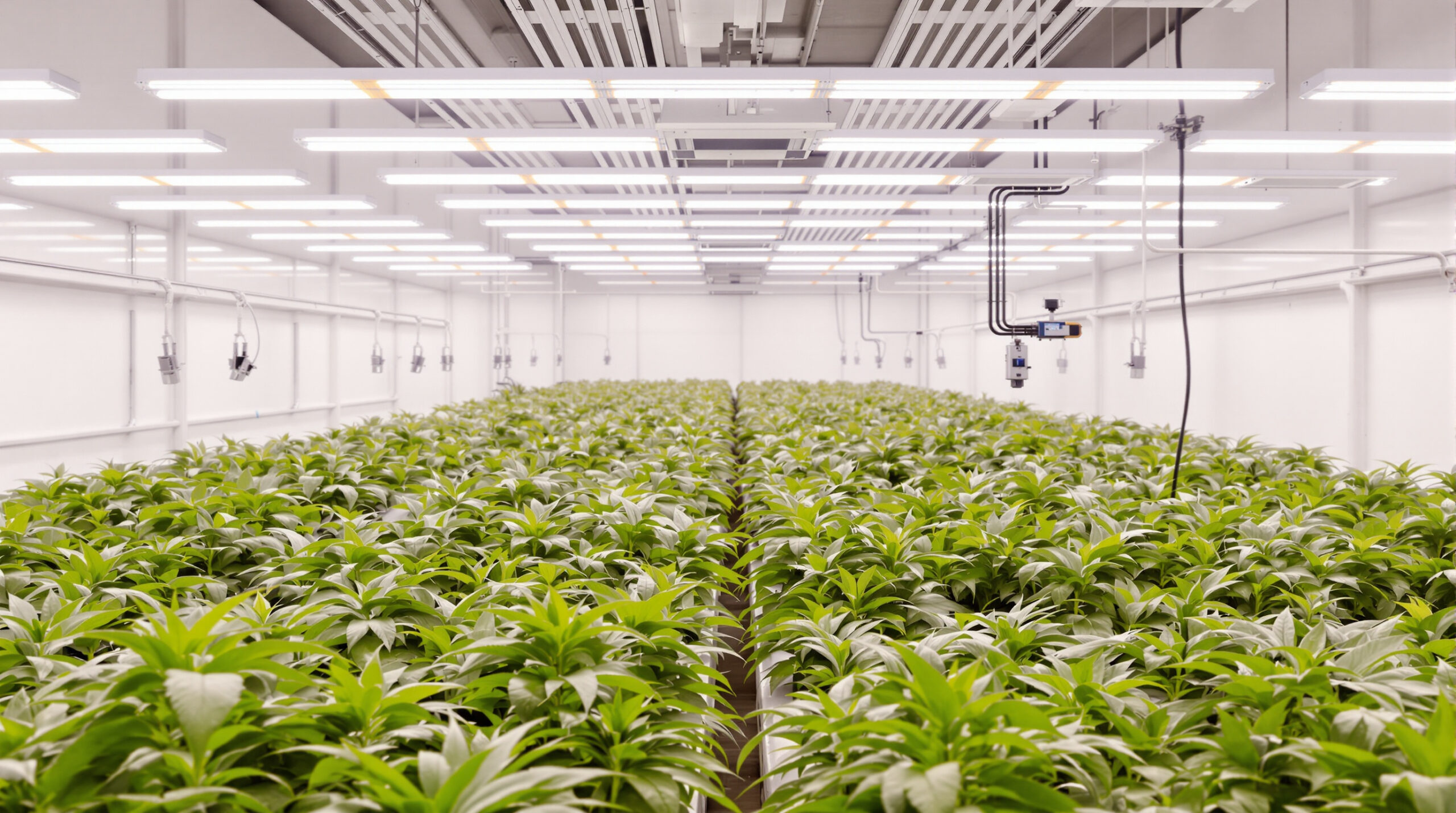
Der Cannabis Social Club – kurz CSC oder Anbauvereinigung – ist seit dem 1. Juli 2024 die einzige legale Möglichkeit in Deutschland, Cannabis gemeinschaftlich anzubauen und unter Mitgliedern weiterzugeben. Was wie ein simpler Verein klingt, ist in Wirklichkeit ein komplexes Konstrukt aus Gemeinschaft, Eigenverantwortung und klaren gesetzlichen Regeln. Für die rund zwei Millionen regelmäßigen Cannabiskonsumenten in Deutschland stellt der Cannabis Social Club eine echte Alternative zum Schwarzmarkt und zum aufwendigen Homegrow dar. Dieser umfassende Guide erklärt alles, was du über CSCs wissen musst – von der Rechtsgrundlage und den konkreten Mitgliedsregeln bis zu den aktuellen Zahlen aus ganz Deutschland und den wichtigsten Vor- und Nachteilen des Modells.
📑 Inhaltsverzeichnis
- What is a Cannabis Social Club? History and Basic Concept
- The Legal Foundation: The Consumer Cannabis Act of 2024
- Membership in a Cannabis Social Club – Requirements and Admission
- How Much Cannabis Is Available in the Club? Quantities and Distribution Rules
- Quality, Safety, and Addiction Prevention in the Cannabis Social Club
- Cannabis Social Clubs in Germany: Numbers, Federal States, and Regional Differences
- Founding a Cannabis Social Club or Joining One – What’s the Right Choice?
- Daily Life in the Cannabis Social Club – Pickup, Strains, and Community
- Conclusion: The Cannabis Social Club as a Pioneer of a New Consumption Culture
- Frequently Asked Questions About Cannabis Social Clubs
- 💬 Fragen? Frag den Hanf-Buddy!
What is a Cannabis Social Club? History and Basic Concept
The Cannabis Social Club is far more than just a bureaucratic construct. It represents a new way of thinking about cannabis – not as a commodity that you purchase, but as a product of a community where every member is part of the process. This philosophical foundation shapes how the clubs function in practice and what culture develops within them.
The concept of the Cannabis Social Club has its roots in Spain. The first clubs emerged there in the 1990s, operating in a legal gray area: in Spain, private cannabis consumption and cultivation are not punishable as long as they don’t happen publicly. Activists exploited this gap to establish clubs where members cultivated cannabis together and divided the harvest among themselves. The model spread quickly – Belgium, the Netherlands, and other European countries experimented with similar concepts.


The decisive difference in Germany: here, the CSC model was regulated by law for the first time and made subject to state licensing requirements. The German model is thus stricter and more transparent than its Spanish predecessors, but simultaneously offers significantly greater legal certainty. Anyone who is a member of a German CSC and follows the rules operates entirely within the legal framework – a first for cannabis consumers in Germany.
The fundamental philosophy behind the Cannabis Social Club is collective self-sufficiency. Rather than a company cultivating and selling cannabis, members of a community grow together for themselves. The club is the tool; the members are simultaneously producers and consumers. Profits are forbidden; any surplus flows back to the association – for better equipment, broader strain selection, or addiction prevention programs.
The Legal Foundation: The Consumer Cannabis Act of 2024
With the entry into force of the Consumer Cannabis Act (KCanG) on April 1, 2024, Germany took a historic step: possession and consumption of cannabis were decriminalized for adults within limited parameters. But that was just the beginning. Three months later, on July 1, 2024, the second part of the law took effect – the nationwide regulation for so-called cultivation associations, namely Cannabis Social Clubs.
These clubs have since been permitted to cultivate, process, and distribute cannabis exclusively for their members under strict conditions. The crucial point: this is a non-commercial structure. A CSC may not generate profits, may not distribute cannabis to outsiders, and cannot place classical advertisements. The law explicitly prohibits prominent signage or external advertising of any kind. The legislator’s goal was clearly stated: to reduce the black market, enable quality control, and effectively implement youth protection.
Legally, a Cannabis Social Club must be organized as either a registered association (e.V.) or a cooperative. A special operating license is mandatory – and this is issued by the competent authorities of the respective federal states. Jurisdiction lies at the state level, which is a key reason for regional differences in implementation. Rejected applications, bureaucratic hurdles, and federal variations strongly characterized the first year of implementation. The assessment of legalization is correspondingly mixed.
Membership in a Cannabis Social Club – Requirements and Admission
Those wishing to become members of a Cannabis Social Club must first meet some basic requirements. The minimum age is 18 years, and crucially, a fixed place of residence in Germany must be documented. This explicitly excludes, for example, tourists and short-term visitors. Additionally, each person can only be a member of one single CSC at any given time – anyone already belonging to one cultivation association cannot be admitted to a second one simultaneously. This principle of single membership is intended to prevent members from circumventing legal quantity limits through multiple club memberships.
In practice, the admission process involves a formal membership application, identity verification, and payment of an entry or membership fee. The club’s board decides on admission and has a certain margin of discretion in doing so. New members typically receive an orientation covering key topics: distribution quantities, quality standards, youth protection obligations, and proper transportation and safe storage of cannabis at home. This mandatory onboarding is required by law and ensures that all members are informed and handle cannabis responsibly.
Costs vary considerably depending on the club. Typical monthly fees range from 30 to 100 euros, plus a one-time admission fee usually between 50 and 100 euros. Per gram of cannabis, charges are typically 4 to 8 euros – substantially cheaper than black market prices, which in Germany often exceed 10 euros per gram. There may also be cultivation cost contributions of 50 to 200 euros per year. Another feature of the clubs is a three-month waiting period: new members must be registered for at least three months before cannabis can be distributed to them.
How Much Cannabis Is Available in the Club? Quantities and Distribution Rules
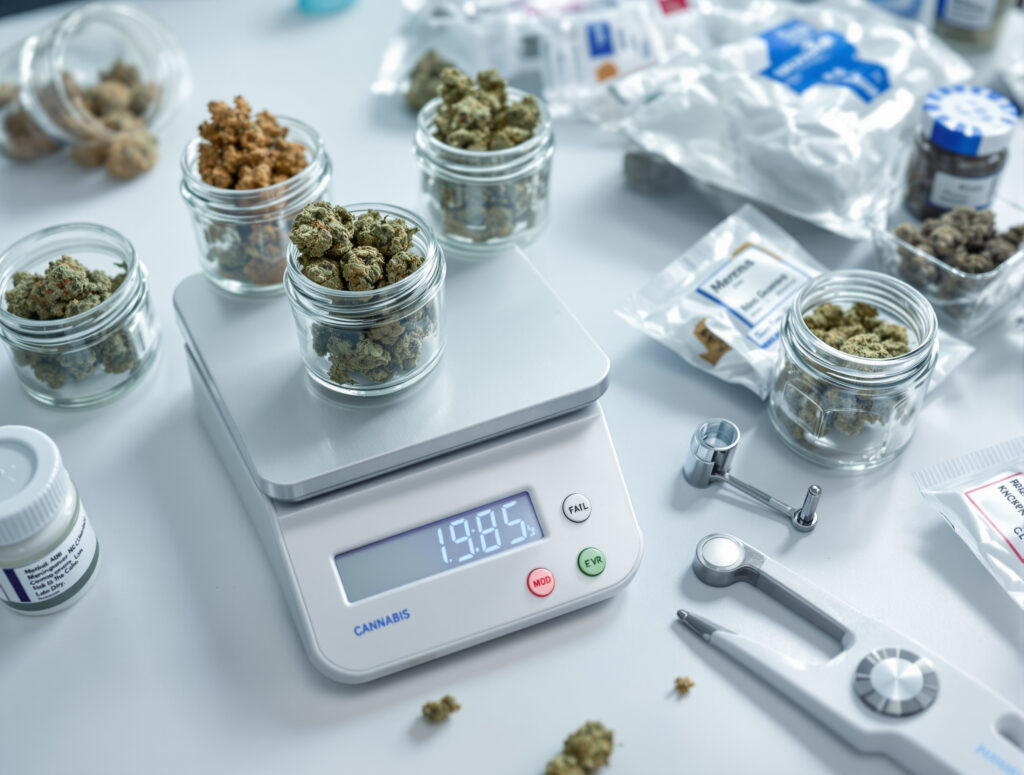
The law establishes clear limits. Adult members aged 21 and over may receive a maximum of 50 grams of cannabis per month, with daily distribution limited to 25 grams. For younger members between 18 and 21 years old, stricter rules apply: they may only receive up to 30 grams per month, and the THC content of distributed products may not exceed 10 percent. This differentiation is designed to ensure special protection for young adults whose brain development is not yet complete.
Beyond dried cannabis, clubs may also distribute cultivation material: up to seven seeds or five cuttings per member per month. An important limitation here: cannabis itself may not be shipped by mail or courier. Only seeds are excepted and may be sent by post to members. Distribution of dried cannabis must always occur in person at the club location. This regulation protects against uncontrolled distribution while simultaneously requiring frequent club visits – a logistical disadvantage for members in rural areas with long travel distances.
Many don’t realize: possession on public roads and spaces is also regulated. Those transporting cannabis from the club may carry a maximum of 25 grams. In the immediate vicinity of schools and youth facilities, even these quantities are prohibited. Those carrying their membership card and the club’s internal documentation are on the safe side during police checks.
For those wondering whether a club or home cultivation is the more sensible option, a look at actual homegrow costs in 2026 helps: investments in equipment, electricity, and time quickly add up to a level that substantially exceeds monthly CSC fees – particularly for occasional consumers.
Quality, Safety, and Addiction Prevention in the Cannabis Social Club
One of the strongest arguments for the Cannabis Social Club is quality control. Those buying on the black market rarely know exactly what’s in the product. Adulterants, pesticides, and falsely declared THC levels are common problems with illegal purchases. In the CSC, by contrast, the entire cultivation is monitored internally, and legally required documentation makes the production chain transparent. Modern clubs also employ laboratory analyses to confirm active ingredient content and purity – a standard that simply doesn’t exist with street purchases.
In terms of security, Cannabis Social Club premises are subject to strict regulations. Burglar-resistant doors and windows, fenced cultivation areas, and possibly alarm systems are mandatory. Clubs must also maintain at least 200 meters distance from schools, childcare facilities, playgrounds, and other children’s and youth facilities. Locating in residential buildings is also prohibited, which in many German cities with tight commercial real estate markets represents a genuine challenge for club founders.
Many clubs go beyond statutory minimum requirements and actively offer addiction prevention and educational work. Members can learn about responsible cannabis use and have a point of contact if consumption becomes problematic. This community component is a meaningful difference: those consuming cannabis in a social context are not alone with their questions and can draw on the experiential knowledge of other members. All documentation work – who received how much, quantities in cultivation and distribution – must be maintained without gaps and archived for five years.
Cannabis Social Clubs in Germany: Numbers, Federal States, and Regional Differences

The rollout of Cannabis Social Clubs proceeded very differently across regions. By September 2025, a total of 743 applications for cultivation associations had been submitted nationwide, of which 323 were approved. At that time, at least 328 applications were still under review, 27 had been rejected, and 53 applicants withdrew their applications – often due to high bureaucratic hurdles or lack of suitable premises.
Geographic differences are substantial. North Rhine-Westphalia led with 83 approved clubs, followed by Lower Saxony with 55 and Rhineland-Palatinate with 27. The Saarland had not approved a single club by July 2025; Bremen had two, Mecklenburg-Vorpommern three. Bavaria was regarded as particularly restrictive in its interpretation of the law – authorities there applied particular strictness to requirement standards. This unequal treatment has already brought the major north-south divide in cannabis club licensing into political discussion.
Despite the rocky initial phase, the movement developed faster than experts originally predicted. In early 2025, estimates spoke of over 100 active CSCs with more than 10,000 members combined – a number that has grown continuously since. The demand for memberships exceeds supply in many regions, further focusing attention on the discussed second pillar of legalization with regional model projects.
Founding a Cannabis Social Club or Joining One – What’s the Right Choice?
Those considering entry into the world of Cannabis Social Clubs face a fundamental decision: join an existing club or establish your own. Both paths have their logic. Membership in an established club is the more direct route: processes are established, cultivation is underway, and you benefit from a community that has already gained experience. Waiting lists are not uncommon at popular clubs in densely populated regions – early contact here pays off.
Founding your own club offers creative freedom – from strain selection to association culture to membership composition. Like-minded individuals can build a project that matches their vision. However, the legal and organizational requirements of founding are substantial. Beyond association registration and license application, suitable premises are needed, a solid financial concept, data protection and addiction prevention policies. The detailed step-by-step guide to CSC founding in 2026 leads through all necessary steps from association registration to operating permit.
For many consumers, joining an existing club is the more pragmatic choice. The search for a suitable club varies depending on location: urban areas now have a growing selection, while rural areas are still significantly underserved. For those unable to find a suitable club nearby, legal home cultivation with up to three plants remains an alternative – with all associated costs and effort. The decision between CSC and home cultivation is ultimately a balance between convenience, cost, and personal control over cannabis quality.
Daily Life in the Cannabis Social Club – Pickup, Strains, and Community
Those imagining the practical side of the Cannabis Social Club often picture an anonymous transaction model – similar to a pharmacy, just for cannabis. In reality, many clubs function quite differently. Regular pickup days often become social events where members engage in conversation, discuss cultivation methods, and share experiences. This community dimension is not accidental but part of the design: the law explicitly emphasizes the associational character of cultivation associations.
The strain selection in a well-established Cannabis Social Club can be impressive. Experienced clubs frequently offer multiple strains differing in THC content, CBD ratio, flavor, and effects profile. Members can thus choose according to mood and need – an advantage over home cultivation, where you typically grow only one or two strains simultaneously. Strains with high CBD content and low THC are particularly recommended for newcomers and younger members.
Practical handling runs digitally in most clubs. Members book their pickup quantity online, register for pickup days, and receive confirmation. Identity verification occurs in person during pickup. Some clubs employ specially developed apps or member management systems that simultaneously handle legally required documentation. Data protection is a sensitive topic here: clubs store personal data regarding consumption quantities and must secure this carefully.
Those interested can actively participate in many clubs – assisting with cultivation, taking on association tasks, or contributing to strain selection for the next season. This participation opportunity fundamentally distinguishes the CSC from passive purchasing from a dealer. Simultaneously, no one is required to actively participate: those wanting only to consume and pay their fee can do so. The club provides space for both – active engagement and relaxed use.
Conclusion: The Cannabis Social Club as a Pioneer of a New Consumption Culture
The Cannabis Social Club has arrived in Germany – and it’s changing how people understand and consume cannabis. As a legally secure alternative to the black market, it offers quality control, transparent pricing, and an environment that promotes responsibility rather than encouraging anonymity. The teething problems of the first year – bureaucratic overwhelm, regional unequal treatment, long waiting times – are real but surmountable.
For consumers wondering whether a Cannabis Social Club is right for them, the honest answer is: it depends on your personal situation. Those living in a region with good club availability, consuming regularly, and valuing quality and community find a compelling model in the CSC. Those living in a region without an approved club or seeking very individual strain selections may find home cultivation the better alternative. Both options have their place in the German cannabis landscape following legalization.
Frequently Asked Questions About Cannabis Social Clubs
Can I join a Cannabis Social Club in Germany as a tourist?
No, that’s not possible. A fundamental requirement for membership in a cultivation association is a fixed place of residence or habitual residence in Germany. Tourists and short-term visitors are explicitly excluded from membership and thus from legal distribution through these clubs.
How many Cannabis Social Clubs currently exist in Germany?
Development is dynamic. By September 2025, 743 applications had been submitted nationwide, of which 323 were approved. Since then, additional applications continue to be processed, and the number of active clubs grows steadily, though there’s a pronounced north-south divide in administrative approval practices.
How long does it take before I can receive cannabis as a new member?
The law mandates a three-month waiting period. New members must therefore be registered with the club for at least three months before receiving their first distribution. Additionally, a legally mandated orientation in topics such as addiction prevention and proper storage must first take place.
May the Cannabis Social Club also distribute hashish or extracts?
No, under current law, cultivation associations are only permitted to distribute dried flowers and cultivation materials such as seeds or cuttings. Distribution of processed products such as hashish or other extracts is prohibited by the Consumer Cannabis Act.
What happens if a Cannabis Social Club violates the rules?
If violations of strict legal requirements occur – such as distribution to non-members, insufficient documentation, or youth protection non-compliance – authorities can revoke the operating permit. Additionally, fines or criminal consequences threaten those responsible for the association.
Is Cannabis Social Club membership tax-relevant?
Würdest du einem Cannabis Social Club beitreten?
Generally, no. Since clubs are organized as non-commercial associations or cooperatives and are prohibited from generating profits, membership is not tax-relevant for members. Dues serve only to cover shared cultivation and administration costs.


Branchen-Update
News, Analysen und Reportagen — mehrmals im Monat direkt in dein Postfach.
Folge uns