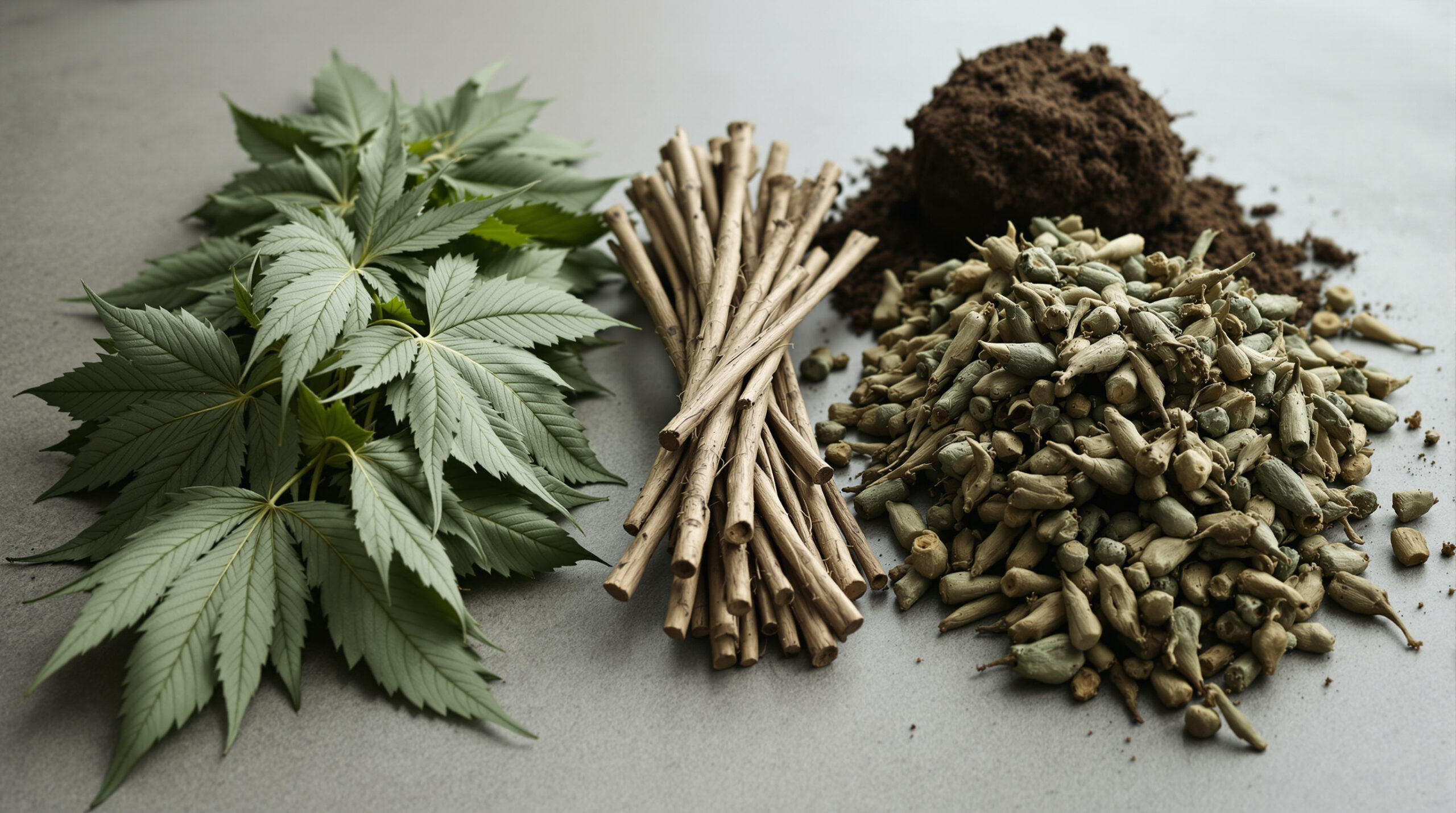
When the buds are dried and stored in a jar, the real work begins for many growers: a pile of fan leaves, stems, trim, and an earth-crusted root ball remains. The reflex to toss it all into the compost bin is understandable, but it wastes a surprisingly large portion of the plant. Botanically speaking, cannabis is a multi-use plant, and almost every tissue can be repurposed. Those who want to utilize cannabis residues can extract active compounds, soil substrate, tea, and even craft materials from what appears to be waste. This article categorizes plant parts by their realistic utility and separates proven methods from kitchen myths.
📑 Inhaltsverzeichnis
What actually remains after harvest
The residues from a single plant can be divided into four groups, each with its own utilization profile. First are the large fan leaves, which carry few trichomes and consist mainly of plant material. Clearly distinct from these is the so-called trim—the cuttings from small sugar leaves that result from manicuring the buds. These sugar leaves sit close to the buds and, depending on the strain, are visibly covered with resin glands. Then come the woody stems and main stalk, which are structurally similar to thin branches. Finally, there’s the root ball, which traditionally receives the least attention, even though it has the longest medicinal history.
The crucial difference lies in cannabinoid content. Trim from sugar leaves still contains significant quantities of cannabinoids and is therefore suitable for further processing. Fan leaves, stems, and roots, by contrast, are largely low in active compounds and provide value in other ways—as soil improvers, anti-inflammatory root decoctions, or raw materials. Once you grasp this logic, you avoid the most common disappointment: attempting to cook a potent edible from pure fan leaves.


Trim and sugar leaves: Processing cannabinoid-rich residues
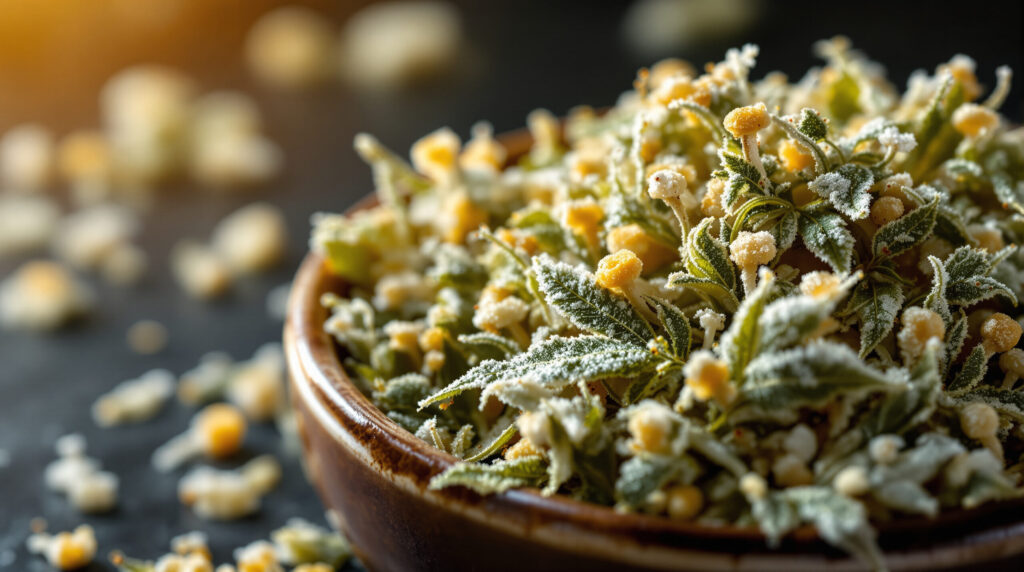
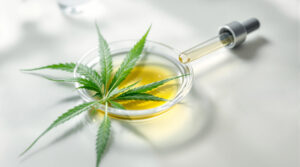
Trim is the most valuable part of what remains after manicuring. Because sugar leaves are covered with trichomes, they contain enough cannabinoids to justify the effort of further processing. The classic method involves fat-based extraction. First, the dried trim is decarboxylated—heated at low temperature in an oven so that the acidic form THCA converts to the psychoactive THC. The material then steeps in butter or plant oil, allowing the fat-soluble active compounds to dissolve. The basic technique hardly differs from processing buds, so our guide on how to make cannabutter applies directly to trim.
In addition to fat extraction, trim serves as starting material for hashish. By sieving through fine nets or using the ice water method, trichomes can be mechanically separated from plant matter, yielding a concentrated powder or pressable mass. An alcohol-based tincture is also possible, with decarboxylated trim steeping in high-proof alcohol. In all cases, realistic expectations about potency are important, as trim is noticeably weaker than the flowers themselves. Exact dosing can only be roughly estimated without lab analysis, so small amounts and adequate waiting time are advisable when first consuming.
Fan leaves and stems: Compost, tea, and fibers
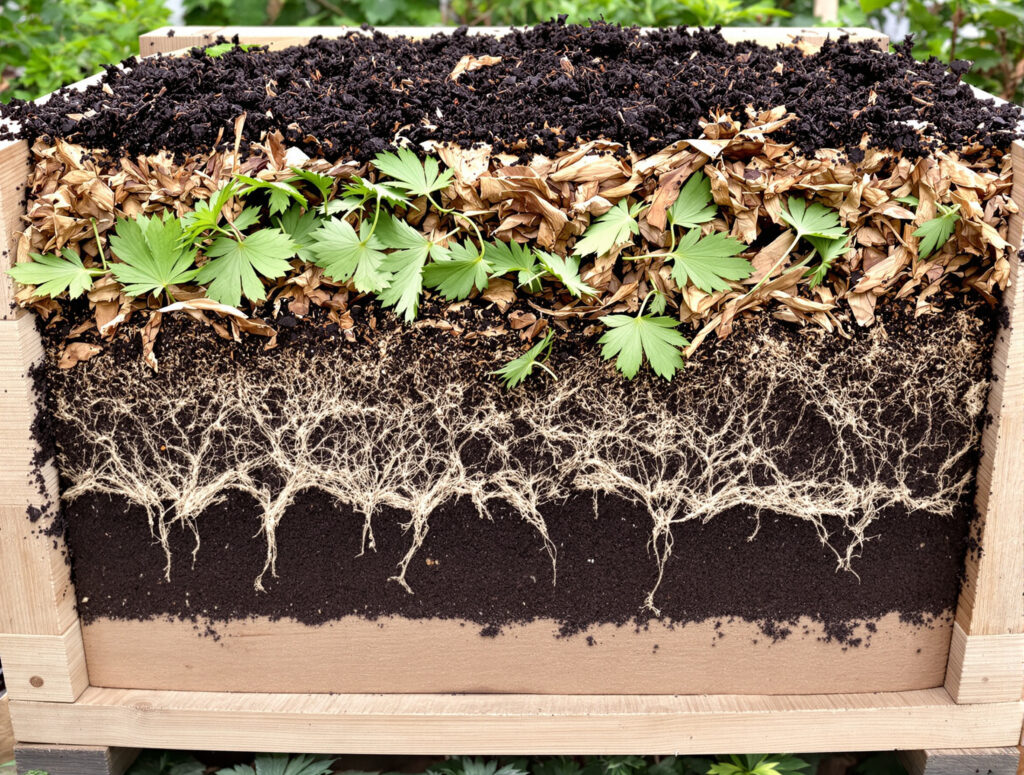
For large fan leaves, composting is the most straightforward and sensible use. Fresh leaves are nitrogen-rich green material, while dried, woody stems are classified as carbon-rich brown material. This combination is exactly what functioning compost needs. As a rule of thumb, a carbon-to-nitrogen ratio of approximately twenty to thirty parts carbon to one part nitrogen works well, making leaves and shredded stems complementary. When materials are shredded beforehand and mixed with other garden waste, the cannabis compost becomes usable as a soil conditioner after several months, depending on conditions. White fungal mycelium in the pile is usually not a cause for concern but rather an indicator of insufficient aeration or excess moisture. Regular turning prevents mold formation.
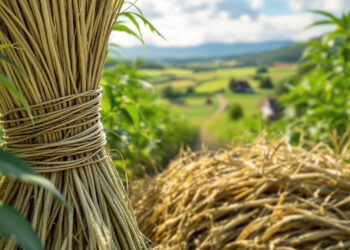
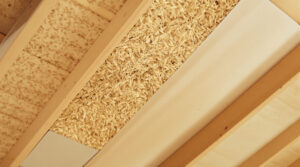
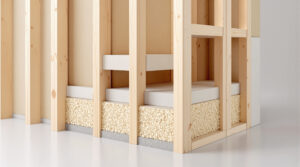
Those without a garden can prepare a mild infusion from dried fan leaves. Since these leaves contain few cannabinoids, such tea is more of a herbal beverage than an intoxicant, capturing the plant’s green, slightly bitter flavor. The stems, meanwhile, are an underestimated bridge to industrial hemp, as their structure resembles that of fiber crops. A hemp stem consists roughly of about twenty percent long bast fibers and seventy to eighty percent woody interior, called shives. On an industrial scale, these become paper, insulation, and building materials; on a smaller scale, dried stems serve as fire starters or craft material. Our overview of industrial hemp and industry demonstrates how far the material use of fiber crops extends.
Cannabis roots: The plant’s oldest remedy
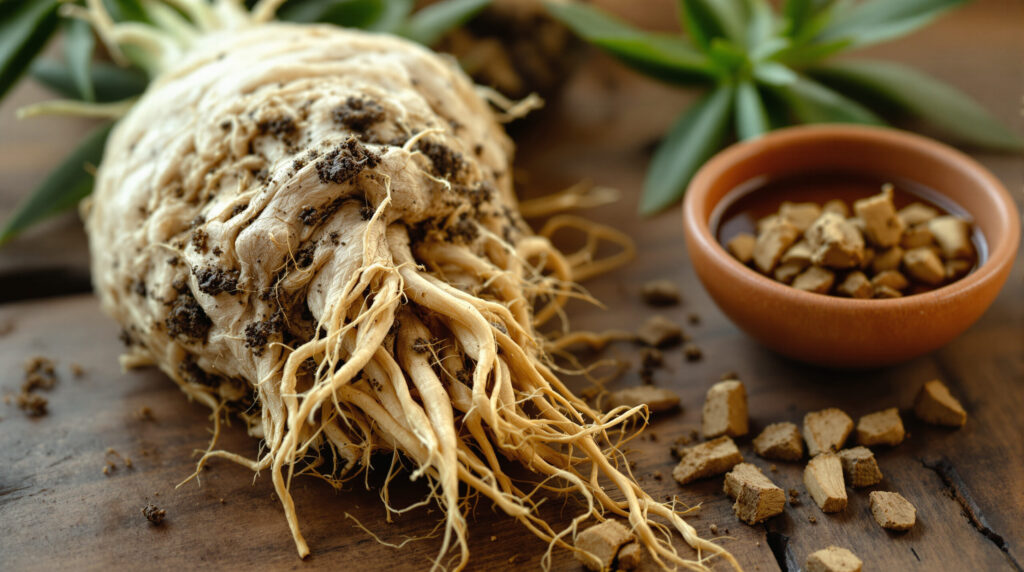
Ironically, the part most often discarded has the longest history. Cannabis roots have been used medicinally since antiquity. Early evidence appears in Chinese and Egyptian sources, and Pliny the Elder described a root decoction in water in the first century to treat joint stiffness and gout. This historical use is not merely a curiosity, as the root contains characteristic triterpenes such as friedelin and epifriedelanol, which preclinical studies attribute anti-inflammatory properties. The root’s active compounds differ from the psychoactive cannabinoids found in flowers, so no intoxicating effect is to be expected.
In traditional application, the cleaned and dried root was decocted, and the resulting liquid was applied externally for joint complaints, skin irritation, or burns. A salve made from a root extract in oil and wax is also a documented classic. It’s important to be honest about context: modern data is limited largely to laboratory findings and historical accounts, and reliable clinical studies in humans are still lacking. Those experimenting with roots should understand this as traditional home remedy practice, not as proven therapy. Our article on what to do with cannabis roots provides deeper historical and practical context.
Sustainability: Why whole-plant utilization makes sense
Processing residues involves more than garden economy. The whole-plant utilization concept follows a zero-waste philosophy that works particularly well with a plant that is usable in nearly every tissue. Processing trim into extracts, composting leaves, and using roots as home remedies closes a small material cycle in which compost serves as substrate again in the next growing cycle. This saves money on fertilizer and soil while noticeably reducing waste.
On an industrial scale, this concept has long become a business model. So-called biomass from stems and residual material is processed into fibers, building materials like hempcrete, or packaging, with woody shives particularly valued for their lignin content. For private growers, the key takeaway is that no plant part is inherently worthless. It’s simply a matter of assigning each residue its appropriate use rather than treating everything the same.
Frequently asked questions
Can you make an effective edible from fan leaves?
Only to a very limited extent. Large fan leaves carry few trichomes and therefore contain little cannabinoid content. Trim from resinous sugar leaves is much better suited for a noticeably effective edible. Pure fan leaves are better off in compost or herbal tea.
Must trim be decarboxylated before processing?
Yes, if psychoactive effects are desired. In raw trim, the cannabinoid exists primarily as the acidic form THCA, which produces little intoxication. Only gentle heating converts it to active THC. For fat-based extraction into butter or oil, decarboxylation is therefore a necessary preparation step.
How do you compost cannabis residues correctly?
Best practice is to mix nitrogen-rich green leaves with carbon-rich, dried stems and other garden waste. A carbon-to-nitrogen ratio of approximately twenty to thirty to one is a good guideline. The material should be shredded and the pile turned regularly to ensure adequate oxygen and prevent mold from excess moisture.
Do cannabis roots have intoxicating effects?
No. Roots contain practically no psychoactive cannabinoids like THC. Their traditional use rests on triterpenes such as friedelin, which are attributed anti-inflammatory properties. The root was historically used primarily externally as a decoction or salve, not as an intoxicant.
Is it worthwhile to process residues at all?
Was machst du mit deinen Cannabis-Reststoffen nach der Ernte?
That depends on the effort you’re willing to invest. Trim is almost always worthwhile because it contains active compounds that would otherwise be lost. Compost and root home remedies are more a matter of sustainable interest. In the spirit of whole-plant utilization, processing closes a small material cycle and reduces waste.






Branchen-Update
News, Analysen und Reportagen — mehrmals im Monat direkt in dein Postfach.
Folge uns