
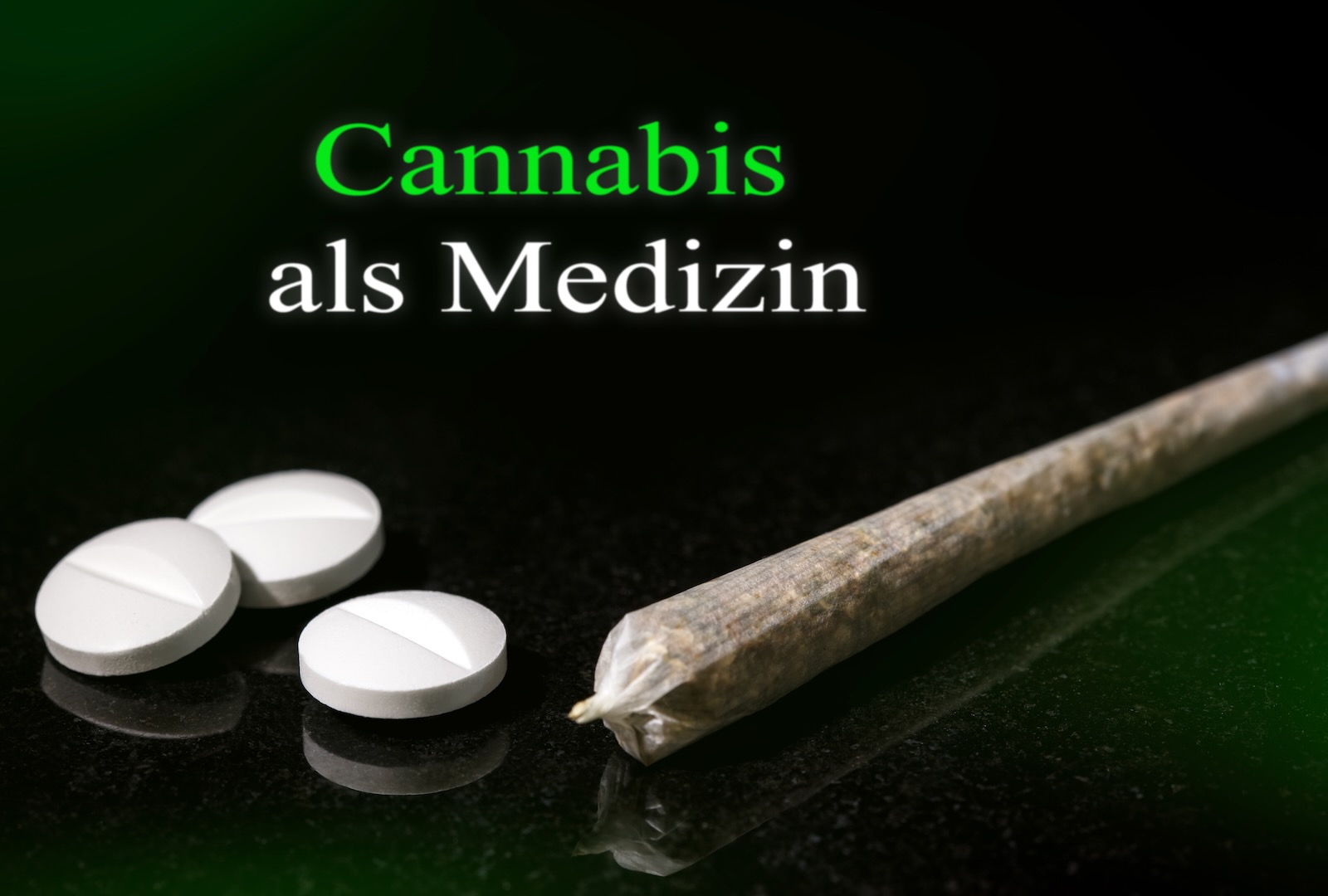
The Federal Court of Justice (BGH) has issued a landmark ruling that is poised to turn the communication strategies of an entire industry on their head: medical cannabis is and remains a prescription-only pharmaceutical product. As such, it is fully subject to the strict advertising prohibition under the Medicinal Products Advertising Act (HWG).
📑 Inhaltsverzeichnis
- What Exactly Did the Federal Court of Justice Decide?
- The Medicinal Products Advertising Act in Detail: What is Prohibited?
- The Legal Divide: Medicine Versus Recreation
- Massive Consequences for Telemedicine and Online Clinics
- Where Is There Still Room for Action?
- Frequently Asked Questions About the BGH Ruling
- 💬 Fragen? Frag den Hanf-Buddy!
This highest court decision carries far-reaching legal and economic consequences for all companies wishing to market therapeutic cannabis products, and abruptly ends a steadily growing legal gray zone in marketing.
What Exactly Did the Federal Court of Justice Decide?
Germany’s supreme civil court has made unmistakably clear that medical flowers and extracts cannot be advertised like conventional consumer goods or lifestyle products. The judges based their ruling centrally on the Medicinal Products Advertising Act. This law categorically prohibits advertising for prescription-only medications to end consumers and patients. The catalyst for this landmark ruling was a legal dispute in which a medical cannabis provider had approached the general public with aggressive marketing measures. The BGH has now definitively classified this approach as unlawful.


Although this ruling may sound logical to pharmaceutical experts, it hits many industry players hard. Since the market was reregulated in April 2024, much of the business community had harbored the false hope that strict pharmaceutical law restrictions would be relaxed, since the plant overall had lost its status as an illegal narcotic. However, the BGH draws a sharp line here: societal liberalization of consumption changes absolutely nothing regarding the strict provisions of pharmaceutical law. What a doctor prescribes remains subject to HWG rules.
The Medicinal Products Advertising Act in Detail: What is Prohibited?
The primary objective of the HWG is patient protection. Consumers are to be protected from making medical decisions based on emotional, sensational, or misleading advertising. For the market with therapeutic cannabis products, this law concretely means that direct advertising directed at potential patients is strictly prohibited.
The now clearly prohibited advertising measures include, among others:
- Large-scale poster campaigns or advertisements in consumer publications.
- Marketing via social networks such as Instagram or TikTok to end consumers.
- Collaboration with influencers for product placement.
- The use of emotional patient testimonials or so-called endorsements as advertising tools.
- Before-and-after comparisons that suggest rapid healing success.
- Discount campaigns or aggressive promotion of specific varieties to end customers.
In the past, many startups and providers had increasingly tested these legal boundaries. With growing social acceptance of the cannabis plant, campaign language often became more flowery, imagery younger, and promises more direct. This legal ice has now definitively broken.
The Legal Divide: Medicine Versus Recreation
Since spring 2024, Germany has existed in two completely separate legal spheres regarding the cannabis plant. On one side is recreational cannabis for adults, which can be obtained through cultivation associations or cultivated in lawful home growing. On the other side is medical cannabis, which as a highly regulated pharmaceutical product is distributed exclusively through pharmacies following physician prescription.
The BGH’s current ruling manifests this strict divide. A company offering medical extracts or flowers operates legally as a pure pharmaceutical enterprise. It must comply with all pharmaceutical industry compliance guidelines. For patients who regularly obtain their medication from pharmacies on physician orders, the ruling changes nothing in daily life. The dramatic changes primarily affect the legal and marketing departments of producers and distributors.
Massive Consequences for Telemedicine and Online Clinics
For the rapidly growing business sector, the court’s ruling is a loud wake-up call. The German medical cannabis market is estimated to reach record volumes of approximately one billion euros for 2025. Competition for patients is accordingly fierce. Any company that has interpreted legal marketing requirements rather loosely in recent months must now fundamentally realign its strategy.
The ruling hits telemedicine platforms particularly hard. In recent times, many had aggressively marketed fast, uncomplicated physician prescriptions on social media. These campaigns often targeted everyday complaints such as mild stress or sleep problems. The BGH makes clear: digital clinics are subject to exactly the same strict advertising prohibitions as any other actor in the prescription drug sector. Violations can be existentially threatening: the law provides sharp instruments such as cease-and-desist notices from competitors, injunction lawsuits from consumer protection associations, and substantial financial penalties.
Where Is There Still Room for Action?
Advertising activities are not completely excluded for producers of medical products, but they are strictly limited to so-called professional communication. This means companies may indeed provide detailed information materials, clinical studies, and specific product details to professional circles such as physicians, pharmacists, and medical nursing staff.
Those offering recreational products, however, operate within a completely different legal framework. The HWG does not apply here. However, this segment is also subject to strict restrictions through general competition law and especially the Youth Protection Act. Cultivation associations are additionally subject to strict statutory communication restrictions that make outdoor advertising and sponsorship in public spaces nearly impossible.
The final message from the supreme judges is simply this: whoever operates in the medical market must necessarily act and communicate as a pharmaceutical entity.
Frequently Asked Questions About the BGH Ruling
What Did the BGH Decide in Its Current Ruling?
The Federal Court of Justice made unmistakably clear that medical cannabis, as a prescription-only pharmaceutical product, falls under the Medicinal Products Advertising Act (HWG). Direct advertising to consumers and patients is thus unlawful.
Is Advertising for Medical Cannabis Permitted in Germany at All?
Any advertising to end consumers is prohibited. The HWG prohibits advertising for prescription-only medications in consumer media. This includes advertisements, social media campaigns, and promotional patient testimonials. Only objective professional communication to physicians and pharmacists is permitted, subject to strict conditions.
Does the Advertising Ban Also Apply to Recreational Cannabis?
No, the Medicinal Products Advertising Act applies exclusively to pharmaceuticals. Recreational cannabis is subject to different legal provisions, particularly the Youth Protection Act and general competition law. Additionally, cultivation associations have their own very strict communication restrictions that severely limit advertising.
What Penalties Threaten Companies That Violate the HWG?
Companies risk expensive cease-and-desist notices, far-reaching injunction lawsuits from competitors or consumer protection associations, and substantial state penalties. The BGH’s ruling now provides plaintiffs with a legally secure basis for corresponding legal proceedings.
Does the BGH Ruling Also Affect Telemedicine Platforms?
Sollte Werbung für medizinisches Cannabis erlaubt sein?
Yes, completely. Insofar as these platforms market prescription-only products or prescriptions themselves, they are subject to exactly the same strict HWG rules as classical pharmaceutical companies. Legally, it makes no difference whether the physician appointment takes place digitally via video or in person at a practice.





Branchen-Update
News, Analysen und Reportagen — mehrmals im Monat direkt in dein Postfach.
Folge uns