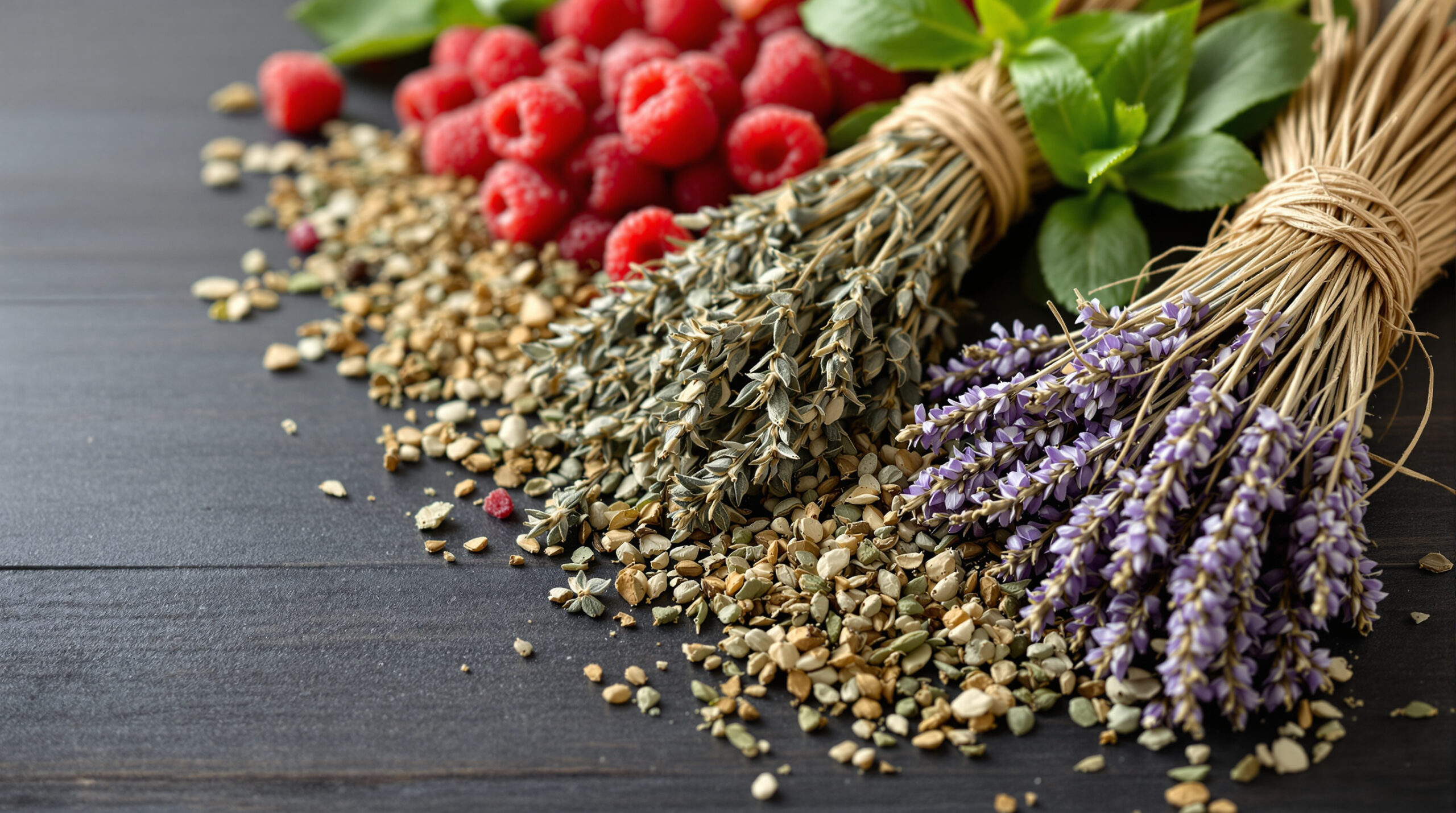
The question of which herbs one can smoke comes up again and again in forums, headshops, and kitchen conversations. Sometimes it’s about a tobacco substitute in a joint, sometimes about a ritualistic smoking blend, sometimes simply out of curiosity about the plant world beyond nicotine. The short answer is: surprisingly many. The honest answer is: far from all of them are harmless, and none of them is strictly healthy. This article categorizes the best-known smoking herbs, explains the botanical background, and clearly identifies where a mild herb becomes a genuine risk.
📑 Inhaltsverzeichnis
- Which herbs can you smoke? The three roles in a blend
- Mild classics: raspberry leaf, peppermint, and sage
- Active herbs with history: damiana, mugwort, and mullein
- Caution advised: coltsfoot, comfrey, and pyrrolizidine alkaloids
- The blind spot: herbal smoke is not healthy either
- Frequently asked questions
- 💬 Fragen? Frag den Hanf-Buddy!
Important note upfront: smokable is not the same as recommendable. Combustion fundamentally produces harmful substances, regardless of whether tobacco, hemp, or a wildflower is smoldering. Anyone who wants to smoke herbs should therefore know what they’re actually lighting up and understand the boundary between enjoyment, tradition, and health hazard.
Which herbs can you smoke? The three roles in a blend
To understand smoking herbs, it’s best to think in terms of functions rather than a long list of names. In a well-designed blend, each herb has a job. The base herb provides the bulk and even smoldering, often mild leaves like raspberry or blackberry leaf that burn almost tasteless and are easy to work with. The active herb brings a noticeable effect, such as a calming or slightly stimulating note. The flavor herb finally adds the aroma—peppermint, lavender, or sage come into play here.


This three-part structure explains why finished herb blends rarely consist of a single plant. A pure active herb would often smolder poorly or taste too intense. Only the combination of astringent, slightly puckering base herbs and aromatic flavor herbs creates a balanced smoke. Those who mix their own blend therefore sensibly start with a mild base herb and supplement carefully. A detailed breakdown of common blends can be found in our article on nicotine-free herbs as a tobacco substitute.
Mild classics: raspberry leaf, peppermint, and sage
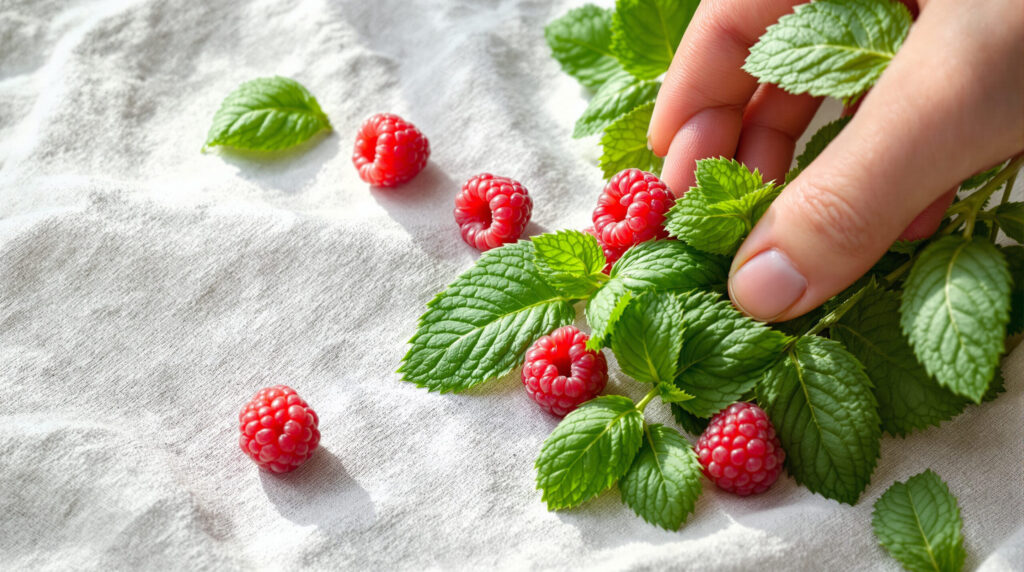
Among the most straightforward smoking herbs are the leaves of raspberry and blackberry. They’re considered the basis of many blends because they smolder evenly, develop only a slightly fruity aroma, and produce no scratchy smoke. Those trying to move away from tobacco find a gentle entry point here, as the mouth feel reminds of familiar smoke without nicotine involved.
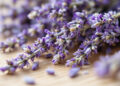
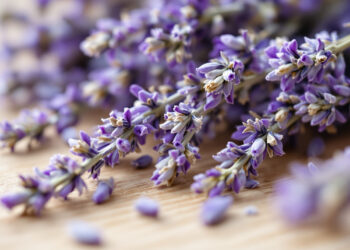
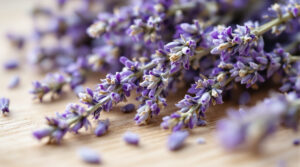
Peppermint brings a cool, refreshing note to any blend and is traditionally associated with promoting digestion. Sage, in turn, is a spicy classic for herbal cigarettes; its slightly earthy flavor gives depth to a blend. Both work well as flavor herbs but should be dosed sparingly, as their aroma can quickly dominate. Lavender supplements this group with a calming, strongly fragrant component that many people find relaxing.
Beyond these classics, other mild aromatic herbs have become established. Chamomile is said to have anxiety and tension-relieving properties and appears in many sleep and relaxation blends. Eucalyptus provides, together with mint, a fresh, almost menthol-like note and is used in some commercial herbal cigarettes. Those beginning to mix should, however, dose such intense aromas only as accents, as they can quickly overwhelm an entire blend. Generally speaking: less is more on a first attempt, and test a new herb solo before incorporating it into a larger blend.
Active herbs with history: damiana, mugwort, and mullein
More exciting, but also requiring explanation, are the herbs credited with their own effects. Damiana is the best-known representative here. The plant has a long ethnobotanical tradition and was used in Central America as a stimulating and mood-lifting tonic, often with the reputation of an aphrodisiac. However, solid clinical studies on these effects are thin, with much relying on tradition and experience reports. As an active herb in blends, damiana remains popular because it smolders well and produces a full smoke.
Mugwort is among the oldest smoking herbs ever and is traditionally called dream herb because it’s credited with a subtle, dream-enhancing effect. Its flavor is finely bitter. Mullein occupies a special role: it’s considered a particularly mild tobacco substitute because its smoke is gentle and is valued in folk medicine for its mucus-loosening and cough-relieving properties. Precisely for this reason, it frequently appears in blends marketed as well-tolerated. Those wanting to delve deeper into the psychoactive aspects of individual plants should note that traditional attribution and scientific evidence are not the same thing.
Caution advised: coltsfoot, comfrey, and pyrrolizidine alkaloids
This is where the relaxed part ends. Some traditionally used smoking herbs contain pyrrolizidine alkaloids, or PA for short. These natural plant compounds serve to defend against herbivores but are problematic for humans. In the liver, they form reactive metabolites that damage genetic material and have caused cancer in animal tests. At higher doses over longer periods, they can cause severe liver damage.
Coltsfoot is particularly affected, historically regarded as a cough-relieving smoking herb. Precisely because of its PA content, it’s now advised against smoking or consuming traditional coltsfoot. In the meantime, there are low-PA cultivated varieties, but when wild harvesting, the content cannot be assessed. The same applies to comfrey and a number of other plants like ragwort or borage. These herbs have no place in a smoking blend unless it’s certain they’re free of pyrrolizidine alkaloids. On this topic, the risk clearly outweighs any perceived benefit.
The blind spot: herbal smoke is not healthy either
The greatest misconception about smoking herbs is the assumption that nicotine-free automatically means harmless. This is only true for the addiction component. When burning plant material, harmful substances are produced regardless of the plant, including carbon monoxide, polycyclic aromatic hydrocarbons, and nitrosamines. A proven health advantage over cigarettes doesn’t exist so far. The decisive difference is that nicotine-free blends don’t cause physical dependence, not that they’re harmless.
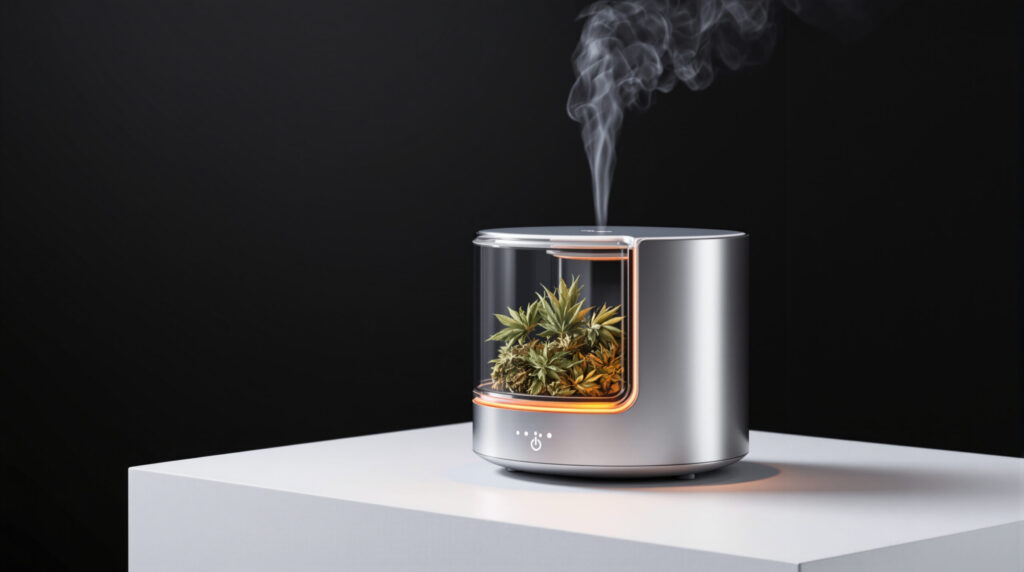
Those wanting to benefit from the positive properties of herbs without the combustion smoke are much better off with a vaporizer. During vaporization, active and flavor compounds are released at a controlled temperature without the material burning, so a large portion of harmful combustion products don’t arise in the first place. How much temperature influences the effect is shown in our article about what happens in a vaporizer at which heat. And for those using smoking herbs mainly as a bridge away from tobacco, our article on quitting smoking with CBD instead of nicotine patches offers another approach.
When sourcing, a second look pays off. Herbs from tested specialty retailers or headshops are checked for purity and free from pesticide residues, while material from unknown sources or your own garden carries residual risk. Those who wild forage need botanical certainty, as confusion with toxic look-alikes are common, especially among composites. Drying also plays a role: only completely dried, mold-free material belongs in a smoking blend, as damp herbs smolder poorly and can release spores.
Frequently asked questions
Which herbs can you safely smoke?
No smoke is completely safe because harmful substances are produced in any combustion. Comparatively well-tolerated are mild herbs like raspberry and blackberry leaves, peppermint, sage, or mullein. They’re not habit-forming and contain no known liver toxins. However, no health advantage over not smoking can be derived from this.
Are nicotine-free herbs healthier than tobacco?
They’re not addictive because nicotine is absent—that’s the real advantage. However, combustion produces the same classes of harmful substances as tobacco, such as carbon monoxide and tar-like compounds. There’s therefore no proven health benefit. Those wanting to spare their lungs should avoid smoking altogether or switch to a vaporizer.
Which herbs should you definitely not smoke?
Steer clear of plants containing pyrrolizidine alkaloids like traditional coltsfoot, comfrey, ragwort, or borage. These compounds are converted in the liver into cell-damaging metabolites and are considered carcinogenic and liver-damaging. Plants from uncertain wild foraging are also risky because contaminant levels can’t be assessed.
What’s the difference between base herb and active herb?
Base herb provides the bulk and even smoldering, usually mild leaves without strong flavor. The active herb brings a noticeable effect, such as a calming or stimulating note, but often smolders poorly on its own. A good blend combines both and supplements them with a flavor herb for aroma.
Can you vaporize smoking herbs instead of smoking them?
Hast du schon einmal andere Kräuter als Tabak geraucht?
Yes, many herbs can be vaporized in a vaporizer, and that’s the gentler option. At controlled temperature, aroma and active compounds are released without the material burning. This prevents a large portion of harmful combustion products from forming in the first place. The appropriate temperature depends on the specific herb.






Branchen-Update
News, Analysen und Reportagen — mehrmals im Monat direkt in dein Postfach.
Folge uns