
Europe’s supply landscape for medicinal plant-based pharmaceuticals is undergoing a phase of massive upheaval. While longtime export nations struggle with regulatory challenges, a new center of power for the production and processing of high-quality medicinal preparations is establishing itself on the Iberian Peninsula.
📑 Inhaltsverzeichnis
Bureaucratic Delays Strain Established Supply Routes
The years 2025 and 2026 marked a turning point for Portugal’s previous role as the main player. Following extensive regulatory actions against allegedly irregular networks, which also affected facilities in North Macedonia, Portuguese authorities have significantly tightened their review processes. This has caused export permit processing times to more than double—from previously around four weeks to over 70 days. This uncertainty in timelines is increasingly prompting international buyers to reconsider their procurement strategies and search for more reliable alternatives within the European Union.
Spain’s Rise as a Strategic Processing Center
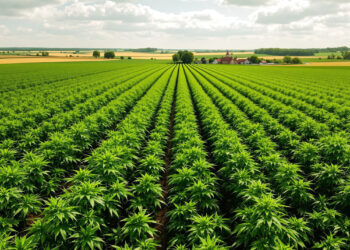
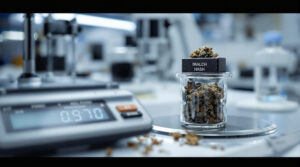
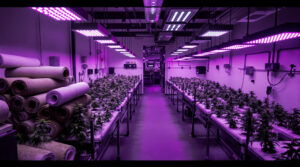
In this dynamic environment, Spain is positioning itself as a serious successor. The country benefits from existing infrastructure of certified EU-GMP facilities and possesses considerable cultivation capacity. Spanish authorities have recently impressed with their rapid response times and clear regulatory frameworks that provide planning security. Industry experts expect that commercial goods flows from Spanish facilities will reach the market as early as the second quarter of 2026. This could quickly elevate Spain to become one of the most important pillars of European pharmaceutical supply.


Supply Stability for German Pharmacies
Despite the turbulence in Portugal, patients in Germany need not fear supply shortages. The system proves to be remarkably resilient, as short-term volume shortfalls can be compensated through imports from overseas, particularly from Canada. In the medium term, the market entry of Spanish producers even offers a major advantage: stronger geographic diversification of supply chains makes the market less dependent on individual production countries and increases overall supply security for local pharmacies.
Quality Standards and Import Requirements
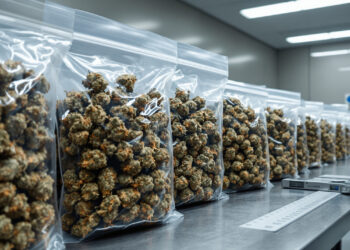
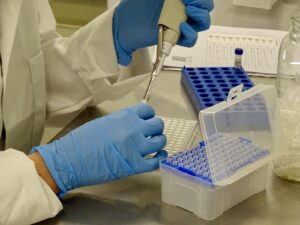
The shift in production focus changes nothing regarding the strict requirements for the German market. The decisive criterion for marketability remains EU-GMP certification. This standard ensures that each batch was produced according to identical, strictly controlled pharmaceutical guidelines. Spanish companies wishing to serve the European market are investing massively in these certifications to guarantee the necessary quality for legal import into Germany. For users, this means consistent therapeutic safety, regardless of country of origin.
Price Developments in the Pharmaceutical Market
The shift in supplier structure could have long-term financial implications for health insurers and private payers. By building large, GMP-certified capacities in Spain, global supply increases. Rising supply combined with more efficient logistics routes within the EU tends to exert downward pressure on procurement prices. Nevertheless, precise forecasting remains difficult, as rising documentation requirements and general production costs also factor into final pricing. What is certain is that competition will be reinvigorated by Spain’s market entry.
Frequently Asked Questions
What role does Spain play as a new processing location?
Spain has established EU-GMP facilities, significant cultivation area, and has recently attracted attention with rapid regulatory responses. First commercial sales from Spanish processing facilities are expected in the second quarter of 2026.
Does this shift impact supply in German pharmacies?
Currently, supply is not at risk. In the short term, Canada and other export countries offset missing Portuguese volumes. Medium-term, strong Spanish supply could even diversify and stabilize supply chains further.
How do you identify high-quality medicinal cannabis from Spain?
The decisive quality marker is EU-GMP certification—it guarantees uniform production and quality standards and is a prerequisite for legal import into Germany. Spanish manufacturers wishing to produce for the European market must meet this standard.
Could this shift influence prices for medicinal cannabis in Germany?
Possibly. If more GMP-certified capacity is built in Spain, supply increases—which can generally have a price-dampening effect. Concrete price effects, however, depend on production costs, regulatory requirements, and demand development and cannot currently be reliably predicted.





Wie wichtig ist dir das Herkunftsland deines medizinischen Cannabis?
Branchen-Update
News, Analysen und Reportagen — mehrmals im Monat direkt in dein Postfach.
Folge uns