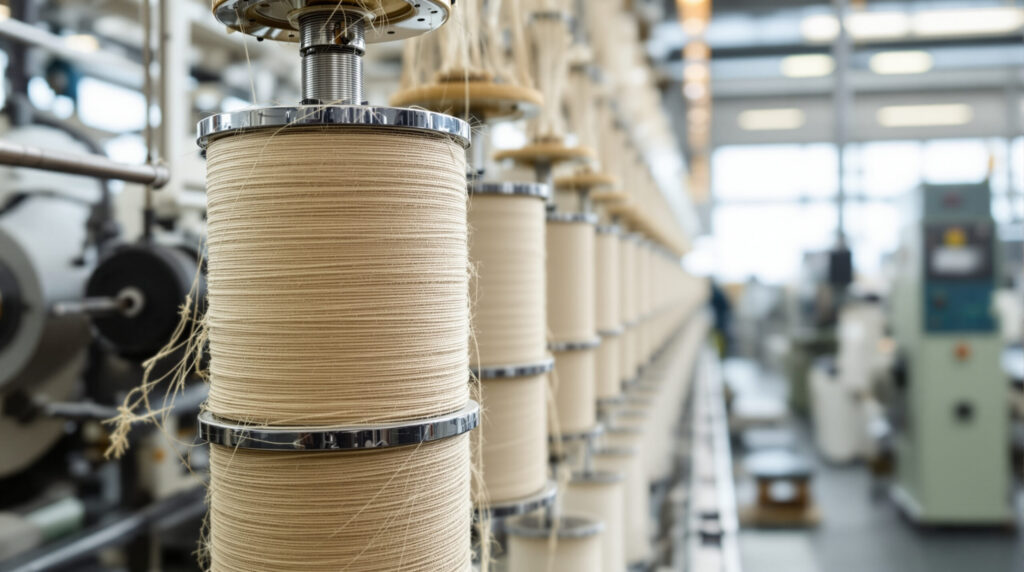
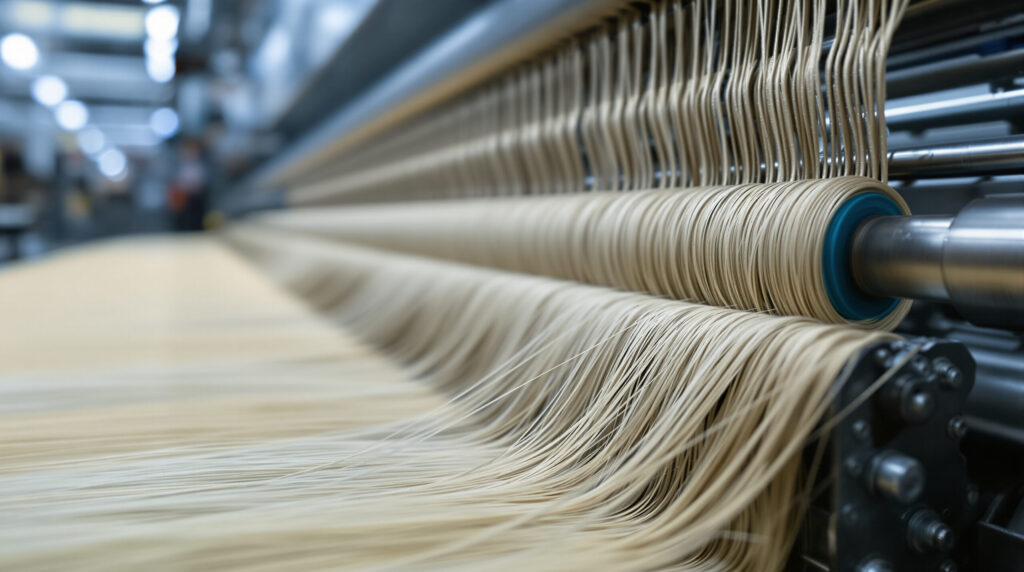
In a spinning mill in northern France, a machine has been running since last year that stood idle for decades. It processes hemp into yarn that subsequently lands on looms originally built for flax. What sounds like an industrial niche is the visible part of a movement that is considerably larger. Clothing made from hemp was the most natural thing in the world for centuries, then almost completely disappeared from wardrobes, and is now making an astonishing comeback. This report traces why the oldest utility fiber of mankind is suddenly in demand again.
📑 Inhaltsverzeichnis
The driving force behind it is not nostalgic. It’s about water scarcity, pesticides, supply chains, and a textile industry under growing pressure to improve its environmental footprint. Hemp provides answers to many of these questions that are remarkably old and yet highly current.
From Sailcloth to Work Pants: A Forgotten Given
Anyone who takes the history of hemp fiber seriously quickly encounters ships. In the 17th century, the fiber experienced its heyday in shipping, where it was processed into ropes and sailcloth. A single larger sailing ship required between 50 and 100 tons of hemp, depending on the source. Christopher Columbus himself is said to have had the sails of his ships made from hemp fibers. The fabric was robust, saltwater-resistant, and could be cultivated in almost any climate zone.


Hemp was also established in everyday clothing. Levi Strauss manufactured his first pants from the material in the mid-19th century, designed as durable work clothing for gold miners in North America. It was precisely this quality that made the fabric valuable: it withstood constant moisture without wearing out. How deeply the fiber is rooted in European cultural history can be traced in our article on hemp fiber from antiquity to modern times.
Hemp was not displaced because it had become inferior. Cotton gained momentum with the mechanization of the 19th century, and later cheap synthetic fibers flooded the market. In many countries, the blanket ban on cannabis cultivation also brought industrial utility hemp into disrepute for decades. The infrastructure for fiber processing was dismantled, knowledge was lost. What remained was a fiber without machinery.
Why Hemp Clothing Convinces Ecologically
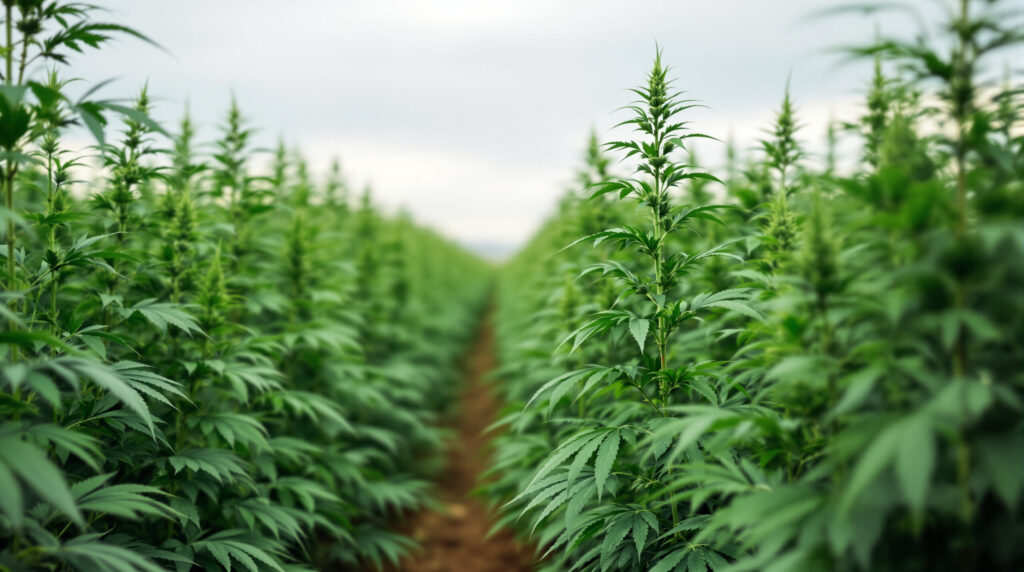
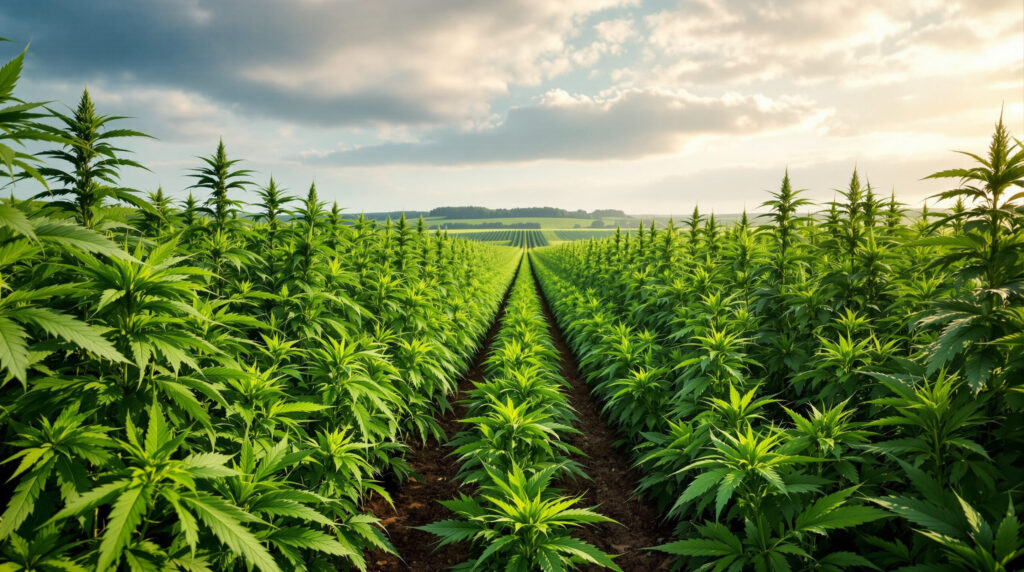
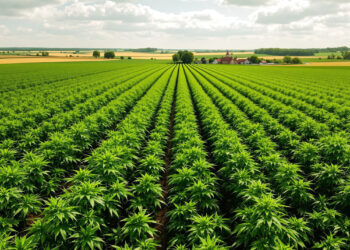
The strongest driver of the comeback is the environmental balance. Hemp requires only about a quarter of the water that conventional cotton demands during cultivation. It grows densely and quickly, shades the soil, and suppresses weeds so effectively that herbicides become largely unnecessary. The plant barely needs pesticides because it is naturally resistant to many pests. On the same area, hemp also yields many times more fiber mass.
There’s also the carbon footprint. During growth, the plant binds considerable amounts of CO2, and some of it remains stored in the fiber. While cotton in many growing regions depends on artificial irrigation and burdens entire river systems, hemp in temperate climates often gets by with rainwater. The direct comparison of both natural fibers comes out in favor of hemp in almost all environmental balance studies, as our detailed comparison of hemp and cotton shows.
The comparison remains honest only if we mention the weaknesses. Pure hemp fibers in their raw form are coarser than cotton, and for fine, soft fabrics, organically grown cotton remains the more pleasant choice. For durable, long-lasting clothing, however, hemp plays its advantages to the full. There’s also a practical effect that many wearers appreciate: the material becomes softer with every wash without losing strength.
The Technical Breakthrough is Called Cottonization
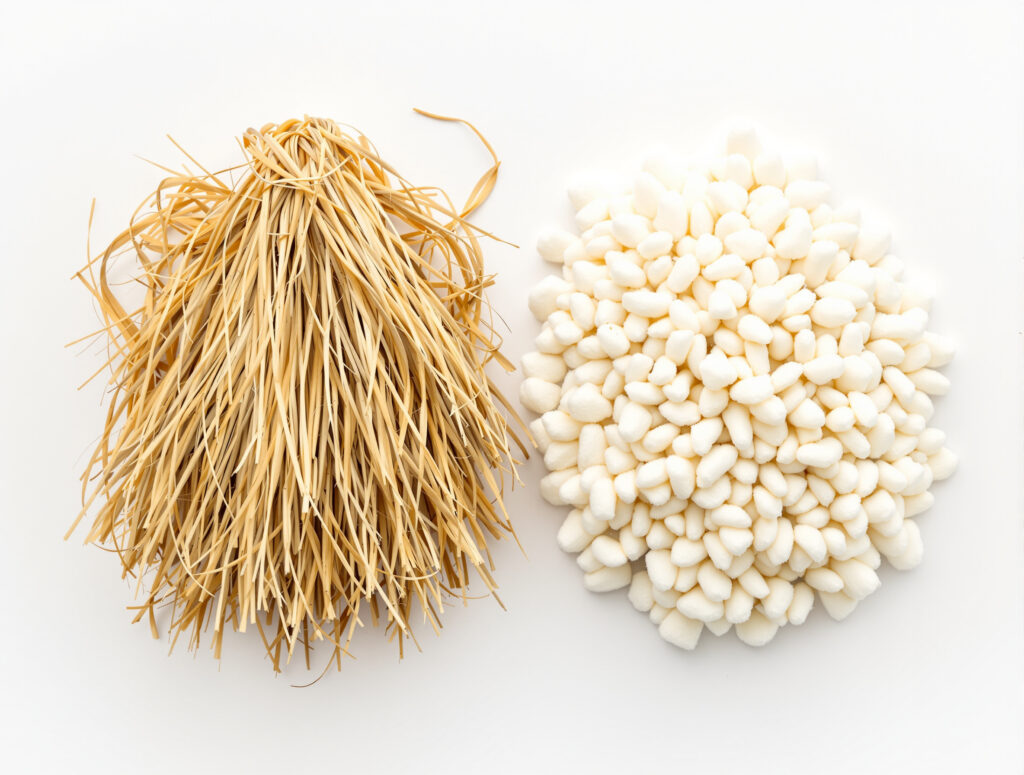
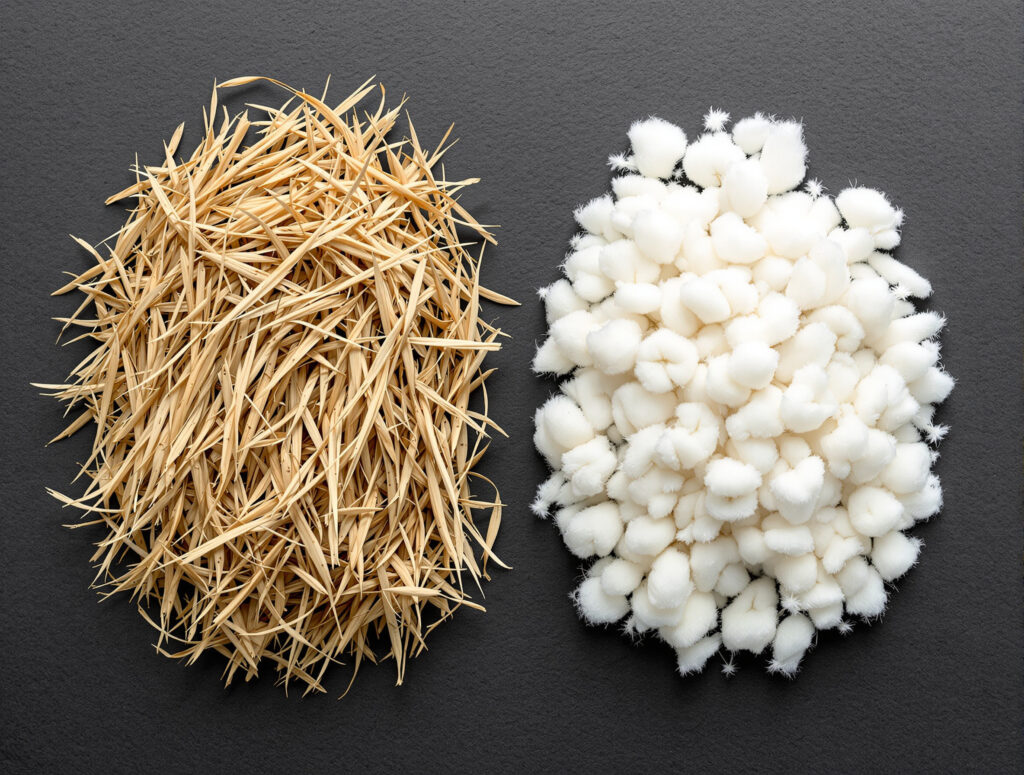
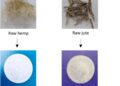
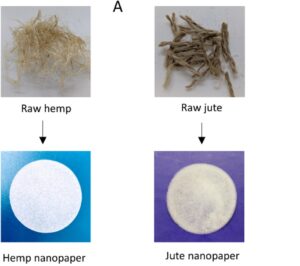
That hemp can break into the mainstream today is due to a process with an unwieldy name. In cottonization, long, stiff hemp fibers are shortened and freed of components like lignin, hemicellulose, and pectin. What remains is a short, supple fiber that feels like cotton and can be processed on conventional spinning machines. Cottonization can be mechanical or chemical, and it is at precisely this point that the sustainability of the entire process is determined.
The charm of this technology lies in its compatibility. Those who use cottonized hemp don’t need to build entirely new factories but can rely on existing equipment. This significantly lowers the entry barrier for brands and spinning mills. Yet here lies the bottleneck, for the mechanical processing of the fiber, the so-called decortication and hackling, requires specialized equipment that in many countries must be rebuilt from scratch.
Our overview on industrial hemp in industry details the role the fiber plays beyond clothing, from insulation materials to composite materials. The textile fiber is just one strand of a much broader raw material.
Europe Rebuilds the Value Chain
The comeback has a geographic center, and it lies in Europe. The acreage used for hemp cultivation in the European Union has risen from around 20,500 hectares in 2015 to approximately 37,700 hectares in 2024, with around 40,000 hectares expected for 2025. France is by far the leader, dedicating approximately 23,600 hectares to the plant in 2024. For comparison: China, the world’s largest producer, cultivated about 65,000 hectares in the same year, with a considerable portion dedicated specifically to textile hemp.
What gives Europe an advantage is the existing flax infrastructure. In northwestern Europe, there are spinning mills and weaving mills built for linen that can be adapted for hemp with manageable effort. Projects like the EU-funded Hemp4Circularity work precisely on this gap and attempt to build a closed chain from field through fiber processing to finished fabric. Established houses like Lemaitre Demeestere, founded in 1835, develop durable hemp-based fabrics.
The market also confirms the trend in numbers. Industry analyses put the global market for hemp clothing at approximately 3.3 billion US dollars for 2025 and expect a volume of over 8 billion by 2035, corresponding to an annual growth rate in the range of ten percent. Individual forecasts vary widely, but the direction is the same across all studies. German processors are still lagging behind, primarily due to lacking infrastructure, a topic openly discussed in the industry itself.
From Niche to Wardrobe
The comeback becomes exciting where it leaves the niche. Specialized brands like the German label Hempage kept hemp textiles alive over the years. Meanwhile, hemp shares are appearing in collections from houses not necessarily associated with sustainable fashion, from sustainably oriented brands like Lanius to names like Esprit or Hugo Boss. The fabric is moving from health food stores into regular retail.
For consumers, this means a wider selection, but also the necessity to look more carefully. Pure hemp fabrics, blends with cotton or Tencel, and chemically versus mechanically cottonized fibers differ significantly in feel and environmental impact. Those who pay attention to fiber content and processing method when purchasing make a more conscious decision than those who simply trust the label.
Ultimately, the comeback of hemp fiber is not a fashion trend, but the return of a plant that never stopped being useful. It was simply forgotten for a time because cheaper alternatives were louder. Rising pressure on water reserves, supply chains, and climate balances bring the old strengths back to the forefront. The machine in the northern French spinning mill thus stands for more than nostalgia. It stands for an industry that is just learning again what it could do all along.
Frequently Asked Questions
Is clothing made from hemp really more sustainable than cotton?
In most environmental balance studies, hemp comes out ahead. It requires only about a quarter of the water of conventional cotton, comes along almost without pesticides, and yields more fiber mass on the same area. For fine, very soft fabrics, organic cotton remains a good alternative, but for durable, robust clothing, hemp clearly leads.
Why did hemp clothing disappear from stores for so long?
With mechanization in the 19th century, cotton took over, and later cheap synthetic fibers were added. In many countries, the blanket cannabis ban also affected industrial utility hemp, so processing infrastructure was dismantled. Only new processes and sustainability pressure have brought the fiber back.
What does cottonization mean for hemp fibers?
In cottonization, long, stiff hemp fibers are shortened and freed of lignin, hemicellulose, and pectin. The result is a short, soft fiber that feels like cotton and can be processed on conventional spinning machines. The process can be mechanical or chemical.
Does clothing made from hemp scratch the skin?
Raw hemp fibers are coarser than cotton, but modern processing and cottonized fibers make the fabrics significantly softer. Hemp clothing also becomes more pleasant with every wash without losing durability. Blends with cotton or Tencel enhance this effect.
Where is hemp for textiles grown in Europe?
Hast du schon einmal Kleidung aus Hanf getragen?
France is by far the largest European producer with approximately 23,600 hectares in 2024, followed by countries like Germany and the Netherlands. The total EU growing area was approximately 37,700 hectares in 2024 and continues to grow. Europe’s advantage is the existing flax infrastructure that can also be used for hemp.






Branchen-Update
News, Analysen und Reportagen — mehrmals im Monat direkt in dein Postfach.
Folge uns