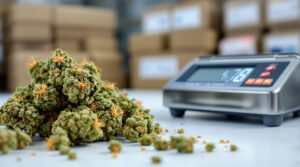
The figures from the birthplace of modern legalization speak volumes: In 2025, Canada’s legal hemp product market has surpassed the historic $5.5 billion mark for the first time. This continues a trend that has captured attention far beyond North American borders.
📑 Inhaltsverzeichnis
As revenues from the plant reach new heights, the alcohol industry is experiencing an unprecedented decline. This structural shift in consumer leisure habits provides crucial insights for the global debate on regulation and public health.
Growth Drivers: Diversity and Quality
According to market analysts, the climb to over $5.5 billion in revenue stems less from an increasing number of consumers and more from a massive shift within the market itself. Canada’s illegal sector has become almost entirely marginalized. Over 80 percent of consumers source their products exclusively through licensed specialty retailers.


Another decisive factor is product diversity. While dried flowers dominated the market in the early years following legalization, processed products now represent a significant share. Cannabis-infused beverages, edibles, and highly concentrated extracts are particularly driving revenue growth. Canadian consumers appreciate the transparency in ingredient listings and guaranteed purity that only the legal market can provide.
Cultural Shift at the Counter: Hemp Displaces Alcohol
Particularly significant for the economy and public health policy is the correlation between the plant’s success and weakening alcohol sales. In provinces like Ontario and British Columbia, beer and spirits revenues declined nearly 7 percent year-over-year. Simultaneously, spending on legal cannabis products in the same period rose by approximately 12 percent.
This trend points to a profound social transformation. More and more Canadians are choosing hemp as a substitute for alcoholic beverages—a phenomenon experts call the substitution effect. Particularly among the 25-to-40 age group, hemp is increasingly perceived as the healthier or at least lower-risk alternative to alcohol. Social stigmas are fading while acceptance for controlled consumption in daily life grows.
Economic Impact and Tax Revenue
The $5.5 billion in revenue is also a blessing for the Canadian state. Tax revenue from production and sales flows directly into social projects, educational programs, and addiction prevention. In 2025, hundreds of millions of dollars in additional funding were generated for public healthcare. Additionally, the industry has created tens of thousands of secure jobs—from highly specialized greenhouse cultivation to modern retail operations.
Interestingly, the high market saturation in Canada has forced companies to increase their efficiency. Consumer prices have remained stable or even declined in some cases, further pressuring the black market. The Canadian market is today considered the world’s most mature and serves as a blueprint for many European countries considering similar paths.
Lessons for the International Market
Canada’s 2025 success story demonstrates that consistent regulation works. The enormous $5.5 billion revenue proves that a legal framework can dry up criminal networks while simultaneously generating significant economic benefits.
For Germany and other European countries, developments in Canada provide important arguments. The fear of uncontrolled consumption growth has not materialized; instead, we are witnessing a shift away from hard leisure products like alcohol toward a regulated hemp product market. In 2025, Canada has impressively demonstrated that the plant has arrived in the mainstream of society and occupies a permanent, economically significant place there.
How do you assess the trend of hemp increasingly taking alcohol’s place—is this a development you expect to see in the German market on a similar scale?










Könnte Cannabis bei dir Alkohol als Genussmittel ersetzen?
Branchen-Update
News, Analysen und Reportagen — mehrmals im Monat direkt in dein Postfach.