Smoking cannabis is one of the most familiar forms of consumption for many people, and yet there is more to this simple term than meets the eye. Since the partial legalization in Germany in April 2024, adults are allowed to legally purchase and consume cannabis, and the question of how to smoke cannabis best arises equally for newcomers and experienced consumers.
📑 Inhaltsverzeichnis
- The Joint: Craftsmanship, Culture, and Rolling Technique
- Bong and Pipe: Water Filtration, Glass, and Immediate Effects
- Vaporizers: When Smoking Cannabis Isn’t Actually Smoking
- The Right Accessories: What’s Actually Necessary
- Safer Use: Smoking Cannabis Responsibly
- Which Strain Fits Which Consumption Style?
- Frequently Asked Questions
- 💬 Fragen? Frag den Hanf-Buddy!
Which method suits your own lifestyle? What accessories do you really need? And how can you combine enjoyment with as little risk as possible? This guide provides well-founded answers, without glorification and without embellishment. Cannabis is a substance with real potential and real risks. Those who understand this and act accordingly consume more consciously. Here you’ll learn everything about joints, bongs, pipes, and vaporizers, about the right accessories, about safer use principles, and about the questions beginners ask most frequently.
The Joint: Craftsmanship, Culture, and Rolling Technique
The joint is the epitome of cannabis consumption. It appears in films, books, and music videos, and in reality it’s the first point of contact with smoking cannabis for most people. Yet a well-rolled joint is not a random product, but the result of practice, patience, and the right materials. To roll a joint, you basically need three things: ground cannabis, rolling papers, and a filter tip that serves as a mouthpiece.


The first step is grinding the cannabis. A good grinder ensures the material is evenly crushed, neither too coarse nor too fine. Chunks that are too large burn unevenly and are difficult to roll, powder that’s too fine clogs the draw and produces harsh, unpleasant smoke. The right ground material has a loose, crumbly consistency that shapes well and ensures even burning.
The filter tip, also called a tip or crutch, goes at the mouthpiece of the joint. It prevents plant material from entering the mouth, gives the joint stability, and allows you to smoke it to the end without burning your fingers. Those who roll a spliff, a joint mixed with tobacco, should be aware that the combination of cannabis and tobacco significantly increases risks to the respiratory tract. While tobacco provides nicotine, which eases the transition for many, it creates long-term dependence and additionally stresses the lungs. Research clearly shows that mixed consumption of cannabis and tobacco is associated with an increased risk of respiratory diseases.
Rolling itself is a matter of technique. Place the paper with the sticky side up, position the filter tip at one end, and distribute the cannabis evenly along the paper. Then gently shape the contents with your fingers into a cylindrical form, roll the paper from the filter tip forward and finally from bottom to top. The adhesive edge is slightly dampened and pressed down. A joint rolled too loosely won’t draw evenly and can go out, one rolled too tightly is barely inhalable. Practice makes perfect, and that’s no cliché.
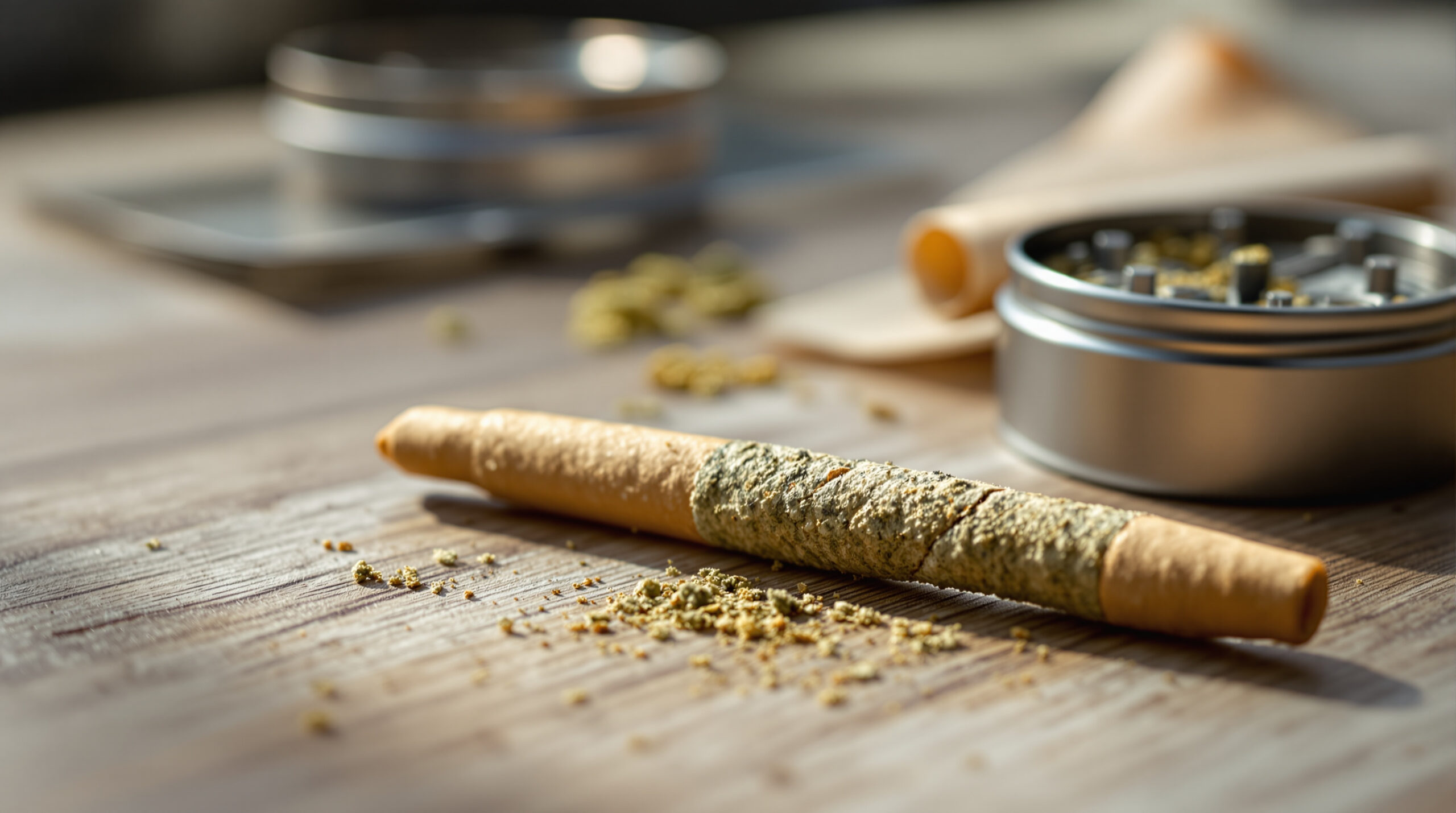
Those who want to skip tobacco can roll pure cannabis or fill it with hemp granulate, which contains no psychoactive substances but improves burning properties. Alternatively, pre-made cones offer an easier entry point for those who haven’t yet developed rolling skills. The cannabis is simply pressed into the ready-made wrapper and the tip is twisted shut.
Advanced users experiment with cross joints, tulip joints, or diamond-shaped rolls that require craftsmanship. For everyday use, a solid standard joint is perfectly sufficient. More important than the shape is the quality of the material and knowledge about what you’re consuming.
Bong and Pipe: Water Filtration, Glass, and Immediate Effects
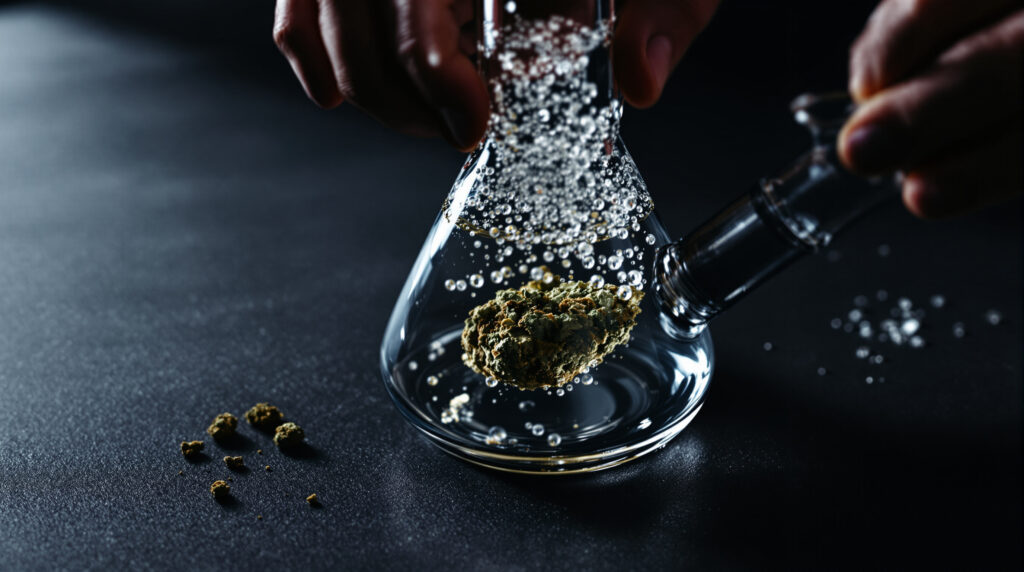
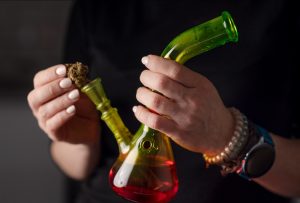
The bong is the second great symbol of cannabis consumption, and its function is fundamentally simple: cannabis is burned in a chillum, the bowl attached to the side. The resulting smoke passes through a water reservoir, is cooled in the process, and enters the lungs through the mouthpiece. The water filters out coarse particles and ensures the smoke feels more pleasant than a joint, which hits direct and unmediated.
Bongs come in countless variations, from small tabletop acrylic models to handcrafted glass bongs with multiple percolation stages. Glass is considered the preferred material among connoisseurs because it releases no harmful substances, is easy to clean, and brings out the cannabis’s natural flavor best. Cheap plastic bongs can release unwanted substances when heated and aren’t a good choice for regular use in the long term.
A key difference from pipes: the bong allows for larger draws at once, which makes the effect more intense and sets in faster. For beginners, this is a trap, because taking in too much at once risks an unpleasant high accompanied by dizziness, nausea, and panic feelings. Less is more here, especially at first. Half a bowl and a calm, steady breath are enough to get to know the effects of a new strain.
Cannabis pipes work on the same principle as bongs, just without a water filter. The cannabis is placed in the bowl of the pipe, lit, and the smoke is inhaled directly. Pipes are more compact, easier to carry, and cheaper to buy. In return, the smoke is hotter and harsher than with a bong. Cleaning is mandatory for both devices: dirty bongs and pipes are not only hygienically questionable, they also significantly alter the taste for the worse and can harbor pathogens like mold and bacteria.
Those seeking immediate effects when smoking cannabis and wanting to avoid tobacco will find a good option in the bong or pipe. It’s important to keep the dose low until you develop a feel for your own tolerance. Learn more about the health aspects of intense inhalation methods in our article on cannabis dabbing and the risks to the lungs.
Vaporizers: When Smoking Cannabis Isn’t Actually Smoking
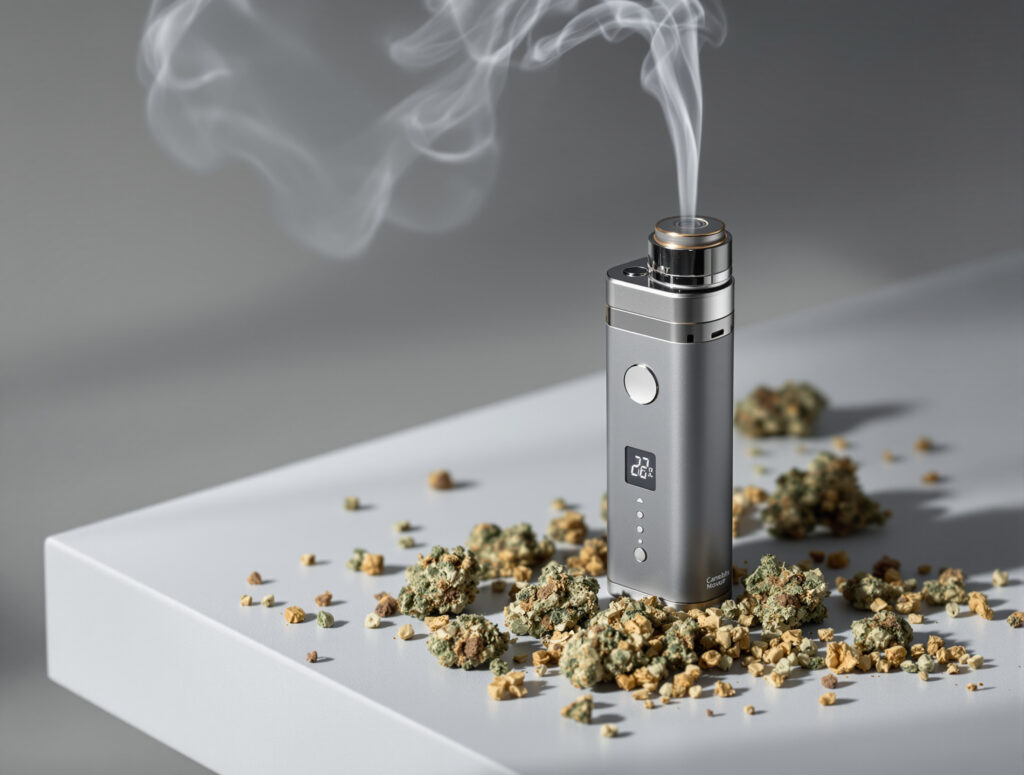
Technically speaking, a vaporizer produces no smoke, but vapor, and that’s no small thing. While burning cannabis creates temperatures of 800 to 900 degrees Celsius and releases hundreds of combustion byproducts, vaporizers heat the material to 160 to 220 degrees Celsius. In this temperature range, cannabinoids and terpenes evaporate without the plant material itself burning. The result is cleaner, cooler vapor with significantly fewer harmful substances.
Studies show that vaporizers produce less carbon monoxide, tar, and benzene compared to direct smoking. At the same time, cannabinoid yield is higher: while smoking a joint loses up to 60 percent of active compounds, high-quality vaporizers can extract 80 to 90 percent of available cannabinoids. This means you need less material for the same effect, which also saves costs in the long run.
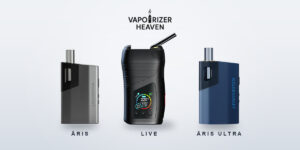
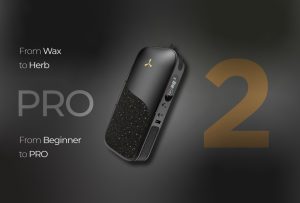
Vaporizers are not all the same. Desktop devices like the Volcano by Storz & Bickel, a German manufacturer with world reputation, produce consistent, temperature-controlled vapor and are considered the gold standard for home use. Portable vaporizers can be used on the go, but are usually more expensive than simple disposable solutions. Pen vaporizers that process cannabis concentrates or oils are also available, but involve a different consumption experience that requires more knowledge about extracts and temperatures.
Choosing the right temperature significantly influences taste profile and effects. At lower temperatures, between 160 and 175 degrees, terpenes and lighter cannabinoids dominate, the vapor tastes aromatic, and the effect is clearer and more cerebral. At higher temperatures, between 185 and 220 degrees, more THC and heavier compounds are released, the effect becomes more physical and relaxing. Those who value control over their consumption will find the vaporizer the most precise tool for smoking cannabis.
Learn more about the philosophy behind German vaporizer innovations and what experts say about the vaporization ritual in our article on Storz & Bickel and the perfect vaporization ritual.
The Right Accessories: What’s Actually Necessary
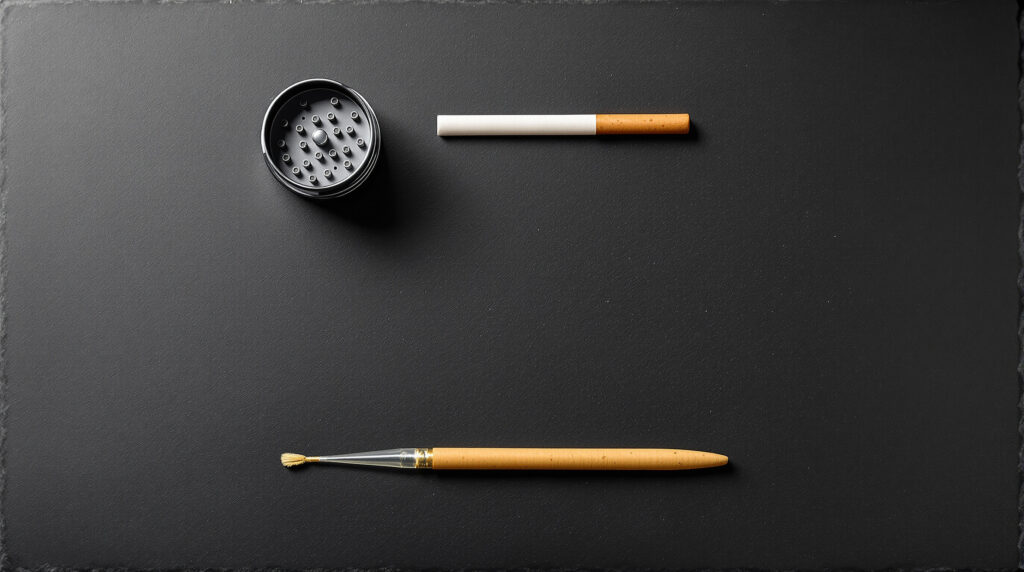
Smoking cannabis without the right accessories is like cooking without knives. You get to the destination somehow, but the path is harder and the result worse. Which accessories really make a difference and what you can skip is a question beginners ask regularly.
The grinder comes first. A high-quality grinder evenly grinds cannabis, preserves valuable trichomes in the process, and usually features an additional chamber for the so-called kief, the crystalline glandular heads of the cannabis plant. Cheap grinders made of thin plastic crush the material rather than grinding it, which significantly impairs smoking quality. For those who want to know more about grinding methods, our grinder guide provides detailed purchasing recommendations and care tips.
Rolling papers come in various materials and sizes. Classic cigarette papers made from wood cellulose are most widespread, but many consumers prefer unbleached or biodegradable paper. Rice papers burn slower and impart less of their own flavor. Hemp papers, naturally, fit the theme perfectly and have good draw quality. Size determines how much fill the joint holds: kingsize papers are easier for beginners to handle since they provide more rolling space.
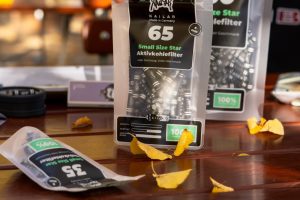
Filters, called tips or crutches in English, are thin cardboard strips placed at the joint’s mouthpiece. Ready-made filter tips are available in nearly every headshop and can also be cut yourself from business cards or cardboard. A filter not only improves hygiene and comfort, it also gives the joint stability and prevents unwanted tunneling, where cannabis at one spot burns faster than elsewhere.
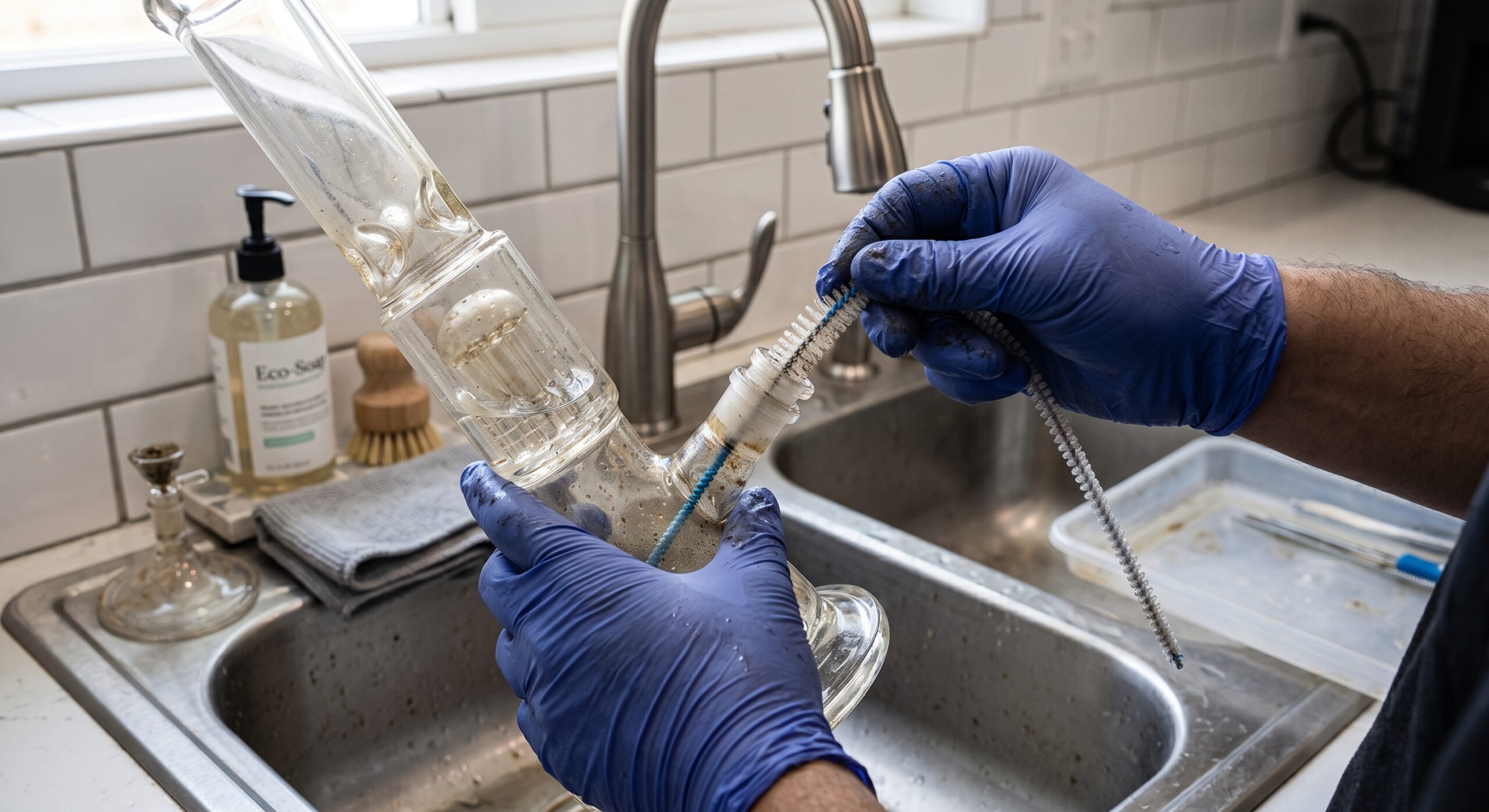
For bong users, a good cleaning kit is mandatory. Bong cleaners based on isopropyl alcohol or special cleaning solutions from the headshop effectively dissolve resin buildup and keep the device hygienic. Those who at least rinse their bong with hot water after each session significantly reduce dirt accumulation and extend the device’s lifespan.
Storage is an often underestimated topic. Cannabis dries out if it contains too little moisture and molds if stored too wet. Airtight glass containers with humidity regulation pads maintain the optimal level. UV protection also plays a role, since light breaks down cannabinoids and impairs quality over time. A cool, dark place is the best choice for long-term storage.
Safer Use: Smoking Cannabis Responsibly
Cannabis is not a harmless substance, even if social acceptance has increased in recent years. Those who smoke cannabis should do so with awareness of their own health. Safer use doesn’t mean abstinence, but conscious, informed consumption that knows and minimizes risks.
The most important safer use principle when smoking: avoid tobacco. Many consumers mix cannabis with tobacco to roll the joint better or save money. Yet tobacco is the most problematic part of this mixture. Nicotine is addictive, tobacco smoke contains carcinogenic substances, and the combination of both stresses the respiratory tract more than cannabis alone. Those who want to avoid tobacco but have difficulty rolling pure cannabis will find alternatives in hemp granulate or pre-rolled cones. Our article on the risks of mixing cannabis and tobacco describes the health consequences.
Dosage and tolerance are the second major issue. Those who consume rarely have low tolerance, meaning small amounts can already produce strong effects. Effects when smoking set in within minutes, an important difference from edible cannabis products where effects appear only after hours. When smoking, dose can be well controlled: take some draws, wait, then decide if more is needed.
The endocannabinoid system plays a central role here. It regulates how the body responds to cannabinoids, and its sensitivity varies greatly from person to person. Genetics, body weight, cannabis experience, and current mood all influence how a particular dose affects you. For those wanting to understand the biological foundations better, our foundational text on the endocannabinoid system provides an accessible introduction.
Cannabis consumption and driving is an absolute no-go. THC is detectable in blood for hours after consumption, and driving ability is impaired after smoking cannabis. The legal situation in Germany is clear: cannabis consumption and driving a vehicle are incompatible, regardless of how long ago the last consumption was. Those who depend on a driver’s license for work should be particularly careful, as employers in certain sectors can conduct drug tests.
Taking breaks is another important safer use principle. Regular daily consumption can change the sensitivity of the endocannabinoid system and lead to psychological dependence, where smoking cannabis becomes necessary for normal wellbeing. Those who notice they can’t sleep, relax, or manage stress well without cannabis should take this seriously. Cannabis counseling services are free and confidential.
Which Strain Fits Which Consumption Style?
Not every cannabis strain fits every consumption moment. Someone wanting to relax on the couch and fall asleep needs a different strain than someone wanting to work creatively or listen to music. The interaction of THC content, CBD ratio, and terpene profile determines the nature of effects, and this interaction is more complex than pure THC content suggests.
Sativa-dominant strains, historically associated with highland varieties near the equator, often have a terpene profile with high levels of limonene, pinene, and beta-caryophyllene. These terpenes are associated with a cerebral, uplifting effect and suit daytime use. Indica-dominant strains, which tend to come from mountainous regions, often contain more myrcene and linalool, terpenes that can have relaxing and sedating effects, and suit evening use or relaxation after a long day.
Hybrid strains, which dominate the market today, combine properties of both phenotypes. Those consuming medical cannabis have even more control over what they consume through precise analysis certificates. Those using legally purchased recreational cannabis should at least know the origin and strain designation. Our comprehensive strain guide 2026 provides an overview of the most popular strains and their properties. For those wanting to dive deeper into the world of aromatic compounds, our article on the 20 most important cannabis terpenes offers detailed information.
The consumption device also influences which terpenes you perceive. Low vaporizer temperatures preserve more volatile aromatics than high-temperature combustion in a joint. Those wanting to experience the full flavor of a high-quality strain do better with a vaporizer or good glass bong than with a tobacco spliff, whose own flavor masks the aroma profile.
Timing also matters. Smoking cannabis in the morning or during the day before demanding tasks is counterproductive in most cases. Evening sessions after work is done, in relaxed company, or while enjoying music and film – that’s the context where cannabis shows its best side without affecting the day’s important things.
Frequently Asked Questions
How much cannabis do you need for a joint?
A standard joint contains between 0.5 and 1 gram of cannabis depending on consumption habits and paper format. Beginners should start with less, for example 0.3 to 0.5 grams, and not smoke the entire joint at once. Effects when smoking set in quickly, so you can easily gauge when desired intensity is reached.
Is smoking cannabis in a bong healthier than a joint?
Not really. The bong’s water filter cools the smoke and filters out coarse particles, but doesn’t make it substantially less harmful. Most harmful substances in cannabis smoke, including tar and carbon monoxide, pass through the water filter easily. Those wanting to consume health-consciously are much better served by a vaporizer than by a bong or joint.
How long do the effects last when smoking cannabis?
Effects usually set in within 5 to 15 minutes of smoking and peak after 30 to 60 minutes. Total duration depending on strain, dose, and individual tolerance is between 2 and 4 hours. THC can be detected in blood much longer, which is relevant to driving ability and possible work consequences.
Can you smoke cannabis and function normally the next day?
This depends heavily on strain, dose, and personal tolerance. Many people consume cannabis in the evening and are fully able to work the next day without limitations. However, regular high doses can impair cognitive functions like short-term memory and concentration, especially with daily consumption. Those who don’t want to risk work or social impairment should clearly limit consumption in time and amount.
What to do if you’ve smoked too much?
Wie rauchst du Gras am häufigsten?
An overly strong cannabis high, also called greening out, is unpleasant but not dangerous. Common symptoms are dizziness, heart racing, nausea, and feelings of anxiety. Helpful measures: go outside, lie down, drink water or fruit juice, and listen to calm music. CBD can reduce THC effects, so having a CBD product on hand is a good precaution. Greening out passes on its own, usually within one to two hours.




Branchen-Update
News, Analysen und Reportagen — mehrmals im Monat direkt in dein Postfach.
Folge uns