Imagine the year 2030. Packaging made from biodegradable hemp fibers replaces single-use plastic in supermarkets. Residential buildings are largely constructed from CO₂-negative hempcrete. Car interiors are no longer clad with fiberglass mats or PVC, but with regional hemp composites. And on construction sites, geotextiles are deployed that decompose in the soil after their purpose is fulfilled, leaving no residue behind.
📑 Inhaltsverzeichnis
- More Than a Hype: The Underestimated Versatility of Hemp Fiber
- Infrastructure as a Bottleneck: Where It Still Stalls
- Research: The Technology Is There – and Developing Rapidly
- Packaging Without Plastic: Hemp as a Game Changer?
- Health, Hygiene, Medicine: Hemp in Sensitive Areas
- 2030: What Would Be Possible – With Foresight and Courage
- What’s Needed Now: The Five Keys to Breakthrough
- Hemp Is Not the Plant of the Future – But of the Present
- Frequently Asked Questions About Industrial Hemp
- 💬 Fragen? Frag den Hanf-Buddy!
This future is no utopia. The technologies, knowledge, and applications already exist – only their implementation is lagging. Hemp fiber is ready to transform industrial processes. The question is: When will we be ready to grant it this role?
More Than a Hype: The Underestimated Versatility of Hemp Fiber
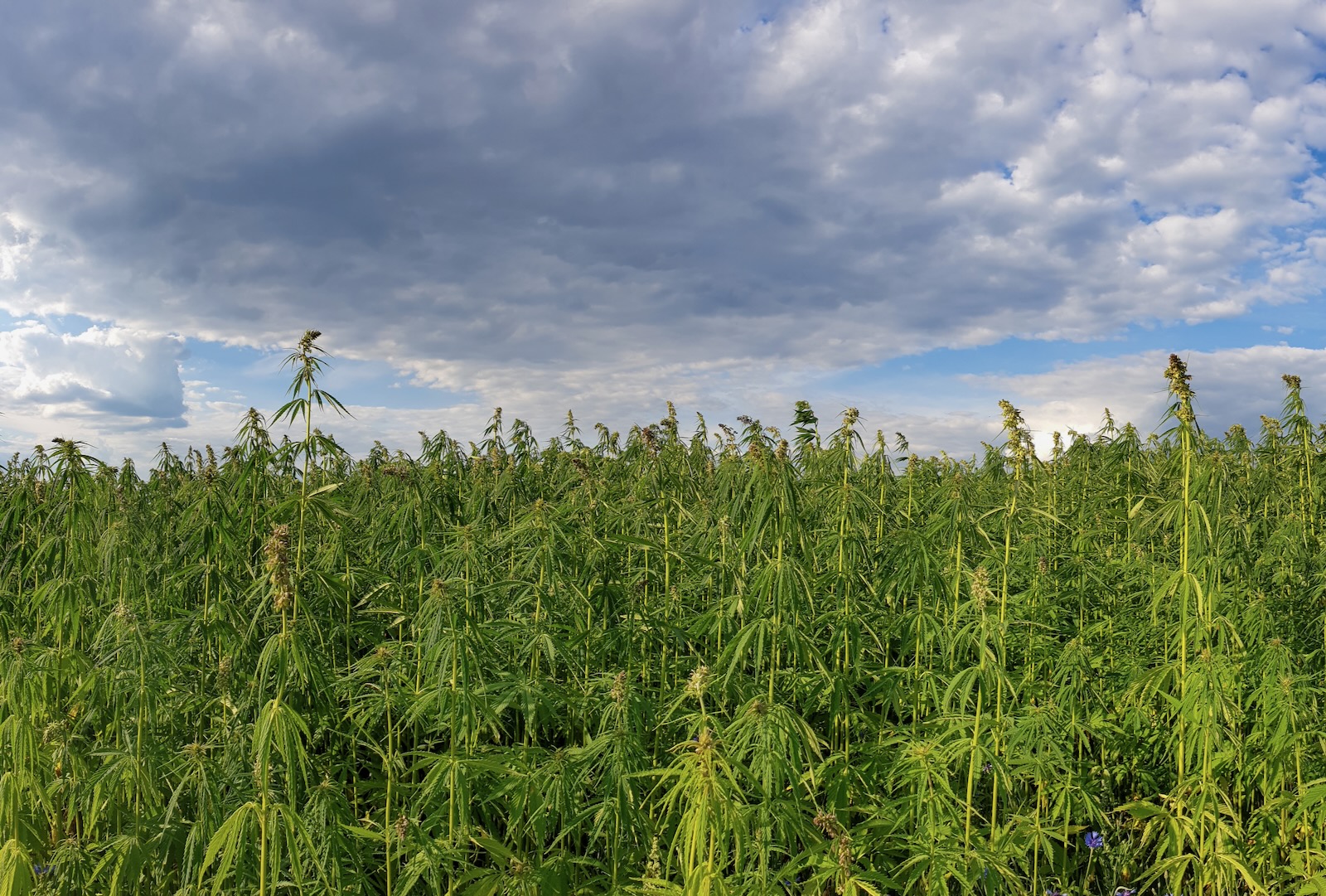
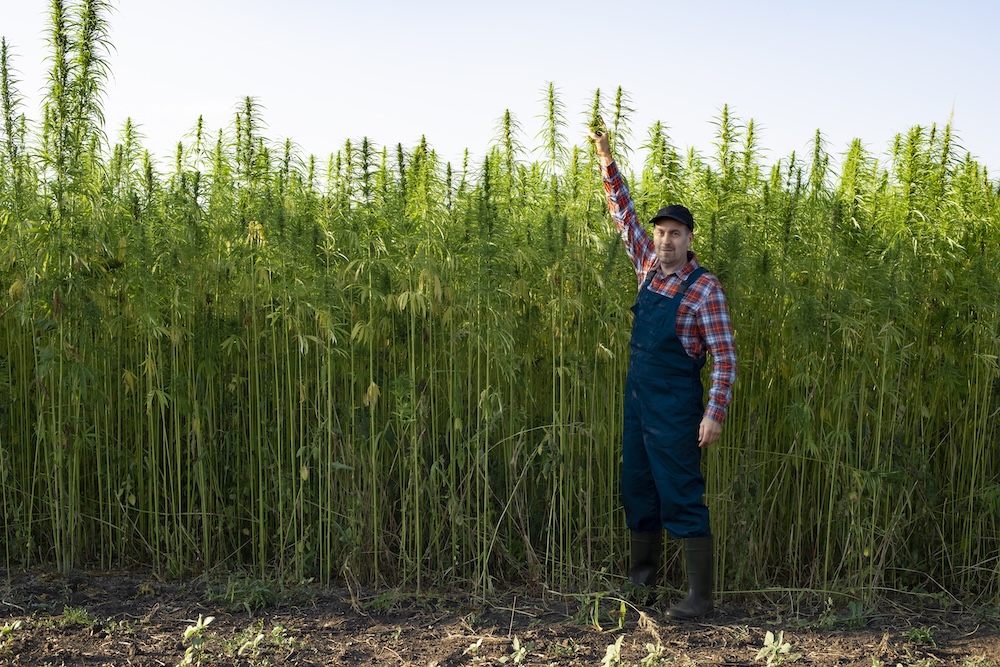
Hemp fiber is robust, durable, breathable, mold-resistant, and biodegradable. It grows quickly, binds CO₂ as it grows, requires neither pesticides nor herbicides, and improves soil structure through deep roots. What sounds like a miracle material is actually an ancient raw material – interpreted in modern ways.


Unlike other natural fibers like cotton or flax, hemp excels in technical applications: it can be incorporated into biocomposites, is suitable for insulation materials, packaging, textiles, paper, hygiene products, and even as reinforcement material in construction. Yet in 2025, hemp is grown in Germany on comparatively small areas, and only a fraction of the fiber ends up in industrial applications. Why?
Infrastructure as a Bottleneck: Where It Still Stalls
One of the greatest obstacles to the hemp industry is the lack of processing infrastructure. To manufacture technical products from hemp fibers, decortication plants are needed (to separate fibers and shives), spinning mills, finishing facilities, and specialized machines for further processing.
In countries like France or the Netherlands, this chain already exists. There, hempcrete residential complexes and large-scale fields with targeted fiber cultivation are currently being developed. In Germany, however, expansion is sluggish. Farmers would be interested in growing hemp – but only if there are buyers. Processors, meanwhile, require constant quantities in standardized quality – which doesn’t yet exist. A classic chicken-and-egg problem. Without coordinated support, investment in technology, and market-oriented research, hemp fiber remains a raw material with great promise but limited impact.
Research: The Technology Is There – and Developing Rapidly
Yet progress in science and development is enormous. Research institutes like the Fraunhofer WKI, Hohenheim University, and international universities in Canada and Australia are working on new fiber processing methods, hemp-based biopolymers, and hemp-plastic composites with high recycling potential.
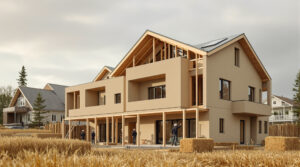
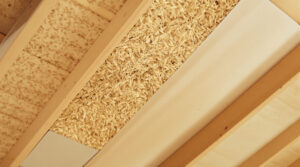
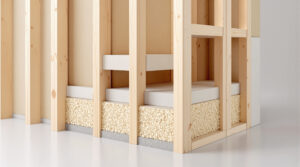
One example: hempcrete is a composite of hemp shives, lime, and water. The building material is lightweight, breathable, fire-resistant, and CO₂-negative – because the lime permanently binds CO₂, while hemp absorbs carbon dioxide as it grows. In France, entire residential buildings are being constructed from it with excellent indoor air quality.
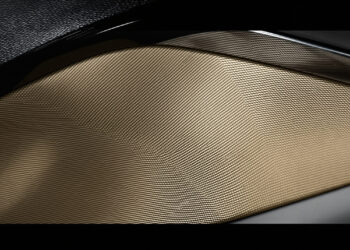
The automotive industry is also running trials with hemp fiber mats as replacements for fiberglass and PVC – lighter, stronger, biodegradable. BMW and Mercedes-Benz already use hemp in interior trim. Weight savings increase energy efficiency – particularly relevant for electric vehicles.
Packaging Without Plastic: Hemp as a Game Changer?
The packaging industry is desperately seeking alternatives to plastic. Bio-based materials are in high demand – but many of them are energy-intensive or difficult to compost. Hemp offers advantages here: the shives are suitable for stable cardboard boxes, paper, or trays. Initial pilot projects show that hemp packaging is usable in food retail, cosmetics, and mail-order commerce.
Companies like PaperWise, GreenBox, and Notpla are currently developing prototypes from hemp materials. Costs are still high – but this is mainly due to the lack of industrial scaling. With growing production, hemp could become price-competitive as well.
Health, Hygiene, Medicine: Hemp in Sensitive Areas
An underestimated area is the use of hemp in the health and hygiene industry. The antibacterial and hypoallergenic properties of the fibers make them ideal materials for bandages, wound dressings, incontinence products, or feminine hygiene articles.
Particularly exciting: unlike synthetic nonwovens made from petroleum, hemp is biodegradable. Hospitals, care facilities, and manufacturers could leave an ecological footprint with hemp that doesn’t come at the cost of hygiene.
Textile start-ups are also increasingly turning to hemp as a sustainable alternative to cotton – with better environmental credentials and greater durability.
2030: What Would Be Possible – With Foresight and Courage
So what would be possible in five years if the right decisions were made today?
- Hempcrete could be integrated as a CO₂-reducing building material in every new construction project – especially in municipal buildings, schools, or kindergartens.
- Hemp composites could increasingly replace fiberglass in the automotive industry – not only in the luxury segment, but also in mid-range models.
- Hemp packaging could broadly displace plastic packaging in retail – from supermarkets to online commerce.
- Medical textiles based on hemp could become part of sustainable procurement policies in hospitals.
- Regional hemp cycles could emerge – from field to product, with short transport routes, local value creation, and climate-efficient production.
But all of this only works if the infrastructure is built now. If politics, business, and research no longer view the hemp industry as merely a niche, but as an opportunity for ecological transformation.
What’s Needed Now: The Five Keys to Breakthrough
- Investment in machinery and equipment: Without decortication, no fiber. Without spinning mills, no yarn. Without pressing facilities, no biocomposite. Industrial hemp needs machines – and people to operate them.
- Standardization and norms: Uniform quality standards for hemp products create confidence among buyers in construction, industry, and packaging.
- Political support: Funding programs, innovation premiums, tax incentives – especially for pilot projects in rural areas.
- Destigmatization: Industrial hemp is not a cannabis product. This distinction must be publicly clarified and legally regulated cleanly.
- Market access for small and medium enterprises and start-ups: Big ideas often start small. Hemp needs an innovation-friendly ecosystem – from field to factory.
Hemp Is Not the Plant of the Future – But of the Present
The industrial hemp revolution is not a distant vision. It is technically feasible, ecologically sound, and economically realistic. The decisive question is: Do we want it?
Faced with the consequences of climate crisis, the necessity for sustainable materials, and growing awareness of circular economy, hemp offers one of the most promising answers.
2030 can be the year when we say: Good thing we had the courage to invest in 2025. In plants, in technology – and in a material that can change everything quietly but effectively.
Frequently Asked Questions About Industrial Hemp
What is hempcrete and why is it considered climate-friendly?
Hempcrete consists of hemp shives, lime, and water. The building material is lightweight, breathable, fire-resistant, and CO₂-negative: the lime binds carbon dioxide long-term, and the hemp plant absorbs it as it grows. France already uses hempcrete for entire residential complexes. For more details, see the article Hempcrete, the Future in Construction and the pilot project Building with Hemp: University Aims Higher.
How does the automotive industry use hemp fibers?
BMW and Mercedes-Benz already install hemp fiber mats as replacements for fiberglass and PVC in interior trim. Hemp composites are lighter, stronger, and biodegradable. Weight savings increase energy efficiency, particularly important for electric vehicles. Hemp composite components are also being tested in body panel construction.
Can hemp packaging really replace plastic?
Shives are suitable for stable cardboard boxes, paper, and trays. Companies like PaperWise, GreenBox, and Notpla are developing prototypes from hemp materials for food, cosmetics, and mail-order packaging. Currently, costs are higher than petroleum-based plastics; the leverage point is scaling. With growing production, hemp will become price-competitive.
Where does the German hemp industry stand in 2026, and what’s holding it back?
In Germany, hemp is grown on comparatively small areas, and processing infrastructure (decortication plants, spinning mills, presses) is largely absent. France and the Netherlands are further ahead. It’s a classic chicken-and-egg problem: farmers only grow hemp if there are buyers; processors need constant quantities in standard quality. New applications like hemp leather from research funding or hemp textiles show the potential but require political support and industrial investment.
More Articles on This Topic
Sollte Deutschland mehr in die Hanffaser-Infrastruktur investieren?










Branchen-Update
News, Analysen und Reportagen — mehrmals im Monat direkt in dein Postfach.
Folge uns