Hardly any cultivation technique polarizes growers as strongly as cannabis defoliation. Some swear that targeted leaf removal significantly increases yields and makes buds denser. Others warn of stress, hermaphroditism, and total crop loss. Both camps are right, because defoliation is not a trick with guaranteed results, but an intervention in the plant’s energy balance. Those who understand what really happens when a leaf is removed can apply the lever precisely. Those who blindly follow instructions risk more than they gain.
📑 Inhaltsverzeichnis
This article explains what defoliation does botanically, when the right time has come, how much leaf mass can be removed without risk, and why the method is particularly tricky with autoflowers. The goal is not a blanket rule, but an understanding of which lever you’re turning.
What cannabis defoliation does botanically
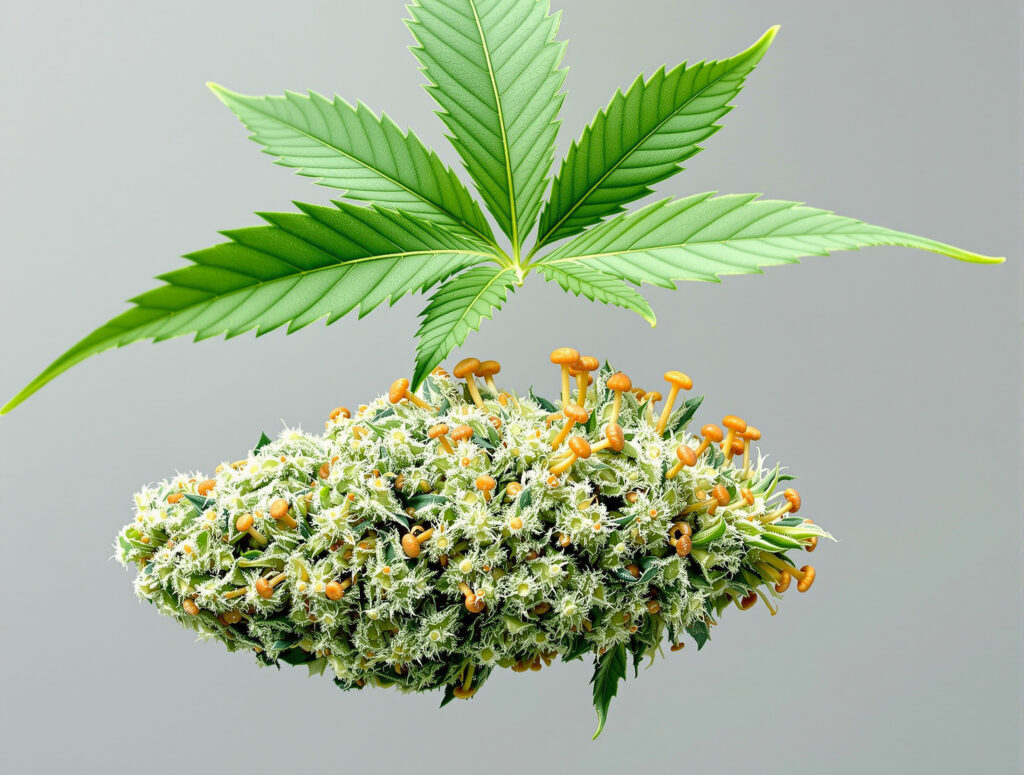
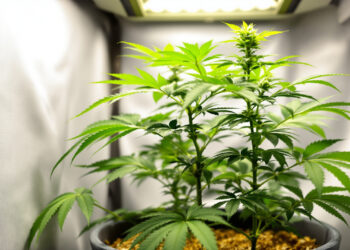
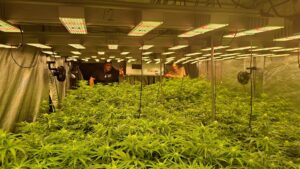
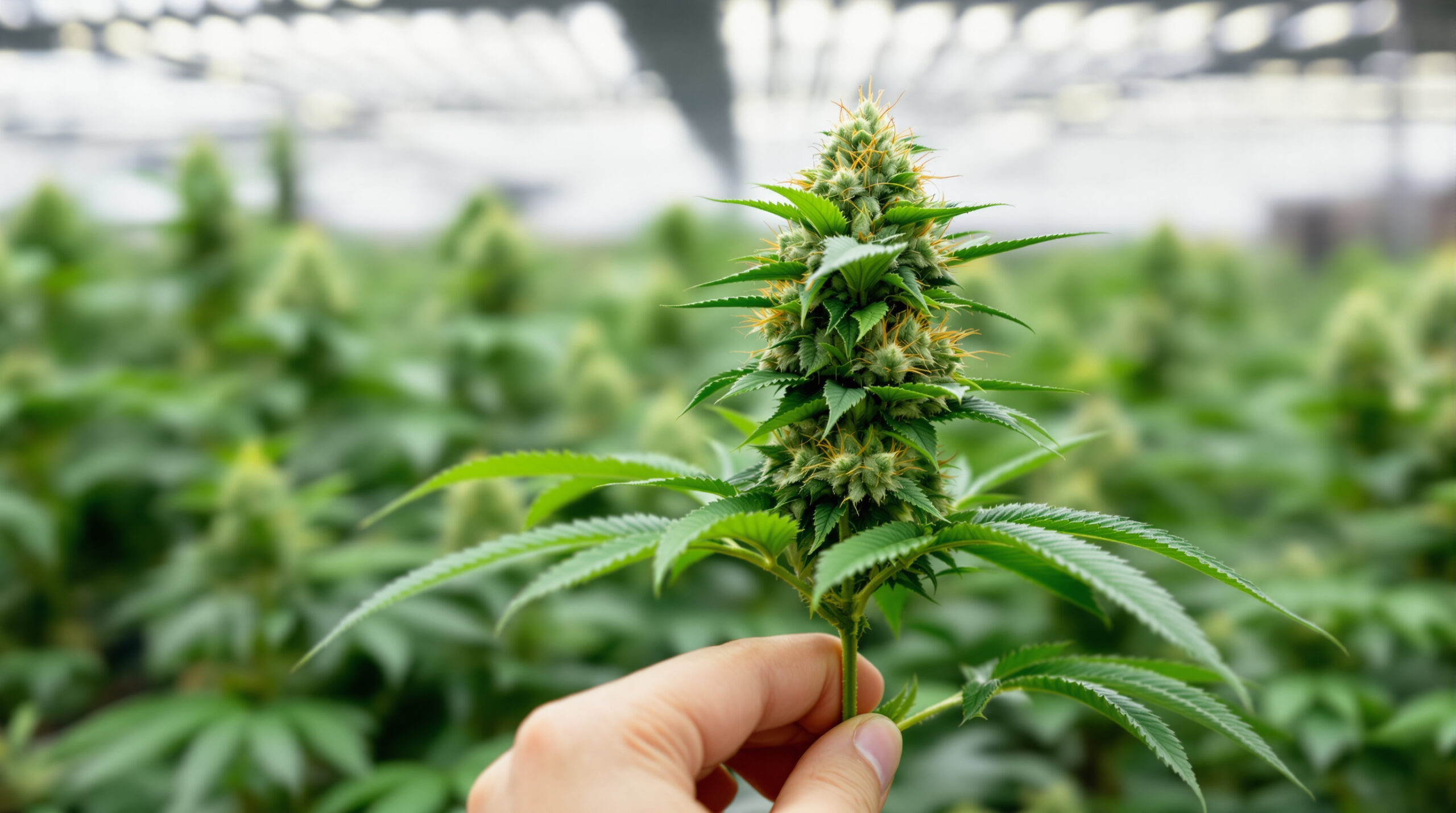
Defoliation describes the targeted removal of leaves that shade flower sites or nodes and impede air circulation in the canopy. The idea behind it is simple: if less leaf mass darkens the plant’s interior, more light reaches the lower flower sites. Studies on indoor cultivation show that photosynthesis at deeper bud positions can increase by 20 to 40 percent after defoliation. More light in these spots potentially means more and more evenly ripened flowers.


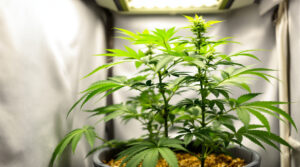
At the same time, each fan leaf is a solar power plant. It captures light and produces sugar through photosynthesis, which is distributed throughout the plant. Remove a leaf that is fully in the sun and delivers net energy, you weaken the plant. Remove a leaf that hangs deep in the shade and produces little sugar itself, you eliminate an energy consumer. This is exactly where the difference lies between smart and harmful defoliation. It’s not about cutting a lot, but about cutting the right things.
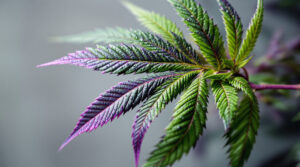
The distinction between leaf types is also important. Fan leaves are the large, five- to seven-fingered sun leaves on the outside of the plant. They bear the brunt of photosynthesis and have few trichomes. Sugar leaves, on the other hand, are small and narrow, sit directly between the flowers, and are densely covered with resin glands. Defoliation is exclusively about fan leaves. Sugar leaves stay on because they protect the buds and carry out photosynthesis directly on the flower site. Those who know the difference avoid the most common beginner mistake.
When is the right time to defoliate?
Timing determines success or failure. In the late growth phase, shortly before switching to the flowering cycle with twelve hours of light, a healthy and vigorous plant tolerates the strongest interventions. Here you can open the leaf canopy before the so-called stretch begins, that is, the phase in which the plant stretches significantly at the beginning of flowering. Regenerative capacity is now at its highest because sufficient vegetative energy is still available.
A second time window opens in weeks two to three of flowering. In this phase, the plant has recovered from the switching stress and the flower sites are clearly recognizable. Moderate defoliation now exposes the lower flower sites before the buds gain mass. Those familiar with the Schwazzing technique from Joshua Haupt’s book Three A Light recognize the basic principle here: Haupt radically removes all fan leaves below the top two to three nodes at two set times, once at the start of flowering and once at the start of the third flowering week.
From week four of flowering onwards, only sanitary care should take place. This means exclusively removing yellow, dead, or mold-infested leaves. A major intervention after week three and a half to four forces the plant to put energy into regeneration instead of flower formation, precisely in the phase when every gram counts. Late defoliation therefore almost always costs yield instead of increasing it. Those who understand the plant’s life cycle plan interventions proactively rather than reactively.
How much leaf mass can be safely removed?
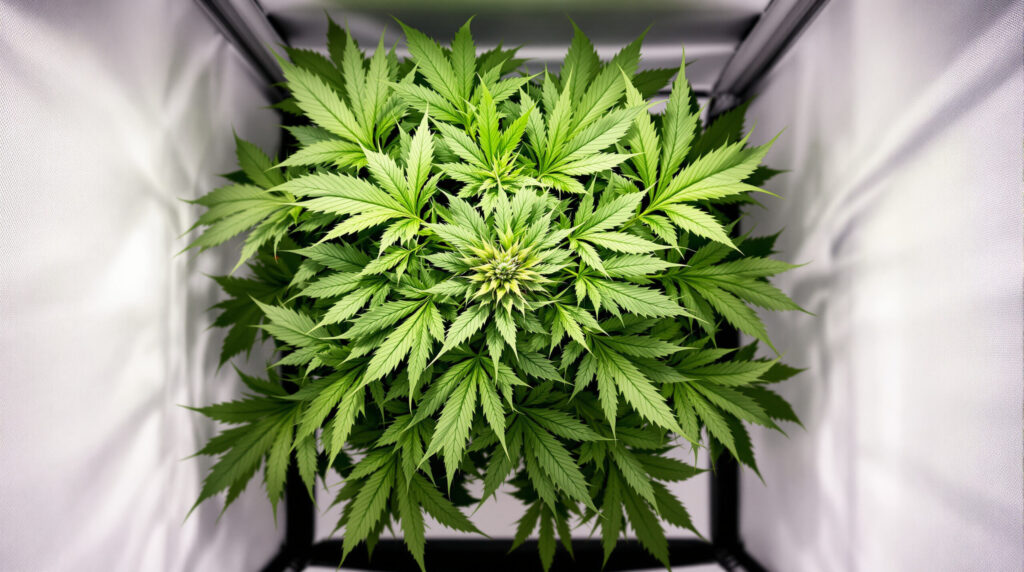
The quantity question is the trickiest. A proven rule of thumb is to never remove more than 20 to 30 percent of the fan leaves in a single pass. In a healthy and vigorous plant, removal of 20 to 40 percent is acceptable in the pre-flowering time window, provided you give the plant several days to recover afterwards. Rather than a radical clear-cut, a staggered approach in several small steps is almost always the safer choice.
The extreme variant, complete Schwazzing, removes up to 90 percent of the sun leaves. Proponents report yield increases because more light reaches the lower buds and some speculate that the drastic loss triggers a kind of survival reaction in which the plant sets more flowers. This mechanism is not scientifically proven and even Haupt provides no conclusive explanation in his book. One thing is clear: this method works exclusively with perfect aftercare with high nutrient supply and is a high-risk gamble for beginners.
Selection is decisive. Priority goes to large fan leaves that lie directly on buds or completely shade deeper flower sites. It is equally worthwhile to combine defoliation with lollipopping, that is, removing weak shoots and flower sites in the lower third that would never produce high-quality flowers anyway. This consistently directs energy to the productive upper levels. A healthy growing medium forms the foundation, because only a well-supplied plant can handle the intervention. Our article explains which soil hemp really needs.
More yield through light, air, and less mold
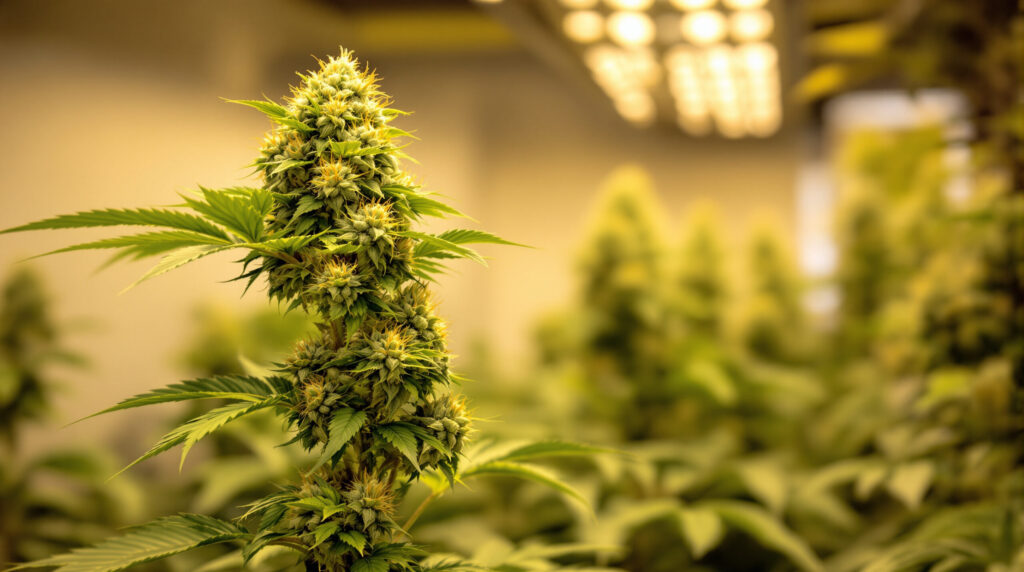
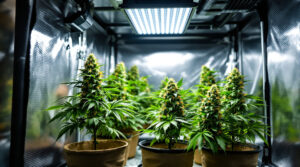
The yield effect of defoliation feeds from multiple sources. The most obvious is light penetration. In a dense canopy, the lower flower sites receive so little light that they only form airy, loose buds, dismissively called larf in professional jargon. Open the leaf canopy, and these spots benefit from direct light and develop into full-fledged flowers. Reports from practice cite yield increases in the range of 15 to 30 percent with correct application, though highly dependent on strain, setup, and experience.
The second, often underestimated effect is mold prevention. A dense leaf canopy creates its own microclimate inside with high humidity because the leaves continuously evaporate water. If relative humidity in the canopy rises above 70 percent, gray mold (botrytis) and powdery mildew find ideal conditions. Through targeted defoliation, air circulation improves noticeably and humidity in the canopy can drop by 10 to 15 percent. Especially with dense, heavy flowers towards the end of flowering, this is one of the most reliable measures against an infestation that can destroy an entire harvest.
There is also more even ripening. If all flower sites receive similar amounts of light, they ripen closer together temporally, which eases harvesting and unifies quality. Some growers also observe better trichome formation on the now better-lit buds. This observation is plausible but individually variable and should not be understood as a guarantee. Those who are experimental can test the technique first on cuttings before applying it to the entire canopy. Our article on cloning and hemp cutting cultivation provides an introduction.
Risks: stress, autoflowers, and the point of no return
Every defoliation is a wound. The plant reacts with a stress response, and whether this response is productive or destructive depends on amount, timing, and health status. A weakened, ailing, or pest-infested plant should never be defoliated because it lacks the reserves for regeneration. If you overdo the intervention, you risk dramatic growth stoppage, a reduction in THC content, and in the worst case hermaphroditism, in which the plant produces male flowers under stress and the harvest becomes seeded.
Defoliation is particularly tricky with autoflowers. These strains follow a fixed, genetically programmed schedule and flower regardless of the light cycle. They cannot make up lost time through an extended growth phase. A stress setback that a photoperiodic plant can still handle during vegetation costs an autoflower irreplaceable yield. If at all, remove only individual fan leaves on autoflowers that lie directly on buds, never extensively. For most autoflower growers, the most honest recommendation is to avoid aggressive defoliation altogether.
Discoloration is also a signal you should be able to read. Not every red or purple leaf is a stress symptom; some strains discolor genetically. Our article explains why some cannabis plants turn purple. Those who understand the plant’s color language distinguish harmless genetics from real stress and defoliate accordingly more cautiously or not at all.
Frequently asked questions
When should you defoliate cannabis?
The best time windows are shortly before switching to the flowering cycle and again in weeks two to three of flowering. In both phases, the plant can regenerate well. From week four onwards, only remove yellow or diseased leaves, because a major intervention then costs yield.
How many leaves can you remove at once?
A safe upper limit is 20 to 30 percent of fan leaves per pass. With very vigorous plants, up to 40 percent is possible in the pre-flowering period. More important than the exact number is a staggered approach in several small steps rather than a single clear-cut.
Should you defoliate autoflowers?
Defoliation is very risky with autoflowers because they follow a fixed schedule and cannot compensate for stress through an extended growth phase. If at all, remove only individual leaves that lie directly on buds. For most growers, restraint is the better strategy here.
Does defoliation really increase yield?
With correct application, growers report yield increases of 15 to 30 percent, primarily through better light penetration to the lower buds and less mold loss. Executed incorrectly, defoliation achieves the opposite and can severely damage the harvest. The effect is not automatic but depends heavily on technique and experience.
Which leaves must you never remove?
Entlaubst du deine Cannabispflanzen während der Blütephase?
The small, resin-covered sugar leaves directly on the flowers always stay on because they protect the buds and carry out photosynthesis on site. Only large fan leaves that shade flowers or impede air circulation are removed. Healthy, fully lit sun leaves in the upper area should also be spared.




Branchen-Update
News, Analysen und Reportagen — mehrmals im Monat direkt in dein Postfach.
Folge uns