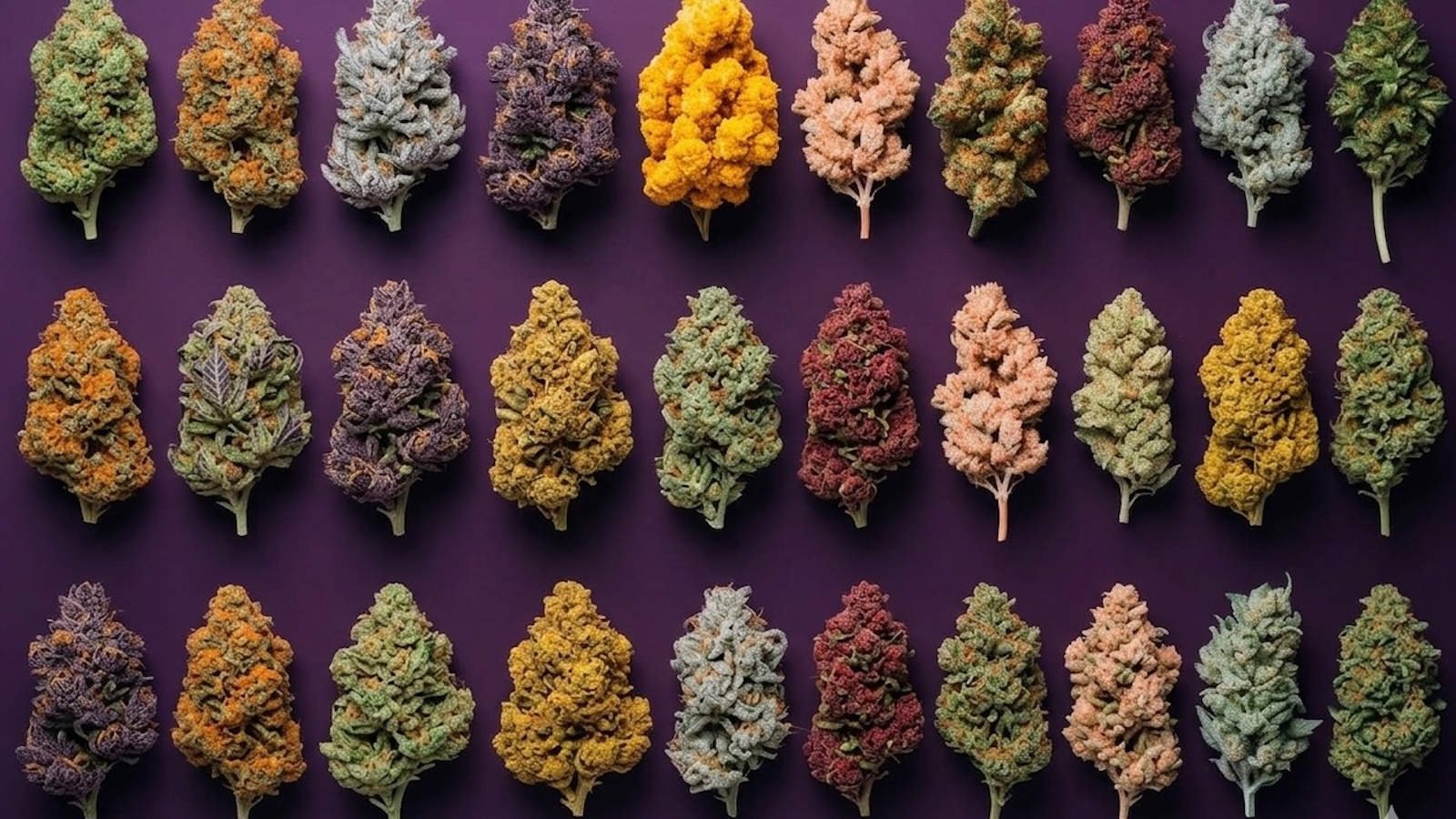
1,300 strains from 58 suppliers – the German medical cannabis market has become one of the most diverse in the world in a remarkably short time. What appears at first glance to patients as freedom of choice reveals itself to pharmacies and pharmaceutical wholesalers as a growing logistical and economic challenge. Thomas Porstner from the Federal Association of Pharmaceutical Wholesalers (PHAGRO) puts it succinctly: „Strain diversity is both a blessing and a curse.“
📑 Inhaltsverzeichnis
The Numbers Behind the Boom
Three companies dominate the market: Remexian supplies 203 strains, Cantourage offers 107, and Cannamedical 104. At the other end of the scale are suppliers with only one to three strains in their portfolio. The price per gram of flower ranges from €2.99 to €17.09, with an average of €6.81. Approximately 78 percent of available strains cost between five and ten euros – a segment where competition is particularly intense.
THC content ranges from 1 to 37 percent. Sativa strains average 21.9 percent THC, indica strains 23 percent, and hybrids 23.8 percent. Low-THC strains typically feature higher CBD concentrations, giving them anti-inflammatory and antispasmodic properties. This market development has direct implications for supply structures – as already evident in the context of price competition among telehealth clinics.


Why Diversity Pressures Wholesalers
For pharmaceutical wholesalers, this growth represents considerable operational burden. A portfolio of over 1,000 strains cannot be managed like a straightforward pharmaceutical inventory. Storage logistics, cooling requirements, expiration dates, and administration of minimal remainder quantities create costs that directly impact margins. PHAGRO representative Porstner speaks of margin pressure and questioned economic viability of wholesale trade – coupled with calls for price regulation consideration.
Added to this is competition from digital platforms and comparison services that have further intensified the price battle in the medical cannabis segment. For traditional wholesalers who must maintain broad inventories, this represents a structural burden. The picture of a market in transition captures the essence: what begins as diversification quickly develops into consolidation pressure.
What Patients Actually Benefit From – And What They Don’t
For patients, the situation is ambivalent. In theory, there’s an appropriate product for nearly every indication and consumption history. In practice, particularly in rural areas, many pharmacies tell a different story: non-specialized pharmacies often stock only limited inventory and must order needed strains, resulting in waiting times.
On specialized platforms, selection is greater, but navigation becomes correspondingly difficult. THC content, CBD concentration, genetics, cultivation quality, and terpene profile – all influence effects individually. For patients without relevant experience, orientation in the 1,300-strain universe presents a genuine hurdle. That economics play a role is strikingly evident in Germany: the market has broken the 200-ton import mark – supply infrastructure lags behind this dynamic.
Frequently Asked Questions
How many medical cannabis strains are available in Germany?
Currently, over 1,300 medical cannabis strains from 58 suppliers are available in Germany. The three largest suppliers are Remexian (203 strains), Cantourage (107), and Cannamedical (104).
What does medical cannabis cost in pharmacies?
Pricing varies considerably: between €2.99 and €17.09 per gram of flower. The average price is around €6.81. Approximately 78 percent of available strains cost between five and ten euros.
Why isn’t medical cannabis available in every pharmacy?
Not all pharmacies specialize in medical cannabis. Particularly in rural areas, many pharmacies stock only limited selections and frequently must order products. For reliable supply, a specialized cannabis pharmacy is recommended.
What does the price competition in the medical cannabis market mean for patients?
Intense competition through digital comparison platforms has reduced prices for patients in many cases. Simultaneously, wholesalers face margin pressure, which could affect the availability of certain strains in the medium term.
What is PHAGRO and what does the association demand?
PHAGRO is the Federal Association of Pharmaceutical Wholesalers. It represents the interests of German pharmaceutical wholesalers to policymakers and the public. Given growing inventory and margin pressure in the medical cannabis segment, PHAGRO advocates for regulatory measures addressing price regulation to ensure the economic viability of wholesale trade.







Hilft dir die große Sortenvielfalt bei der Auswahl?
Branchen-Update
News, Analysen und Reportagen — mehrmals im Monat direkt in dein Postfach.
Folge uns