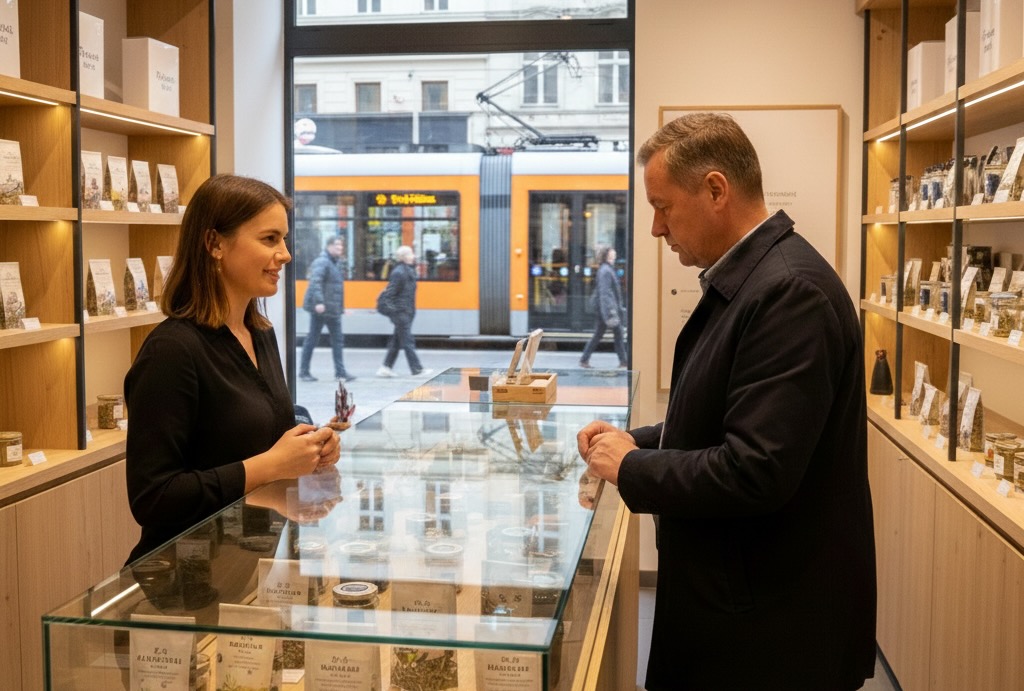
While Germany has chosen a more cautious path with its two-pillar model focusing on cultivation associations, neighboring Czech Republic is now making a bold leap forward. In early February 2026, the Prague government unveiled details of a legislative proposal aimed at establishing a state-regulated, fully commercial market for recreational cannabis. This could make Czech Republic the first EU nation to permit sales in licensed retail stores nationwide.
📑 Inhaltsverzeichnis
The Czech Model: Taxation Over Prohibition
The Czech anti-drug coordinator and the driving forces behind the reform are pursuing a clear economic and public health strategy. In contrast to the German model, which plans commercial sales (pillar 2) only in regional pilot projects for now, Prague wants to regulate the entire market.
The key points of the 2026 proposal:


- Licensed retail shops: Sales would occur through specialized stores subject to strict regulations.
- State excise tax: A special consumption tax is planned, which experts say could generate up to two billion Czech crowns annually for state coffers.
- Registration system: Buyers are expected to register to ensure youth protection and quantity controls.
Potential Conflict with Brussels
Czech Republic is taking a significant risk. The EU Commission has made clear in the past that a fully commercial market is incompatible with existing EU framework decisions. However, the Czech government is making an aggressive argument: the current prohibition has failed, and only a regulated market can effectively combat the black market and guarantee youth protection. Prague is betting that other EU states will follow suit once positive effects on public safety and the economy become visible.
Differences from Germany
For observers in Germany, the Czech development is particularly noteworthy. While German consumers rely on clubs and home cultivation, Czech Republic is betting on convenience and professional supply chains. If Prague passes the proposal through parliament without major cuts, it could increase pressure on German policymakers to significantly accelerate planned pilot programs for retail cannabis shops.





Sollte Deutschland dem tschechischen Modell mit Fachgeschäften folgen?
Branchen-Update
News, Analysen und Reportagen — mehrmals im Monat direkt in dein Postfach.
Folge uns