Living Soil and anarchic growing methods may seem almost magical to many growers at first glance. No bottled fertilizers, no constant measuring and adjusting, no weekly pH corrections – yet the plants still develop vigorous flowers and complex aromas. But how does this actually work? And how can such a system be implemented in practice?
📑 Inhaltsverzeichnis
- Substrate Recipes & Mixtures – The Foundation for Living Soil
- Basic Components of a Living Soil Mixture
- Practical Example: Mixing Living Soil Cannabis at Home
- Water Management & pH Stability in Living Soil
- Why No pH Testing?
- Watering Tips
- No Flushing Necessary – Why Living Soil Works Without a Flush
- How to Keep Living Soil Alive
- Practical Tips for Beginners
- Conclusion
- Frequently Asked Questions
- 💬 Fragen? Frag den Hanf-Buddy!
This article provides you with the practical knowledge you need to successfully use Living Soil – from the right substrate mixtures to water management and simple methods to keep your soil alive long-term.
Substrate Recipes & Mixtures – The Foundation for Living Soil
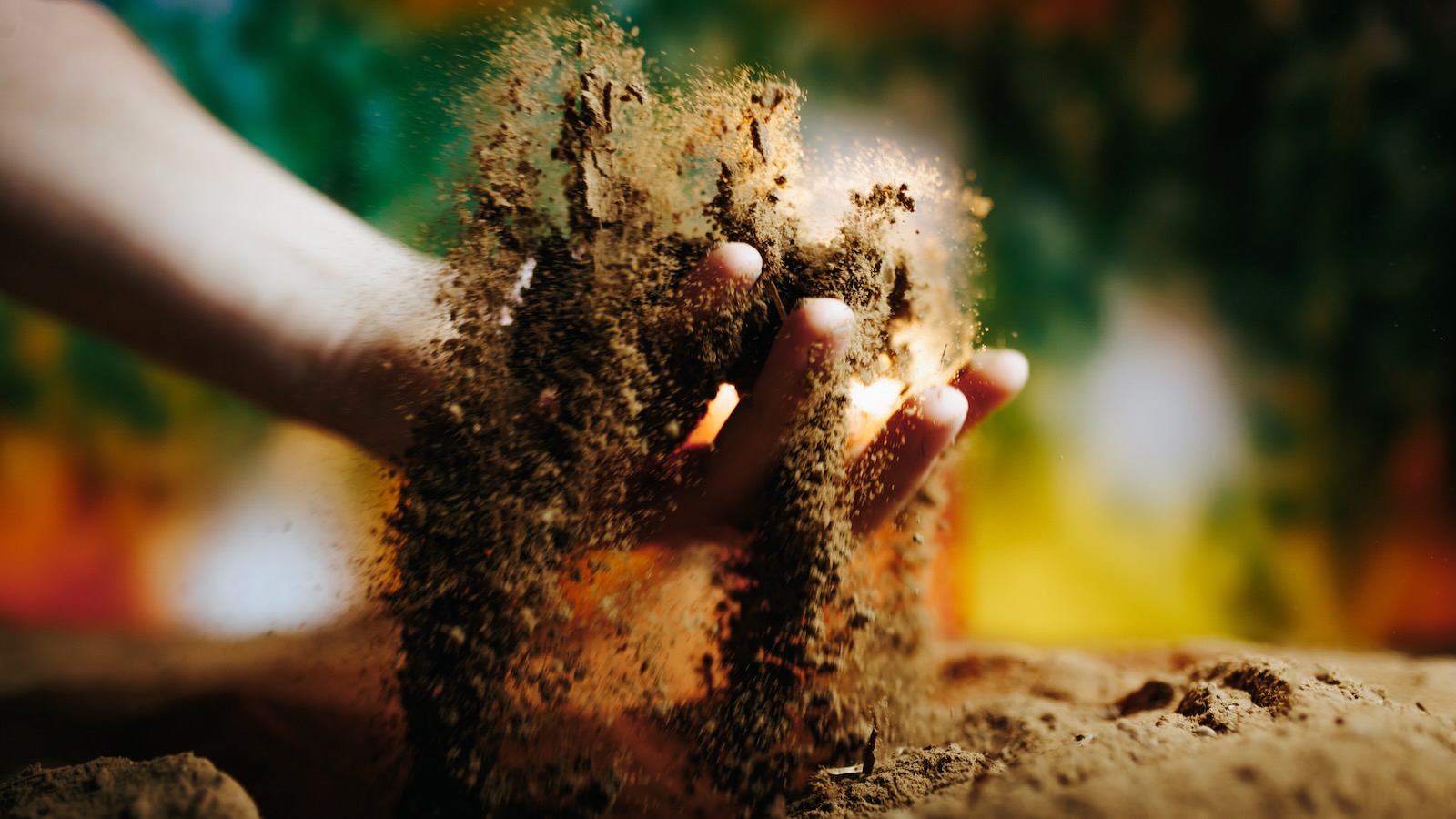
The foundation of Living Soil cannabis is soil that does far more than just support roots. It’s not simply a medium that stores water and nutrients, but a living biotope where countless microorganisms work. The goal is to create a substrate that is rich in organic matter, has a stable structure, and remains loose and well-aerated. Only this way can the microbes and fungal networks reach their full potential and reliably supply the plant throughout its entire life cycle.


This isn’t about a rigid recipe, but rather a balanced ratio of different components that together form a functioning ecosystem. Compost or worm castings provide microorganisms with an abundance of organic material while also bringing humic acids and trace elements that create a stable soil environment. Combined with coco fiber or peat, a loose structure develops that stores water without the soil becoming waterlogged.
For necessary aeration and drainage, additives like perlite or vermiculite do the job. While perlite keeps the substrate airy and prevents waterlogging, vermiculite additionally stores moisture and minerals. Biochar is used as a long-term nutrient source. Its porous structure provides countless microorganisms with habitat and works like a sponge that binds nutrients and gradually makes them available to roots.
So that plants receive not only classical macronutrients but also trace elements, stone meals like basalt or zeolite are mixed in. They dissolve slowly and guarantee continuous supply over weeks and months. Seaweed meal or kelp provides the final touch. These additives are rich in minerals and natural growth stimulators that invigorate both the soil life and the plant itself.
A proven basic formula for Living Soil cannabis consists of one third each of compost or worm castings, coco fiber or peat, and perlite or vermiculite. Supplemented with biochar and stone meals, this creates a substrate that can be used for years. Before planting, the soil should rest for two to four weeks. During this time, microorganisms colonize the substrate, break down initial organic materials, and establish a stable equilibrium. The result is soil that regulates itself and optimally supplies plants without constant intervention.
Basic Components of a Living Soil Mixture
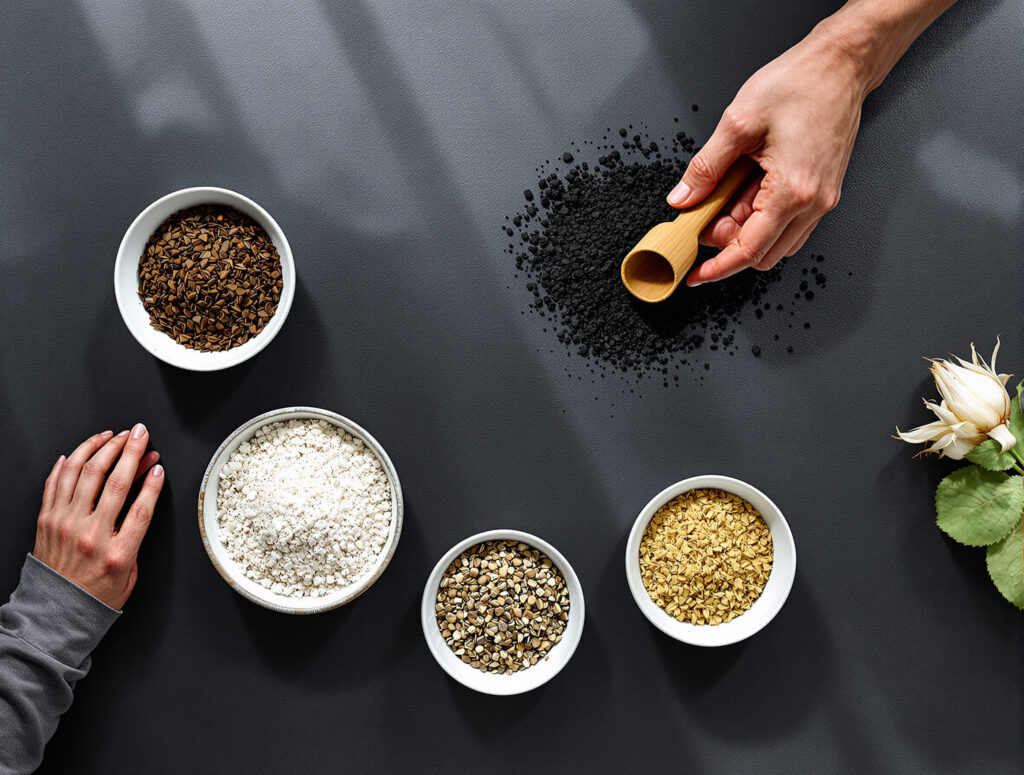
For Living Soil cannabis to work, you need a substrate that serves not only as a growing medium but also enables active soil life. The mixture should be loose, moisture-retentive, and rich in organic matter. Crucially, the individual components together form a stable ecosystem.
Compost – The Heart
Compost is the most important ingredient and provides millions of microorganisms that break down organic matter and convert it into plant-available nutrients. High-quality worm castings are particularly valuable. In addition to nutrients, they contain enormous biodiversity of soil life and work like a booster for soil microbiology. Good compost also brings trace elements and humic acids that improve plant nutrient uptake and provide natural pH stability.
Coco Fiber or Peat – For Structure and Moisture
Coco fiber or peat serve as the second base. Both materials retain moisture without the soil becoming waterlogged. Coco fiber has the advantage of being a renewable resource, while peat remains a classic component of many mixtures due to its structure. Both ensure the soil stays loose and roots can develop unimpeded.
Perlite or Vermiculite – Air and Drainage
For roots to receive sufficient oxygen, Living Soil needs good aeration. This is where perlite and vermiculite come in. Perlite provides drainage and prevents waterlogging, while vermiculite can additionally store water and minerals. This creates a balanced climate in the pot: sufficiently moist but never soggy.
Biochar – The Soil’s Memory
Biochar is a sort of secret weapon in Living Soil cannabis. It works like a sponge that binds nutrients and gradually makes them available to microorganisms. At the same time, its porous structure provides a huge surface area where microbes can settle. Once introduced into the soil, biochar remains stable there for many years and contributes long-term to soil fertility.
Stone Meals – Minerals on Reserve
Slowly available minerals are crucial for plants to receive nutrients throughout their entire life cycle. Basalt flour, zeolite, or dolomite lime supplement trace elements, improve soil structure, and contribute to long-term pH stability. Since they dissolve slowly, they provide a sustainable mineral source.
Seaweed Meal or Kelp – Trace Elements and Vitality
Seaweed meal or kelp are true nutrient packages from the ocean. They contain not only trace elements but also natural growth stimulators that invigorate soil microbiology and promote root growth. Many experienced Living Soil growers swear by kelp because it increases plant resilience and vitalizes soil life.
The Classic Basic Formula
A proven mixture for Living Soil cannabis consists of:
- 1/3 compost or worm castings
- 1/3 coco fiber or peat
- 1/3 perlite or vermiculite
- Biochar and minerals as needed
This mixture provides a stable foundation. After mixing, the soil should „mature“ for two to four weeks. During this time, microorganisms colonize the substrate, decompose initial organic materials, and create the foundation for healthy plant growth. After that, the soil is ready to use – a living system that can be utilized for many growing cycles.
Practical Example: Mixing Living Soil Cannabis at Home
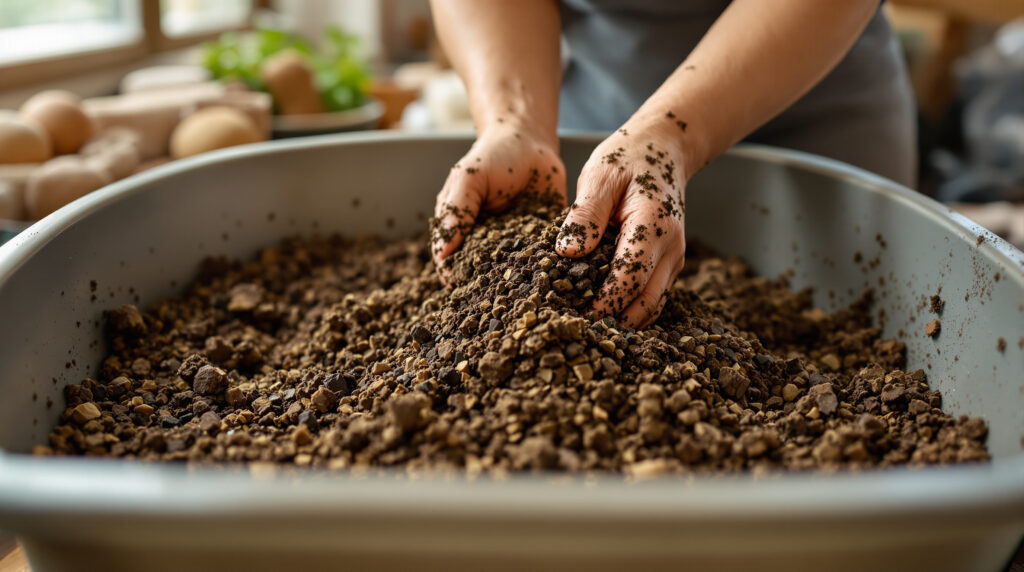
Anyone wanting to set up Living Soil cannabis themselves needs neither expensive specialty substrates nor complicated equipment. With a few ingredients from the garden center and some patience, you can create a powerful mixture that lasts through several growing cycles.
Ingredients for Approximately 50 Liters of Living Soil
- 15 liters of high-quality worm castings or compost
- 15 liters of coco fiber (pre-soaked) or unfertilized peat
- 15 liters of perlite or vermiculite
- 3 liters of biochar (pre-inoculated with compost tea or worm tea)
- 1.5 kilos of basalt flour or zeolite
- 300 grams of kelp or seaweed meal
- Some leaf mulch or straw for the surface
Step-by-Step Instructions
- Prepare the base mixture
Mix compost, coco fiber, and perlite evenly in a large container or on a tarp. This creates the loose foundation. - Mix in minerals and biochar
Distribute stone meals and biochar evenly. The biochar should be pre-moistened with compost tea or worm tea so microbes can settle in it. - Work in the kelp
Carefully stir in seaweed meal or kelp. It serves not only as a nutrient source but also promotes soil microbiology. - Moisten and let mature
Thoroughly moisten the mixture with water until evenly moist but not waterlogged. Then let it rest for two to four weeks. During this time, regularly check and lightly re-moisten if needed. - Apply mulch layer
After filling the pots, place a layer of leaves or straw on the surface. This keeps moisture stable and provides food for soil organisms.
Daily Practice Tips
- During the maturation period, keep the soil away from direct sunlight in a cool, shady location.
- Regularly check moisture: the soil should be moist and loose but not dripping wet.
- If you want to introduce earthworms, add them after the maturation phase – they loosen the soil and provide valuable worm castings.
- With each growing cycle, the soil improves. After harvest, supplement with some fresh compost or worm castings, and the substrate stays alive.
This creates a sustainable Living Soil system that can be used for years – without synthetic fertilizers, without pH correction, and without constant flushing.
Water Management & pH Stability in Living Soil
Many growers are surprised that in Living Soil cannabis, you don’t need to constantly measure pH levels or perform complicated corrections. Especially for those coming from classic indoor growing, it’s customary to fuss with test strips or meters before each watering and adjust values with chemicals. Yet this is exactly where one of the greatest strengths of living soil becomes apparent: it regulates itself.
The secret lies in the interplay of microorganisms, organic matter, and soil structure. Millions of bacteria, fungi, and beneficial organisms create a stable environment in the rhizosphere where pH naturally remains in the optimal range. Organic substances like humic acids work as a natural buffer, while mycorrhizal fungi expand the root network and convert minerals into plant-friendly forms.
This allows the Living Soil system to easily handle small fluctuations in water quality. Whether irrigation water is slightly harder or calcium content varies – the soil life balances these differences. Instead of working with pH-Up or pH-Down products, you rely on biology to maintain balance.
Proper water management is just as important as pH levels. Living Soil should never completely dry out, as microorganisms depend on consistent moisture. An overly dry environment weakens microbiome activity and thus plant nutrition. That’s why the rule is: better to water frequently with small amounts than rarely with large amounts. This keeps the soil evenly moist and well-aerated.
A mulch layer of straw, leaves, or shredded material further supports this system. It protects the soil from drying out, maintains stable temperature, and simultaneously serves as food for microbes. Together with living soil, this ensures pH stability and water supply work almost automatically – without measurement stress and chemicals.
Why No pH Testing?
Anyone who spent years in classic indoor growing knows the routine: before each watering, measure pH, correct with chemicals, and constantly ensure it stays in the perfect range. In Living Soil cannabis, this step disappears entirely – which understandably causes skepticism in many beginners. Yet the explanation lies in the soil life itself.
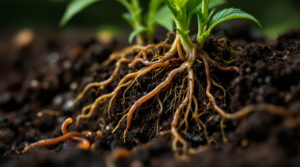
In living soil, microorganisms and fungal networks take over natural pH regulation. Bacteria, mycorrhizal fungi, and other microbes create a stable environment in the rhizosphere – the root zone – where nutrients are supplied in the right form. Even if irrigation water is occasionally harder or softer, these organisms maintain balance.
A crucial factor is organic substances like humic acids and fulvic acids. They work as natural buffers, preventing pH from fluctuating too much. Mycorrhizal fungi expand root systems, access additional nutrients, and also contribute to stabilization. This keeps soil in the optimal range even when water quality isn’t perfect.
The advantage: instead of artificially correcting with pH-Up or pH-Down, you trust soil life. Plants take up exactly the nutrients they need – at the moment they need them. Microbes continuously convert organic matter and keep the cycle moving. This creates a system that isn’t just stable but also error-tolerant.
This also means: in Living Soil cannabis, errors in water quality or small fluctuations in watering habits can be buffered much better than in classic hydro or coco systems. Instead of keeping the grower constantly on alert, the soil life itself maintains healthy balance.
The result: not only does the tedious measuring work disappear, but also the risk of pH-related nutrient lockouts, which frequently occur in conventional systems. This makes growing simpler, more natural, and simultaneously safer.
Watering Tips
Watering plays a central role in Living Soil cannabis. Since soil life depends on consistent conditions, proper water management often determines how healthy and aromatic plants become at harvest.
If possible, rainwater should be used. It’s typically soft, free of lime, and contains little that would disturb soil life. Those without access to rainwater can use filtered or dechlorinated tap water to reduce chlorine residues.
Living Soil should never completely dry out. Dry periods can severely restrict microorganism activity and disrupt the delicate soil balance. That’s why it’s better to keep soil evenly moist.
Watering is best done gently and consistently. Rather give small amounts frequently than rarely flood the pot in large amounts. This way, microbiology stays active and soil stays well-aerated without becoming waterlogged.
A mulch layer on the soil surface is also very helpful. It prevents drying out, regulates temperature, and provides additional food for microbes. Mulch mimics natural forest soil and creates a stable microclimate where Living Soil cannabis thrives.
- Use rainwater: If possible, rainwater is the best choice, as it’s usually soft and contains few residues.
- No constant dry periods: Living Soil should never completely dry out, as soil life needs moisture.
- Water gently: Better to give small amounts frequently than rare large amounts. This keeps microbiology active and soil aerated.
- Use mulch: A mulch layer prevents drying out and keeps soil evenly moist.
No Flushing Necessary – Why Living Soil Works Without a Flush
Those working with synthetic fertilizers know the flushing ritual: shortly before harvest, the plant is watered with only water for several days or weeks to remove excess nutrients from the substrate.
In Living Soil, this is unnecessary. Since nutrients aren’t accumulated as salts but are organically bound, there are no residues to wash out. Microbiology ensures nutrients are continuously supplied in plant-friendly form – without excess. The result: clean flowers without chemical aftertaste.
How to Keep Living Soil Alive
For Living Soil to function over many cycles, it must be maintained and regenerated. Fortunately, this works with simple methods.
Compost Tea
Compost tea is a liquid created by extracting compost or worm castings. It’s either simply steeped in water or aerated with an air pump to multiply aerobic microbes. Applied regularly, it strengthens microbial diversity in the soil.
Mulch
A layer of straw, leaves, or shredded plant material on the soil surface not only prevents drying out but also serves as a nutrient source for soil organisms. Mulch mimics natural forest soil and creates a stable microclimate.
Cover Crops and Companion Plants
Plants like clover or alfalfa can grow between cannabis plants. They fix nitrogen, loosen soil, and provide additional organic mass. They also promote soil life and reduce pest pressure.
Organic Supplements
After each harvest, soil can be refreshed with worm castings, compost, or light amendments like seaweed meal. This keeps it productive for years.
Practical Tips for Beginners
- Start small: Begin with a few Living Soil pots to gather experience.
- Watch water carefully: Although less monitoring is needed, soil should never dry out.
- Stay away from synthetic fertilizers: They destroy delicate microbiology.
- Be patient: Living Soil improves with each cycle – the longer it’s used, the more stable the system becomes.
For anyone new to Living Soil cannabis: less stress, more trust. This growing method differs significantly from classic growing with bottled fertilizers and meters. To make the transition successful, follow some simple basic principles.
Best to start small. A few pots with Living Soil are enough to gather initial experience and observe soil life. This way, you gradually learn how the system works without immediately converting your entire operation.
Proper water management is particularly crucial. Living Soil cannabis needs consistently moist conditions since soil life doesn’t stay active without adequate moisture. That’s why frequent small waterings work better than irregular flooding with large amounts. A mulch layer helps retain moisture longer while feeding the microbiome.
Avoid synthetic fertilizers – they would destroy the delicate microorganism balance. Instead, rely on natural supplements like worm castings, compost tea, or organic amendments that keep soil alive and nutrient-rich.
And most importantly: be patient. Living Soil cannabis reaches its full potential gradually. With each cycle, soil life becomes more stable, plants more resilient, and terpene profiles more intense. The longer soil is used, the better the results – both in flavor and quality.
Conclusion
Living Soil shows that cannabis growing doesn’t have to be complicated. With the right soil, minimal input, and trust in natural processes, robust plants with extraordinary aroma develop. No bottled fertilizers, no pH correction, no flushing – instead, a self-regulating system that works long-term while protecting the environment. Once you’ve experienced how stress-free and aromatic a Living Soil grow can be, you’ll hardly miss the bottles at the grow shop.
Frequently Asked Questions
What is the Basic Principle of Living Soil?
Living Soil is far more than just a growing medium since it functions as a living biotope. In this system, countless microorganisms such as bacteria and fungi work together to form a complex network. This so-called soil food web ensures that organic materials are decomposed and supplied as nutrients for plants.
Why Don’t You Need to Measure pH in This System?
Soil life takes over natural pH regulation in the rhizosphere. Microorganisms and fungal networks create a stable environment where nutrients are continuously made available in the right form. Additionally, organic substances like humic acids work as natural buffers that compensate for fluctuations in water quality.
How is an Ideal Substrate Mixture Composed?
A proven basic formula consists of one third each of compost or worm castings, coco fiber or peat, and perlite or vermiculite. To ensure long-term supply, minerals like stone meals, seaweed meal, and biochar are added. This mixture should rest for two to four weeks before first planting so microbes can stabilize the system.
What Role Does Biochar Play in the Soil?
Biochar serves in the substrate as a kind of storage and habitat for microorganisms. Its porous structure binds nutrients like a sponge and gradually releases them to roots. Once introduced, it remains stable for many years and contributes long-term to soil fertility.
Why is Flushing Before Harvest Not Necessary?
Unlike growing with mineral salts, this approach uses organically bound nutrients that are continuously supplied by microbiology. Since excess fertilizer salts don’t accumulate in the substrate, there are no chemical residues that need to be washed out at the end. This produces pure results with unadulterated aroma.
How is Soil Kept Alive Long-Term?
Maintenance is done through simple natural methods like applying compost tea or laying down a mulch layer. Mulch protects soil from drying out while simultaneously serving as food for soil organisms. After each cycle, substrate can be regenerated with worm castings or organic supplements, keeping it productive for years.
What are the Most Important Watering Tips?
Wie düngst du deine Cannabispflanzen aktuell?
Soil life depends on consistent moisture, so soil should never completely dry out. It’s advisable to water regularly with small amounts rather than watering infrequently with large amounts. Rainwater is ideal for microorganism vitality due to its softness and purity.







Branchen-Update
News, Analysen und Reportagen — mehrmals im Monat direkt in dein Postfach.
Folge uns