One-Time Setup Costs for Every Budget
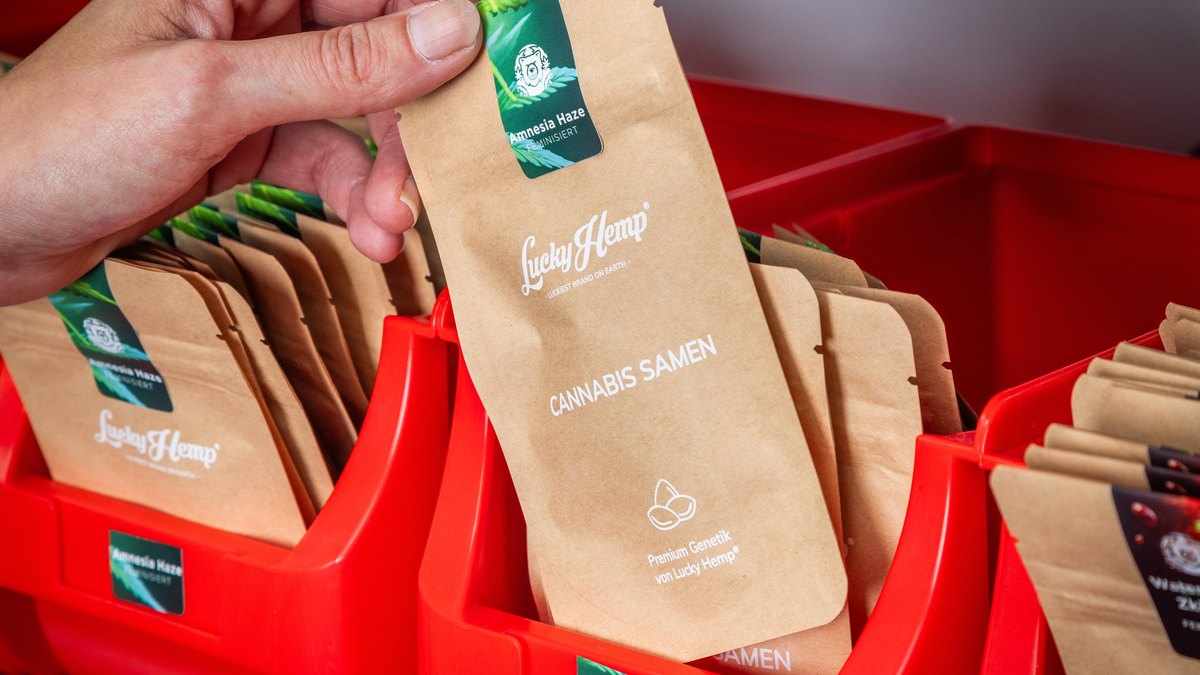
Getting started on a tight budget requires just €150. This setup works perfectly for windowsill or balcony growing with low-maintenance autoflower varieties. The basic equipment includes simple fabric pots, premium organic soil, a 100W LED lamp for beginners, a timer, seeds, basic nutrients, and a small fan. Since this setup skips a grow tent and activated carbon filter, expect limited odor control and lower yields at harvest.
📑 Inhaltsverzeichnis
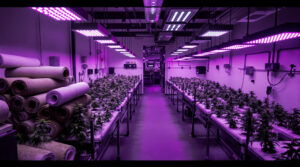
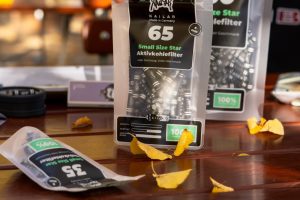
A standard indoor setup for year-round cannabis growing typically costs between €400 and €700. This includes a 60 × 60 × 160 cm grow tent, a 200W full-spectrum LED lamp, and a reliable exhaust system with activated carbon filter. Additional equipment covers intake fans, larger fabric pots, premium organic soil, complete nutrient sets for vegetative and flowering stages, a pH meter, hygrometer, timer, and feminized seeds. Around €540 provides a solid foundation for consistent yields.
Professional growers should budget €800 to €1,500. A pro-level setup features a large grow tent, a high-performance premium LED over 300 watts, and a whisper-quiet professional exhaust with integrated speed controller. For perfect water and nutrient delivery, a reverse osmosis system and digital EC and pH meters are essential. The package is completed with SCROG nets, LST clips, premium nutrients, specialized drying equipment, and top-quality cannabis seeds with elite genetics. Total costs in this category reach approximately €920 or more.


Running Costs and Realistic Yields Per Growth Cycle
Beyond initial investment, ongoing expenses accumulate. The largest cost factor is electricity consumption. A 200W LED running 18 hours daily over four months costs roughly €70 to €90 at €0.30 per kilowatt-hour. Add costs for fresh soil, new seeds, water, and nutrient refills. The activated carbon filter should be replaced every two to three cycles. Overall, expect operational costs of €130 to €200 per cycle.
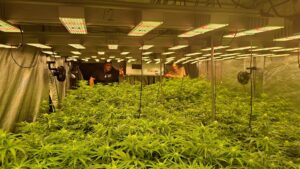
Yields from the three permitted plants depend heavily on grower experience and chosen setup. Beginners with autoflower varieties achieve about 30 to 60 grams per plant, totaling 90 to 180 grams. Experienced growers using feminized varieties indoors often harvest 80 to 150 grams per plant. Professionals employing techniques like Low Stress Training or SCROG nets can achieve 150 to 300 grams per plant, reaching total harvests of 450 to 900 grams.
The Math: Cost Per Gram Comparison
Using a standard €540 setup with €150 running costs and 300g yield as an example, the calculation is clear. First harvest costs approximately €2.30 per gram. By the second cycle, only running costs apply, dropping the price to an unbeatable €0.50 per gram. By the third harvest, the equipment pays for itself completely. For comparison: cannabis social clubs charge an estimated €8 to €12 per gram, street markets €10 to €15, and pharmaceutical cannabis €15 to €25 per gram.
Electricity Costs in Detail and Frequently Asked Questions
To calculate electricity costs precisely, multiply wattage by daily operating hours and number of days, divide by 1,000, then multiply by your electricity rate. A 200W LED running 15 hours daily over 120 days costs exactly €108 at €0.30 per kilowatt-hour. Including exhaust fans and potential winter heating, realistic total electricity costs range €80 to €150 per grow cycle.
Whether homegrow pays off financially deserves a resounding yes. Regular consumers save hundreds of euros annually long-term. Plus, you know exactly what you’re consuming—no cutting agents or pesticides. Outdoor growing on a balcony or in a garden costs under €100 in setup, eliminating lighting and exhaust electricity entirely.
However, outdoor growing depends heavily on weather and limits harvests to once yearly. Modern LED lamps significantly reduce electricity use—30 to 50 percent less energy than traditional sodium vapor lamps—generate far less heat, and enable smaller exhaust systems.
Conclusion: The Worthwhile Investment in Home Cultivation
Home cultivation ultimately represents an extremely economical decision after the initial investment phase. While upfront costs for quality indoor equipment may seem daunting initially, the numbers speak clearly. By the second or third successful harvest, per-gram costs drop to a fraction of alternative sources.
Beyond pure financial savings, home growing offers an invaluable additional advantage: absolute certainty about quality, origin, and purity of your harvest. You control every step from seed to drying. Those willing to invest in technical and botanical knowledge while monitoring electricity and material costs will save money long-term and enjoy high-quality, homegrown plants. Your small personal operation is not only a fascinating hobby but ultimately the most independent and cost-effective solution.






Wie viel würdest du maximal in dein Homegrow-Setup investieren?
Branchen-Update
News, Analysen und Reportagen — mehrmals im Monat direkt in dein Postfach.
Folge uns