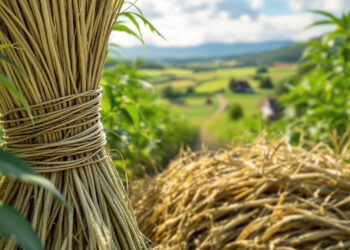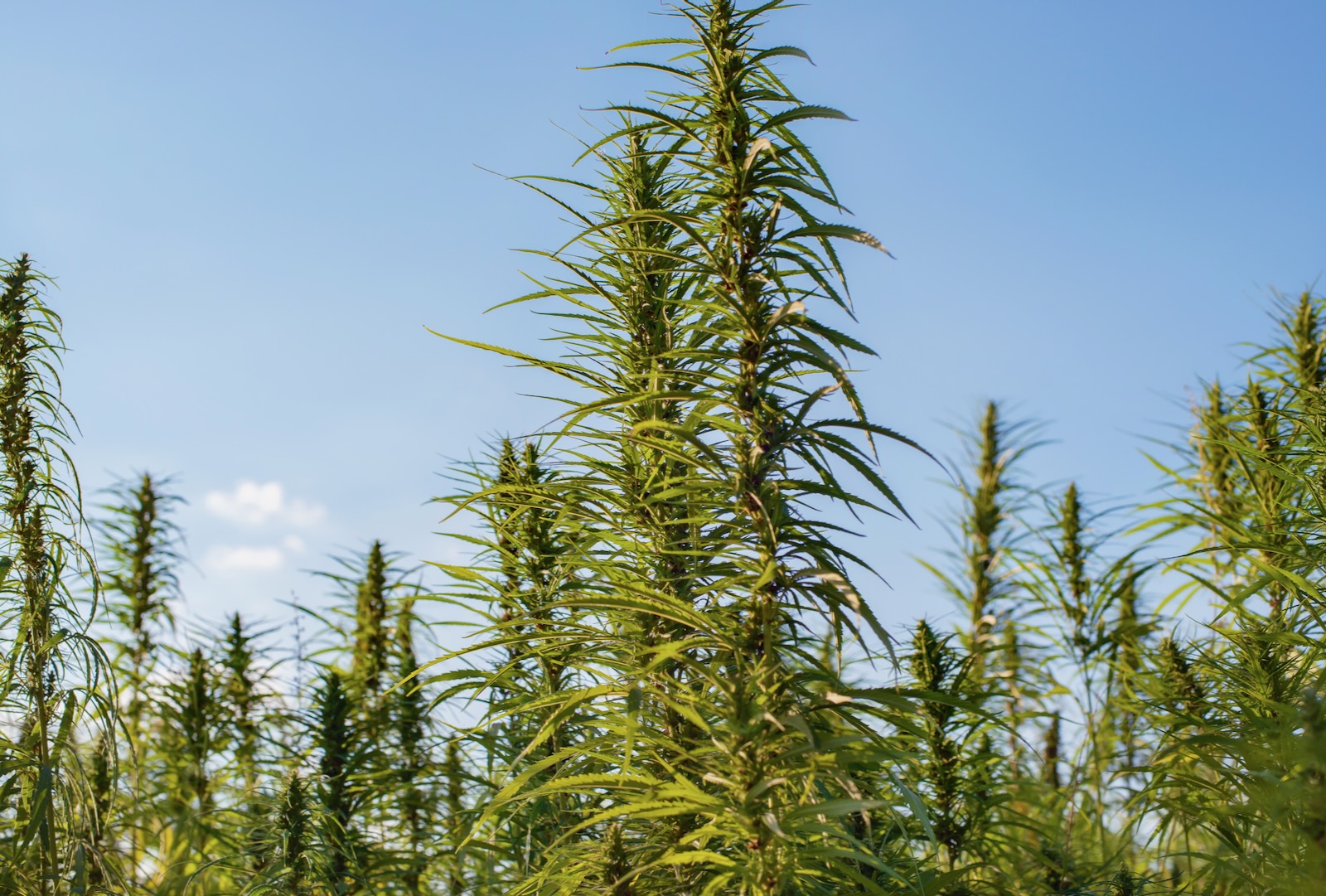
Hemp fiber is experiencing a remarkable comeback across Europe. Modern processing facilities are emerging in France and Austria, transforming large quantities of hemp into fibers, shives, and technical materials. Germany, however, is falling behind in this development. While interest in industrial hemp is growing and cultivation areas are expanding, processing capacity remains limited. The lack of modern infrastructure is throttling the market—with consequences for agriculture, industry, and consumers. A closer look at the underlying reasons reveals why Germany risks losing ground in the new hemp boom.
📑 Inhaltsverzeichnis
- Growing Cultivation Areas—Missing Processing
- France and Austria as Models
- Bureaucratic Hurdles and Lack of Support
- Machinery Manufacturing Behind the Curve
- Missing Networks and Regional Structures
- Opportunities Through Regional Value Chains
- What Must Be Done Now
- Germany Cannot Afford to Miss This Opportunity
- 💬 Fragen? Frag den Hanf-Buddy!
Growing Cultivation Areas—Missing Processing
Since the reauthorization of industrial hemp cultivation in the 1990s, cultivation areas in Germany have increased significantly. More and more farmers are discovering the plant as an attractive alternative to conventional crops. Hemp is robust, requires no pesticides, and improves soil quality—ideal conditions for sustainable agriculture.
Yet for many farmers, the success story ends at harvest. Without sufficient processing facilities, the stalks often cannot be used economically. Instead of high-quality fibers or insulation materials, the crop frequently ends up as animal bedding or is used directly for energy generation. This leaves the majority of the plant’s potential untapped.


France and Austria as Models
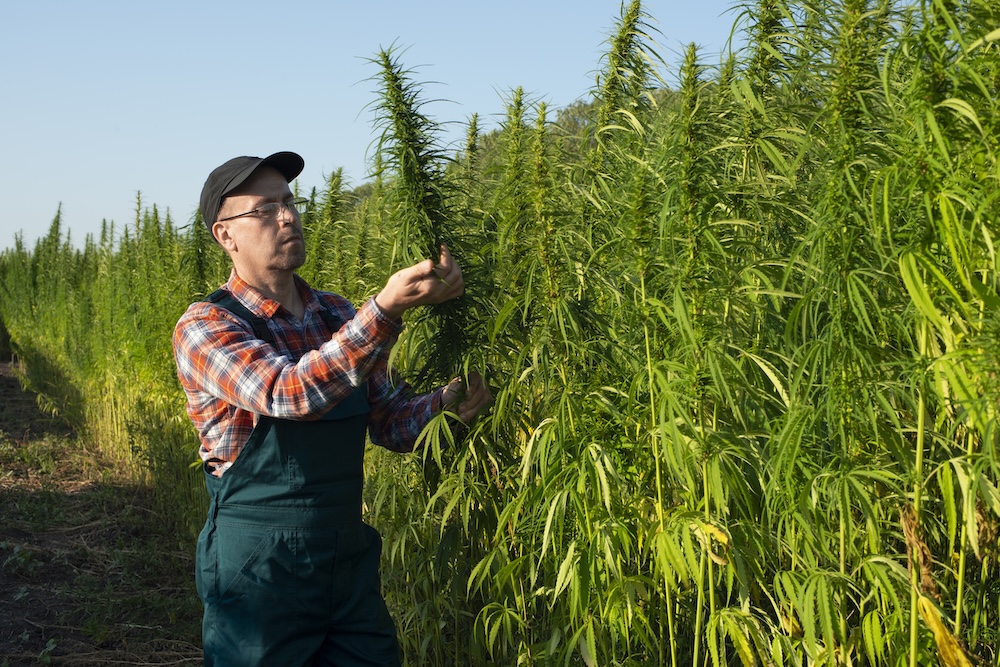
A comparison with neighboring countries shows that a different approach is possible. France has Europe’s largest hemp processing industry. The country operates several state-of-the-art retting and decortication facilities that process thousands of tons of hemp annually. The entire chain from field to finished product is professionalized.
Austria, too, has strategically invested in infrastructure in recent years. Smaller, regional facilities ensure that hemp from domestic cultivation can be directly processed further. This creates value chains that benefit farmers, processors, and end consumers alike. Germany, meanwhile, has some pioneering companies working with fiber processing, but lacks sufficient capacity for comprehensive supply coverage.
Bureaucratic Hurdles and Lack of Support
A major reason for the lag is inadequate political support. While other countries offer funding programs for building processing facilities, Germany lacks targeted investment assistance. Farmers and entrepreneurs interested in entering hemp processing face high costs and bureaucratic obstacles.
Complex regulatory frameworks compound the problem. While industrial hemp cultivation is permitted, the requirements are strict and sometimes unclear. THC limits, licensing requirements, and control mechanisms discourage many interested parties. For investors, this creates uncertainty—and without certainty, capital rarely flows.
Machinery Manufacturing Behind the Curve
Another barrier lies in machinery manufacturing. Modern decortication facilities are expensive and technologically demanding. While Germany has a strong mechanical engineering industry, the development of specialized hemp processing equipment is still in its infancy. Many operators therefore rely on imported technology or improvise with modified machines. This reduces efficiency and makes production less competitive.
Missing Networks and Regional Structures
While France and Austria rely on regional cooperation between farmers, processors, and end users, Germany often lacks such networking. Many hemp projects operate as isolated initiatives working independently. Overarching coordination that creates synergies and facilitates investment is barely visible. Yet shared facilities and cooperatives could significantly reduce costs and increase investor attractiveness.
Opportunities Through Regional Value Chains
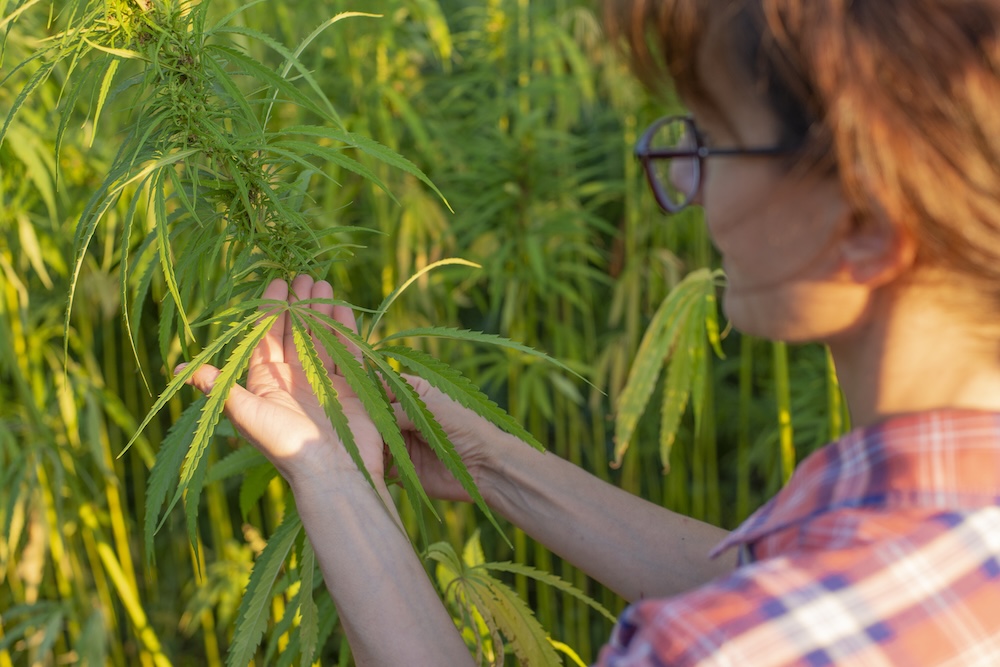
Despite these shortcomings, opportunities exist. Particularly in rural regions, hemp could strengthen the local economy. If processing facilities can be established on-site, farmers, machinery manufacturers, and industry all benefit equally. Shorter transport routes, higher prices for raw materials, and new jobs would follow.
Additionally, demand for sustainable materials is steadily increasing. The fashion industry, as well as the construction and automotive sectors, are seeking alternatives to cotton, plastics, and fiberglass. Hemp offers a solution—provided the necessary infrastructure is in place.
What Must Be Done Now
For Germany to stay competitive, targeted measures are essential. The first priority is expanding modern retting and decortication facilities. Without this infrastructure, production remains dependent on imports. State funding programs are also needed to provide security for investors and farmers.
The machinery industry must also be more heavily involved. German companies have the expertise to develop efficient and cost-effective hemp processing equipment—they need clear incentives to enter this market. Finally, political clarity is crucial. Clear regulations and uniform standards would build confidence and facilitate investment.
Germany Cannot Afford to Miss This Opportunity
Demand for sustainable fibers and materials is rising globally. Hemp offers the perfect conditions to play a key role. Without adequate processing capacity, however, Germany will lag behind its neighbors. If politics, industry, and agriculture act together now, the country could become a major center of the European hemp textile industry within a few years. If it misses the right moment, hemp fiber could become permanently established elsewhere—leaving Germany watching from the sidelines rather than shaping the future.






Sollte Deutschland den Aufbau von Hanf-Verarbeitungsanlagen staatlich fördern?
Branchen-Update
News, Analysen und Reportagen — mehrmals im Monat direkt in dein Postfach.
Folge uns