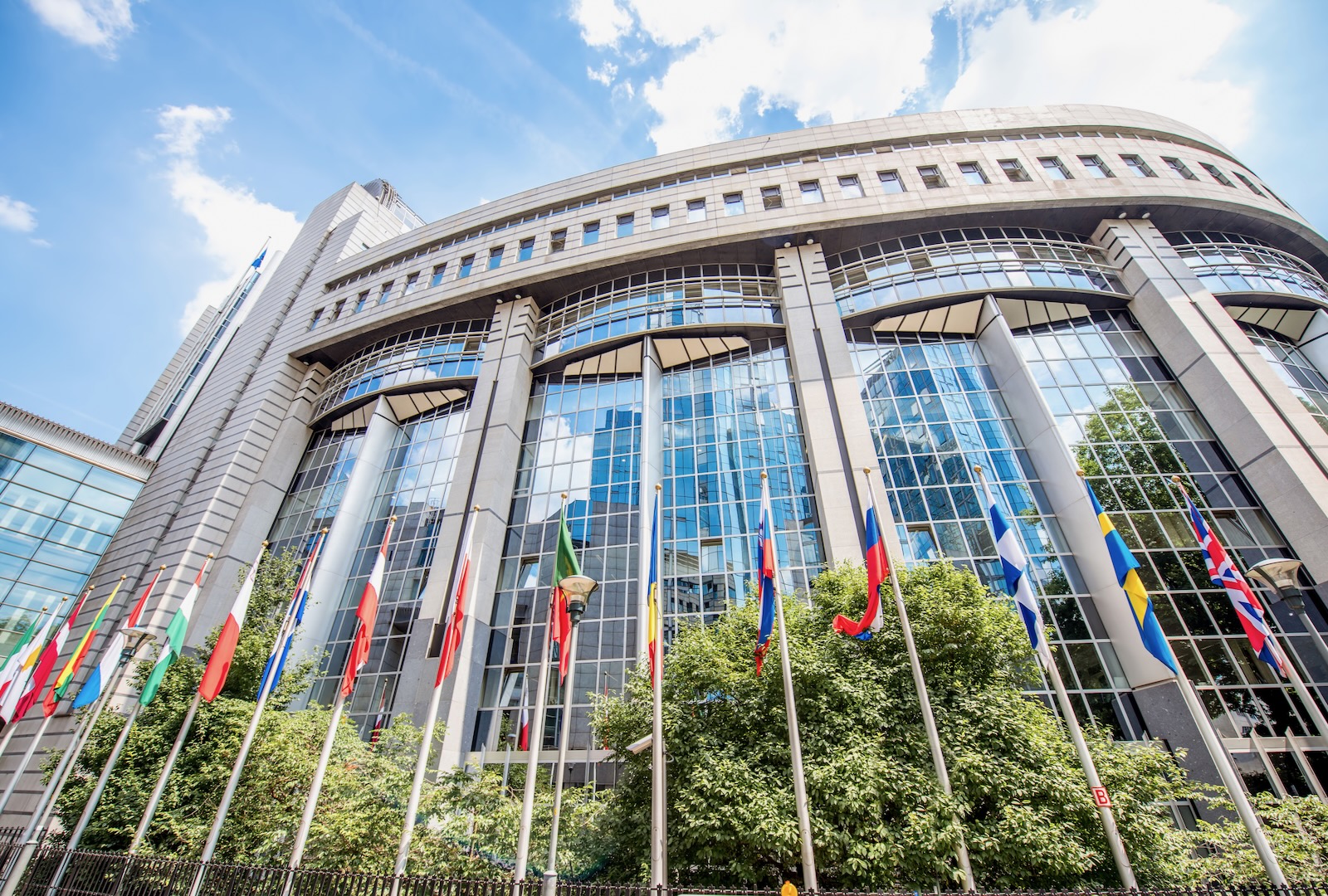
A pivotal autumn – the hemp industry watches Brussels closely: In September 2025, the European Parliament plans to debate sweeping changes in how the EU handles industrial hemp. Two central questions are at the heart of the discussion: Should hemp flower become a fully recognized agricultural product across the EU – and should the permitted THC limit increase from the current 0.3% to 0.5%?
📑 Inhaltsverzeichnis
From the Commission to Parliament
Back in summer, the European Commission proposed officially including hemp flower in the Common Agricultural Policy starting in 2027. Now, Parliament could not only confirm this direction but expand it further. The Agriculture Committee (COMAGRI) introduced a draft that envisions the complete legalization of all plant parts. This would give farmers and processors greater legal certainty while eliminating existing gray areas.
THC Threshold as a Flashpoint
The debate over THC content is particularly contentious. For years, many farmers and industry associations have demanded an increase to better absorb natural fluctuations and gain access to more resilient varieties. A recent survey found that roughly 87.5% consider the current limit too restrictive. At 0.5%, the EU would strike a middle ground – stricter than Switzerland’s 1.0%, but more flexible than today.


Critics, however, warn that higher thresholds could complicate enforcement for regulatory authorities. Conservative lawmakers also worry that raising the limit might damage public acceptance of industrial hemp.
Market Signal Effect
For the industry, such a reform would be enormously significant. Investments in processing hemp flower products – for food, cosmetics, or oils – would rest on a solid legal foundation. Simultaneously, raising the THC threshold would send a clear signal to farmers that Brussels is serious about expanding hemp cultivation.
Combined with the Commission’s plans for Common Agricultural Policy reform starting in 2027, this could spark a genuine modernization wave. Europe would move toward a more unified and competitive hemp economy.
A Vote with Consequences
Many details remain open. Whether Parliament approves the draft in its current form will largely depend on the balance of power between liberal and conservative factions. What’s certain, however: with this upcoming debate, industrial hemp is moving more firmly into the center of European agricultural policy.
For the industry, this represents a historic moment – the stage is being set for greater legal certainty, sustainable prospects, and a normalization that is long overdue.



Branchen-Update
News, Analysen und Reportagen — mehrmals im Monat direkt in dein Postfach.
Folge uns