Cannabis: The Data Provides Reassurance
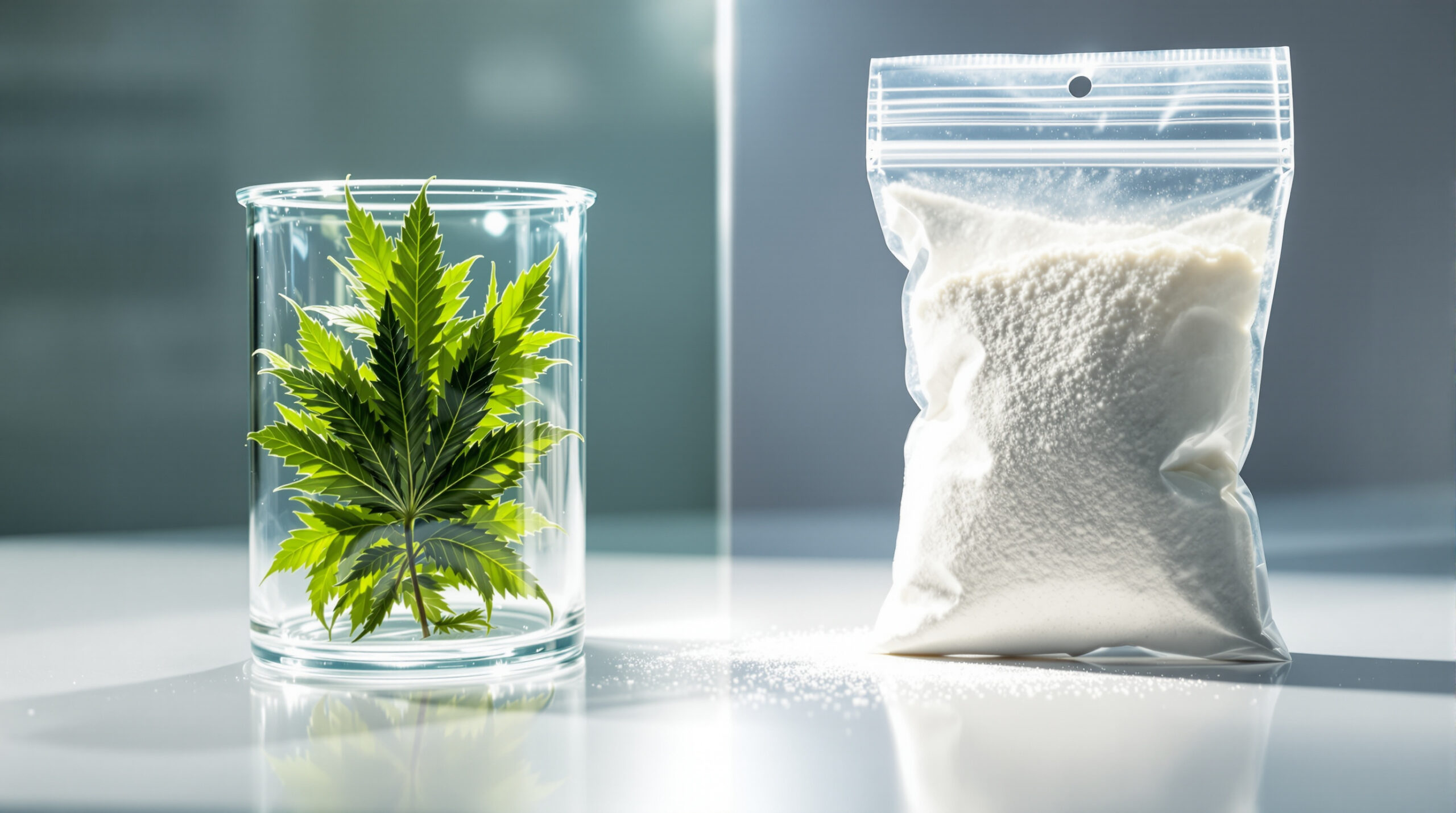
The study by Anna Bindler and Andreea-Maria Stoica, published in DIW Weekly Report 13/2026, analyzes a combination of survey and wastewater data. The result is unambiguous: the feared consumption explosion never materialized. The 12-month prevalence for cannabis was 9.8 percent in 2024—a moderate increase compared to 4.5 percent in 2012, but no break in the trend line after April 2024. Wastewater analyses from German cities show no systematic changes following legalization.
📑 Inhaltsverzeichnis
The decline in cannabis offenses is even more striking. In 2023, nearly 174,000 cannabis cases were recorded in police criminal statistics. In 2024, there were just around 62,000—a drop to roughly one-third. Overall, drug offenses fell from 347,000 to 228,000 cases. This is no accident, but the direct consequence of the new legal framework: what was formerly prosecutable is simply no longer a crime.
Street prices for cannabis also remained stable at approximately ten euros per gram, comparable between legal sources such as pharmacies or cultivation associations and the illegal market.


Cocaine: The Real Problem Explodes

While the cannabis debate dominated headlines, a far more alarming development unfolded in German cities. The wastewater data analyzed by DIW shows cocaine contamination nearly four times higher than in 2015. Dortmund, Hamburg, Munich, Stuttgart, and Berlin are the hotspots of this development. Simultaneously, the number of police-recorded cocaine offenses rose from roughly 21,000 in 2022 to over 27,700 in 2024.
Even more serious is the regional concentration of methamphetamine. In cities near the Czech border—Chemnitz, Dresden, Erfurt, and Nuremberg—wastewater measurements show multiple increases compared to 2015. At the same time, crack prices are falling, suggesting growing supply.
Crucially: these trends began long before April 2024. The cannabis partial legalization neither triggered nor amplified them.
The Gateway Drug Theory Loses Ground Again

The data provide renewed pushback against the politically resilient argument that cannabis is a gateway drug to harder substances. If that were true, one would expect to observe a causal increase in cocaine use following cannabis liberalization. The opposite is the case: cocaine consumption rose years before the reform—while cannabis remained stable.
A Japanese study had already convincingly refuted the gateway drug theory—the DIW data for Germany fit seamlessly into this picture. The supposed connection between cannabis and hard drug use is not causal, but at best correlational—and this correlation disappears when examining time series more closely.
What Policy Should Prioritize Now
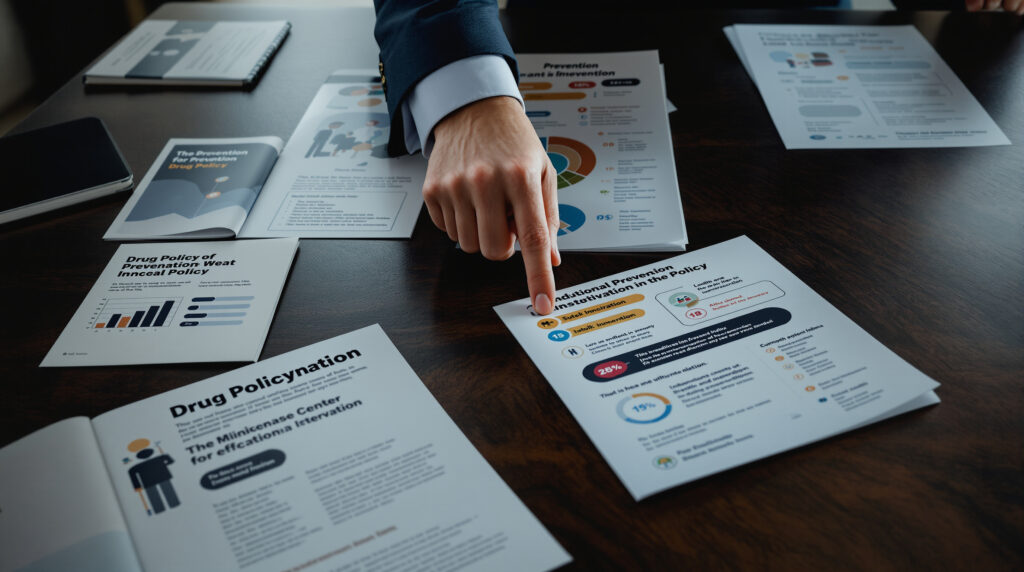
The study’s authors draw clear conclusions: prevention and education should take priority—not a return to cannabis criminalization. The dynamics in the cocaine and methamphetamine markets demand a separate policy response that must not be conflated with the cannabis debate.
The balance sheet of German legalization should be read more differentially in this context: the reform has achieved its core objectives—decriminalization, dampening the cannabis black market, consumer protection—in principle. That cocaine and methamphetamine markets are simultaneously growing, even though the BKA president continues to name the cannabis black market as a problem, shows: the challenges for drug policy extend far beyond a single reform.
For youth protection, the Frankfurt MoSYD study showing youth consumption at a 20-year low provides the strongest empirical argument against panic scenarios.
The DIW analysis shows: Germany needs an honest discussion about all drug markets—not just cannabis.
Frequently Asked Questions
What did the 2026 DIW study find about cannabis consumption in Germany?
The analysis by the German Institute for Economic Research provides clear reassurance: an explosion in user numbers following the April 2024 reform has not occurred. Usage frequency remained stable at approximately 9.8 percent and follows the long-term trend. Particularly significant is the decline in related offenses in criminal statistics, which fell to roughly one-third of the previous year’s level following the regulatory change.
How much has cocaine consumption increased in Germany?
According to wastewater data, cocaine residues in German cities have increased nearly fourfold since 2015. West German major cities are particularly affected: Dortmund, Hamburg, Munich, Stuttgart, and Berlin. The number of police-recorded cocaine offenses rose from roughly 21,000 (2022) to over 27,700 (2024).
Did cannabis legalization trigger or amplify cocaine consumption?
No. According to DIW data, the rise in cocaine consumption began well before the cannabis partial legalization in April 2024. There is no causal connection between the cannabis reform and growth in the cocaine market.
What do researchers recommend as policy measures?
DIW authors Anna Bindler and Andreea-Maria Stoica recommend prioritizing prevention and education—rather than recriminalizing cannabis. The growing cocaine and methamphetamine markets require a separate drug policy response, independent of the cannabis debate.
Where is methamphetamine particularly prevalent in Germany?
Sollte die Politik jetzt härter gegen Kokain vorgehen?
Wastewater data shows particularly high methamphetamine contamination in cities near the Czech border: Chemnitz, Dresden, Erfurt, and Nuremberg show significantly elevated levels compared to 2015. The price collapse in crack suggests growing supply.
Related Articles
- Swiss Cannabis Regulation: IG Hanf Demands Speed Over Delays
- PKS 2025: Cannabis Offenses Drop Nearly 30 Percent
- 56 Million Years Old: Saxony-Anhalt Housed the World’s Oldest Cannabis Plant

Branchen-Update
News, Analysen und Reportagen — mehrmals im Monat direkt in dein Postfach.
Folge uns