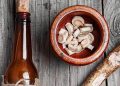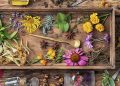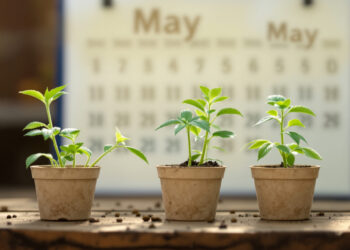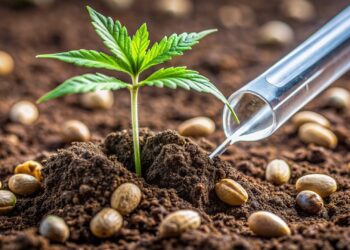
Ayahuasca – sometimes also spelled Ayawaska, Yagé or Iowaska – is far more than a brew from the Amazon. Behind this term lie two fascinating plants that have played a central role in South America’s shamanic traditions for millennia and today captivate an increasing number of gardeners and ethnobotanists throughout Europe.
📑 Inhaltsverzeichnis
- Banisteriopsis caapi and Psychotria viridis: The Plants Behind the Myth
- Legal Situation: What Is Permitted When Growing Ayahuasca in Germany?
- Varieties of Banisteriopsis caapi: Which Variety Should You Choose?
- Growing Ayahuasca: Location, Substrate and Climate Conditions
- Propagation from Seeds and Cuttings: Starting Right
- Care, Fertilization and Common Mistakes in Ayahuasca Cultivation
- Growth, Flowering and Long-Term Care
- Is It Legal to Grow Ayahuasca Plants in Germany?
- Where Can You Buy Banisteriopsis caapi and Psychotria viridis?
- How Long Does It Take for Banisteriopsis caapi to Develop Flowers?
- Can I Grow Banisteriopsis caapi Outdoors?
- Which Variety of Banisteriopsis caapi Is Best for Beginners?
- How Does Ayahuasca Differ from Other Psychoactive Plants?
- 💬 Fragen? Frag den Hanf-Buddy!
The vine Banisteriopsis caapi and the Chacruna bush Psychotria viridis can be cultivated in Central Europe under the right conditions – legally, as botanical plant collections, as living witnesses to one of humanity’s oldest plant healing traditions. This guide is aimed at anyone who wants to seriously engage in growing Ayahuasca plants. Not to produce the brew – that is forbidden in Germany under the Controlled Substances Act – but to understand, cultivate and experience the plants themselves. Because the path to the plant is legal, exciting and a worthwhile challenge for any ambitious ethnobotanist.
Banisteriopsis caapi and Psychotria viridis: The Plants Behind the Myth
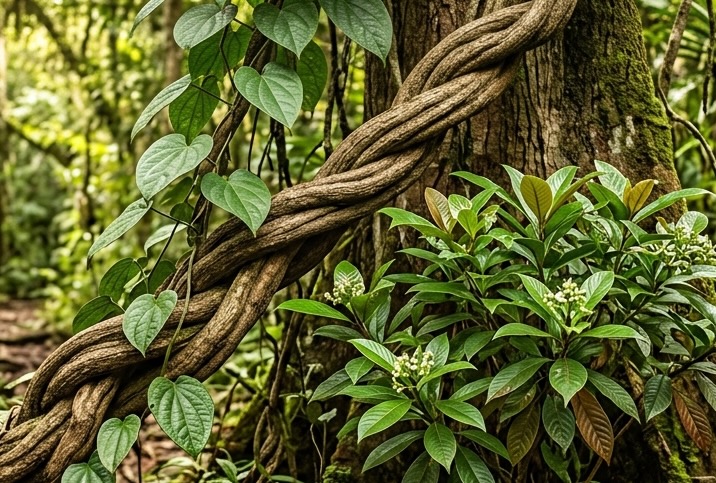
Before discussing cultivation, one must know the plants. Banisteriopsis caapi, often referred to in German-speaking areas as the Ayahuasca vine or Yagé, is a tropical climbing plant from the Malpighiaceae family. In its homeland, the Amazon rainforest, the vine can climb several meters high and develops over time a woody, twisted structure that is virtually unparalleled in botany. It contains beta-carbolines, including harmine, harmaline and tetrahydroharman, which act as monoamine oxidase inhibitors (MAOIs). On their own, these alkaloids are moderately psychoactive, but when combined with DMT-containing plants, they unleash their full effect – this is the biochemical secret of the Ayahuasca brew. Psychotria viridis, the Chacruna bush, is the second classic component of the Ayahuasca brew.


It belongs to the Rubiaceae family, is an evergreen shrub and contains in its leaves the psychoactive compound DMT (dimethyltryptamine). Interestingly, it is not the vine alone that makes the brew effective, but the interplay of the two plants: The harmaline in the vine blocks enzymes that would normally break down DMT in the body, thus allowing DMT to exert its effect. This pharmacological synergy is an example of what ethnobotanists call plant intelligence – the ability of traditional plant knowledge to discover active principles that science only understood decades later.
Both plants originate from tropical rainforests and place corresponding demands on climate, soil and care. Anyone who takes the time to understand and replicate their natural growing conditions will be rewarded with beautiful, fascinating plants. In our detailed article on Ayahuasca as traditional plant medicine, we have already extensively explored the cultural and spiritual background of this plant tradition.
Legal Situation: What Is Permitted When Growing Ayahuasca in Germany?
This question comes before everything else, as it is decisive. The good news first: both Banisteriopsis caapi and Psychotria viridis are not classified as controlled substances in Germany. The plants themselves may be legally grown, traded and possessed. You can buy them from specialized online shops, keep them as houseplants or cultivate them in a greenhouse – all of this is legal. What is, however, prohibited under the Controlled Substances Act (BtMG) is the production of a DMT-containing brew or the extraction of DMT from the leaves of Psychotria viridis.
DMT is classified as a non-marketable controlled substance in Schedule I of the BtMG, and any intentional release or concentration of this active compound is punishable. The same applies to the classic Ayahuasca preparation, in which both plants are combined to produce the psychoactive brew. For plant lovers who simply wish to enjoy the botanical beauty of these extraordinary species, cultivation is therefore completely unrestricted. The same applies, incidentally, to the San Pedro cactus, which may also be legally cultivated as an ornamental plant as long as no extraction of psychoactive substances takes place. The boundary always lies where the intent to produce an intoxicating preparation becomes evident.
Varieties of Banisteriopsis caapi: Which Variety Should You Choose?
Under the name Banisteriopsis caapi are hidden several botanical varieties that differ in leaf shape, growth rate and alkaloid content. In traditional shamanic use, these varieties are sometimes regarded as separate plants with different properties and are used for specific ceremonies or healing purposes. For the hobby gardener in Europe, three main varieties are particularly relevant and regularly available in commerce.
The Caupuri variety is the most widespread and is considered particularly vigorous. It develops large, dark green leaves and reliably shoots again after pruning. For beginners, it is the first choice. The Cielo variety, whose name means sky in Spanish, has lighter leaves and a somewhat more slender growth habit. In the shamanic context, it is considered particularly light and is often cultivated for special occasions. The Trueno variety – Trueno meaning thunder – is the most vigorous and fastest-growing variant. It develops into a massive vine and requires correspondingly more space.
In addition to these main varieties, there are further regional chemotypes such as Ourinhos (from Brazil), Pucallpa (from Peru) or Yellow (with yellowish-green leaves), which are traded in specialized collector circles. For the botanically interested, a small collection of different varieties is not only aesthetically appealing but also educational – one observes the subtle differences in growth form, leaf structure and growth rate that reveal the richness of this plant family.
Growing Ayahuasca: Location, Substrate and Climate Conditions
The biggest mistake when growing tropical plants is viewing them through Central European eyes. Banisteriopsis caapi and Psychotria viridis are children of the rainforest. Their natural habitat provides constant warmth between 20 and 30 degrees Celsius, high humidity of 70 to 90 percent, filtered light beneath the tree canopy and humus-rich, well-draining soil with constant moisture but without waterlogging. Anyone wanting to replicate this in the German climate needs above all: patience and the right conditions.
For indoor cultivation, a greenhouse or well-insulated south-facing room is ideal. The temperature should never permanently fall below 15 degrees – the plants can survive brief cold snaps, but frost is fatal. Heating in winter is therefore essential. Humidity can be increased through regular spraying with low-calcium water or by using a humidifier. Especially during the dry winter months, when heating dries out the air, gardeners must be particularly attentive. As for substrate, a loose, humus-rich mixture with good drainage is recommended. A proven recipe consists of about 50 percent high-quality potting soil, 25 percent perlite and 25 percent mature compost or coco-humus.
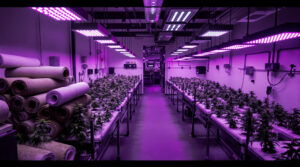
This mixture mimics the porous, nutrient-rich forest soil of the Amazon and prevents waterlogging, which quickly leads to root rot in both plants. Those already experienced with other demanding plants – such as professional indoor cultivation using various soil and hydroponic systems – will quickly realize that the basic principles are similar: drainage, aeration and nutrient availability are crucial. The light requirements of both plants are moderate to high, but direct midday sun should be avoided. Bright, indirect light – such as that coming through an east- or west-facing window – is ideal. Those using artificial lighting should opt for full-spectrum LED lamps with a photoperiod of 14 to 16 hours daily. The Banisteriopsis caapi vine climbs tree trunks in nature and benefits from a trellis or support that allows it to develop its natural growth form.
Propagation from Seeds and Cuttings: Starting Right
Both plants can be propagated from either seeds or cuttings, with the latter being the more practical method in Europe. Banisteriopsis caapi seeds have a very short shelf life – they should be as fresh as possible and ideally not older than a few weeks. The germination rate of fresh seeds is around 60 to 80 percent, while older seeds often disappoint. Seeds are sown shallowly in sandy seed-starting mix, with the winged side up, and kept under plastic or in a mini greenhouse at constant 25 to 28 degrees Celsius. Germination takes two to six weeks. Cuttings are the more reliable method for the ambitious gardener. For Banisteriopsis caapi, semi-hardwood shoots 10 to 20 centimeters long with at least two node pairs are suitable. The lower half is stripped of leaves, the cut end dipped in rooting hormone and inserted into moist perlite or cutting compost. At temperatures around 25 degrees, high humidity and without direct sunlight, the first roots form within four to eight weeks. The procedure is similar to professional propagation processes for other demanding crops that follow similar rooting principles.
Psychotria viridis can also be propagated well from cuttings. The Chacruna bush tends to root faster than the vine and tolerates slightly more moisture while rooting. With both plants, it is important not to pot up the freshly rooted seedlings into normal substrate too early – a gradual transition using nutrient-poor seed-starting mix first, then switching to full nutrient mix after several weeks, protects the delicate young roots from fertilizer burn.
Care, Fertilization and Common Mistakes in Ayahuasca Cultivation
Anyone wanting to keep their Ayahuasca plants healthy and long-lived must above all avoid one thing: overwatering. Waterlogging is the most common mistake when growing tropical plants in Central Europe. The substrate should dry out slightly between waterings – not completely dry, but never permanently wet either. A good sign is when the top centimeter of soil appears dry while the deeper layers remain moist. That is the ideal time to water. Regarding water quality: tap water with low lime content or collected rainwater is optimal. With hard tap water, it is worth letting it sit or filtering it. Fertilize during the growing period from April to September every two to three weeks with a balanced liquid fertilizer for foliage plants.
An important consideration is a balanced NPK ratio without excessive nitrogen, which promotes lush leaf growth but simultaneously makes plants more susceptible to pests. During the dormant period from October to March, fertilization is stopped completely. Those who want to experiment can also resort to organic fertilizers such as worm castings or nettle tea – these release nutrients slowly and strengthen the soil life in the pot. Typical pests on Banisteriopsis caapi and Psychotria viridis are spider mites, mealybugs and fungus gnats.
Against spider mites, increased humidity and spraying the leaves with water helps. Mealybugs can be mechanically removed with a cotton ball soaked in alcohol or treated with neem extract. Fungus gnats, whose larvae infest fine roots, are most effectively controlled by allowing the upper layer of substrate to dry out between waterings and by using predatory mites. These biological methods are much more sustainable than chemical pesticides, which are problematic in enclosed indoor spaces anyway.
For those fascinated by other psychoactive plants in ethnobotany, Hanf Magazin also features interesting articles on ibogaine – another natural compound with fascinating pharmacological properties derived from the iboga shrub and also used in traditional healing rituals.
Growth, Flowering and Long-Term Care
Banisteriopsis caapi grows into a mighty vine in its natural environment, climbing tree trunks and reaching lengths of over ten meters. In a pot, growth remains naturally much more moderate, but the plant can still reach impressive dimensions and should be provided with a trellis from the start. The characteristic three-part, yellow-pink flowers appear rarely in Europe – the plant needs optimal light and warmth conditions as well as an age of several years. Anyone who has once seen a blooming Ayahuasca vine understands why the indigenous peoples of the Amazon regard this plant as sacred.
Psychotria viridis is somewhat easier to care for as a shrub. It grows more compactly, develops glossy green leaves and, under good conditions, produces small white flower clusters. In pots it can reach up to one meter in height and is well suited as a houseplant for larger rooms or winter gardens. Both species benefit from annual repotting in early spring, increasing the pot diameter by one to two centimeters for young plants. Older specimens can remain in the same pot if the substrate is refreshed.
In winter, when temperatures in Central Europe drop and heating dries out rooms, the plants need special attention. A cool overwintering location between 15 and 18 degrees, reduced watering and increased humidity help keep the plants healthy through winter. As with other sensitive plant cultivation, temperature, humidity and ventilation are the decisive parameters for success.
Hast du schon einmal Ayahuasca-Pflanzen selbst angebaut?
FAQ: Frequently Asked Questions About Ayahuasca Cultivation
Is It Legal to Grow Ayahuasca Plants in Germany?
Yes, growing Banisteriopsis caapi and Psychotria viridis as ornamental plants is completely legal in Germany. Both plants are not on the list of prohibited controlled substances. What is prohibited, however, is the production of a DMT-containing brew from these plants, since DMT falls under Germany’s Controlled Substances Act. Anyone who merely cultivates the plants and is botanically interested is on legal ground.
Where Can You Buy Banisteriopsis caapi and Psychotria viridis?
Both plants are available through specialized ethnobotany shops and online nurseries. For Banisteriopsis caapi, you can find both seeds and cuttings of various varieties (the best known are Caupuri, Cielo and Trueno). Psychotria viridis is somewhat rarer but available from specialty mail-order dealers for tropical and ethnobotanical plants. When purchasing, you should look for fresh cuttings from reliable sources, as the plants are sensitive to cold and drying out during transport.
How Long Does It Take for Banisteriopsis caapi to Develop Flowers?
Under optimal conditions, a vigorous vine can develop its first flowers after two to three years. In Central Europe, this is rare due to suboptimal light conditions and the shorter growing season. Most hobby gardeners experience their Banisteriopsis caapi as a pure foliage plant, which is no less impressive – the sprawling leaves and twisted, hardening stem make the vine a botanical spectacle even without flowers.
Can I Grow Banisteriopsis caapi Outdoors?
In the warmer regions of Germany, summer cultivation on a balcony or in the garden is possible. The plant appreciates the warm season and can be placed outdoors from May to September. Once nighttime temperatures permanently drop below 12 degrees, the plant must be brought back indoors. Year-round outdoor cultivation is not possible in Germany, as the plant cannot tolerate frost.
Which Variety of Banisteriopsis caapi Is Best for Beginners?
The Caupuri variety is considered particularly robust and vigorous. It develops large-format leaves and reliably shoots even under less than ideal conditions. For beginners, it is recommended to start with cuttings rather than seeds, as germination rates of even fresh seeds can be variable. Anyone who already has some experience with tropical houseplants will have no problem growing from seeds either.
How Does Ayahuasca Differ from Other Psychoactive Plants?
Ayahuasca is unique in that the production of the traditional brew requires two different plants with different active compounds to be combined. While plants like the San Pedro cactus provide their active compound (mescaline) from a single plant, Ayahuasca relies on the biochemical synergy of MAOIs (from the vine) and DMT (from the Chacruna bush). This combination makes the brew pharmacologically particularly complex and was long a puzzle for scientists.





Branchen-Update
News, Analysen und Reportagen — mehrmals im Monat direkt in dein Postfach.
Folge uns