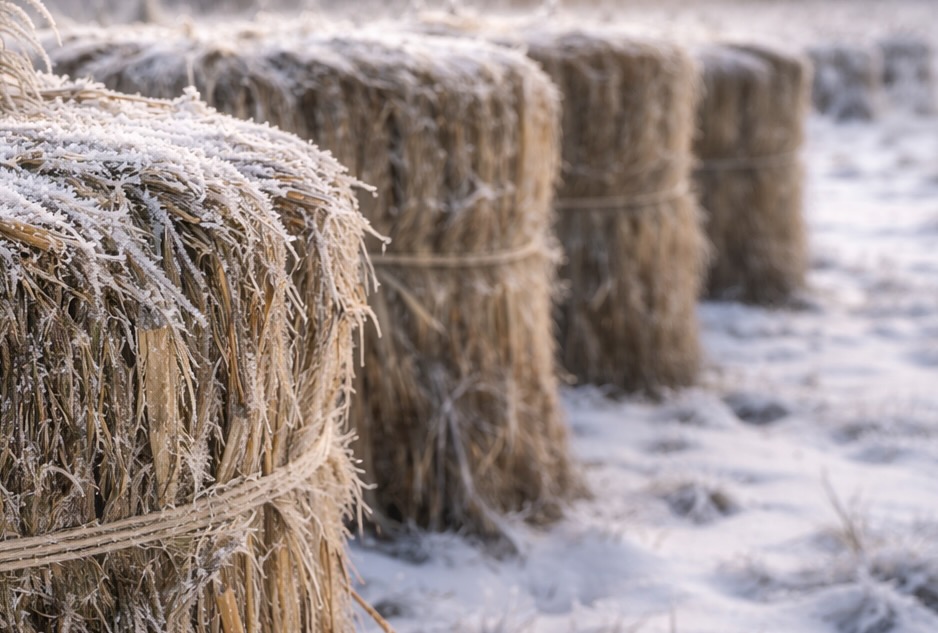
January is a month of silence. The fields lie fallow, the landscape appears reduced, almost stark. Frost settles like a filter over everything that grew in summer. The hemp plant too, otherwise a symbol of growth, strength, and dynamism, becomes part of this quiet. What remains are bare stalks, frost-covered leaves, traces of a harvest long since completed. Yet it is precisely in this winter dormancy that hemp unfolds a special significance.
📑 Inhaltsverzeichnis
The Pause in the Cycle
Hemp is a fast-growing plant. Within a few months it reaches its full height, producing fibers, seeds, and flowers. Its rhythm is closely tied to the seasons. After the autumn harvest comes an inevitable phase of standstill. The frost marks not a weakness, but a necessary break in the natural cycle.
In January, hemp shows no visible activity, yet its effects extend far beyond the growing season. Root remnants remain in the soil, having loosened and structured the earth. Nutrients have been bound, humus built up. Winter dormancy is not an ending, but a preparation.


Frost as Preserver
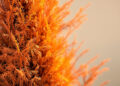
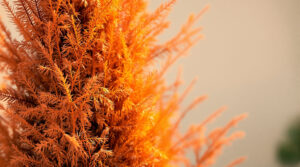
Frost preserves. It holds fast what has grown without destroying it. On hemp fields, this principle becomes particularly clear. Frozen plants appear almost sculptural, their structures stand out sharply. The robustness of the fiber plant becomes visible, even long after harvest.
Historically, this winter phase held a very practical significance. Hemp stalks were retted over winter—deliberately exposed to weather conditions—to separate fibers from woody components. Frost, moisture, and time were part of the processing. Winter worked alongside the farmer.
Patience as an Agricultural Virtue
January demands patience. For farmers, it is a phase of waiting, planning, and assessing. Hemp teaches precisely this disposition. Its cultivation demands not constant intervention, but trust in natural processes. Those who grow hemp accept pauses—and understand that yields do not come from acceleration.
This mindset seems almost foreign in an age of permanent availability. Yet it becomes tangible again in January. Hemp reminds us that sustainable agriculture does not thrive on continuous activity, but on rhythm, rest, and repetition.
A Plant Between Past and Future
Hemp is one of Europe’s oldest cultivated plants. For centuries, it was a fixed part of rural winter economy. Fibers were processed, ropes twisted, fabrics woven—often precisely in the months when the field rested. Winter was not a blank space, but a productive counterpoint to harvest time.
Today, hemp is slowly returning to this role. Not as a romantic relic, but as a modern utility plant with ecological relevance. The frosty January offers space to contextualize this development. Between old techniques and new applications, progress reveals itself as resting on quiet foundations.
Winter Dormancy as Strength
In a world that permanently demands growth, the winter dormancy of the hemp plant seems almost subversive. It shows that withdrawal is not a loss. That recovery remains a prerequisite for renewal. And that plants growing powerfully in summer do not disappear in winter—they wait.
Hemp in frost is no symbol of stagnation, but of preparation. January thus becomes a month of reflection: Everything has its season. Growth, utilization—and rest.
Outlook on the Coming Year
When January discussions turn to new growing seasons, regulatory frameworks, and market opportunities, it is worthwhile to look at the frozen field. It puts expectations in perspective and sharpens focus on long-term connections. Hemp reminds us that sustainable development is not decided by speed, but by understanding cycles. Winter dormancy is part of this plant’s strength. And perhaps also a quiet reminder of how agriculture, economics, and society should manage their own resources: mindfully, patiently, and in harmony with time.





Wie stehst du zur Wiederentdeckung von Hanf als Nutzpflanze?
Branchen-Update
News, Analysen und Reportagen — mehrmals im Monat direkt in dein Postfach.
Folge uns