What Happens Biologically During Germination
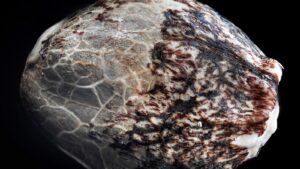
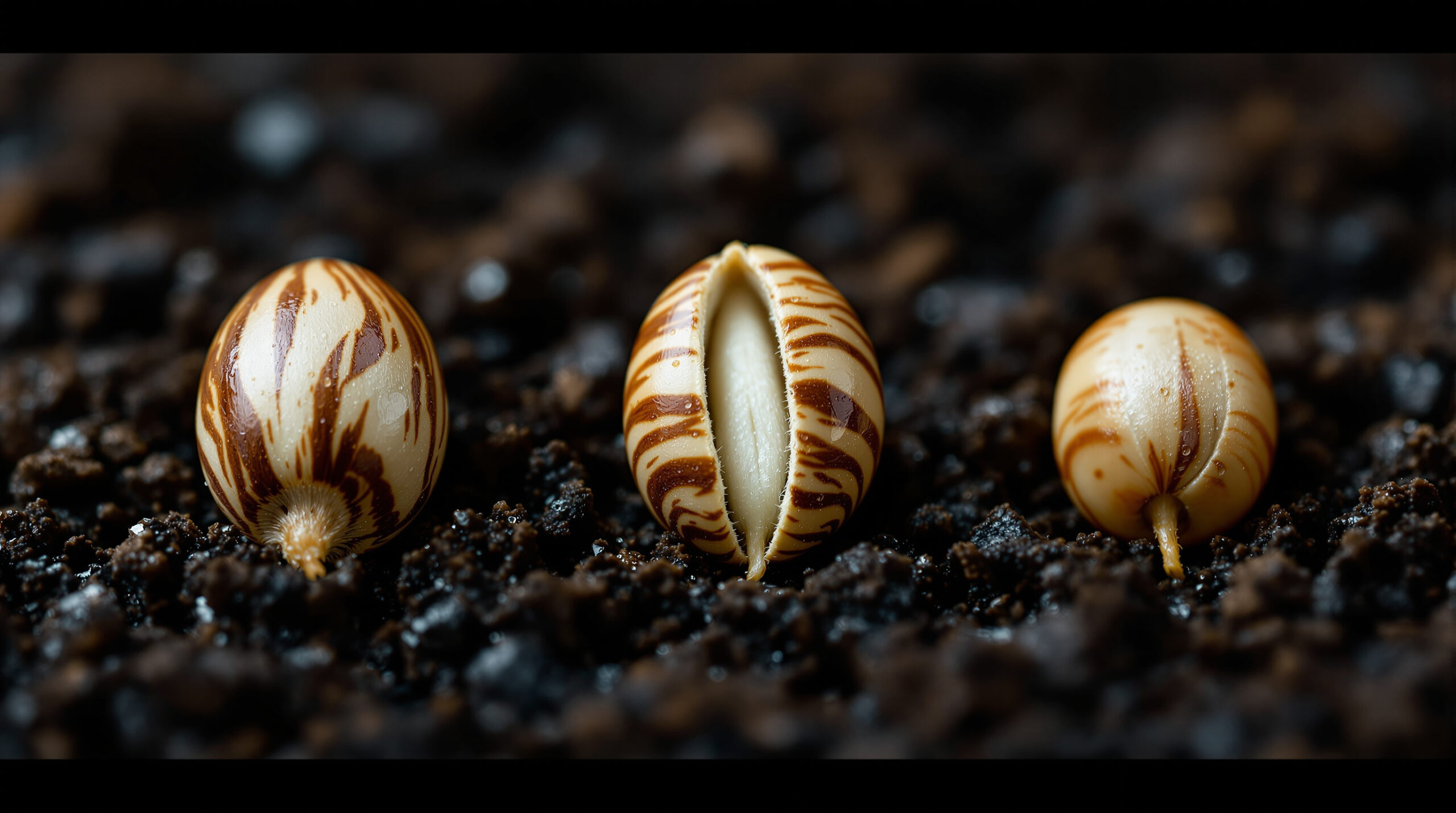
A cannabis seed is an embryo in a dormant state. Three stimuli trigger germination: moisture, a temperature between 22 and 25 degrees Celsius, and sufficient oxygen. Once water penetrates the hard seed shell, the interior swells, metabolism kicks in, and the root tip—technically called the radicle—breaks through the shell. This first white point typically appears within 24 to 72 hours, depending on strain and seed age.
📑 Inhaltsverzeichnis
The critical factor is the balance between water and oxygen. Too little moisture and germination stalls. Too much and the seed suffocates or rots. This is precisely where the three methods differ more fundamentally than they appear at first glance. If temperatures consistently stay below 20 degrees Celsius, the process slows; above 28 degrees, the delicate radicle dries out. Darkness or semi-darkness favor germination further, which is why all three methods ideally occur away from direct sunlight. For more on how these parameters interact, our guide to factors in cannabis seed germination provides deeper insight.
The Water Glass Method: Fast, But With a Critical Window
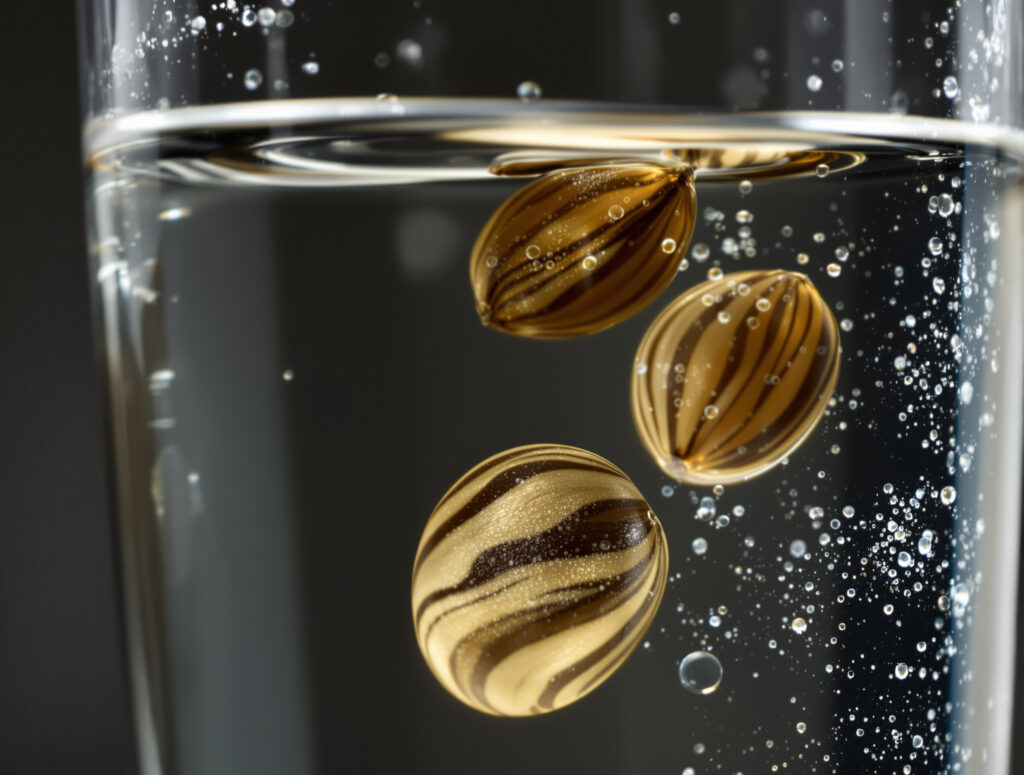
The water glass is the simplest approach. Fill a glass with lukewarm water around 22 degrees Celsius and place the seeds inside. Initially they float, but after a few hours most sink as they become fully saturated. Complete water contact softens the shell evenly, making this method particularly useful for older or thick-shelled seeds that barely swell with a damp cloth alone.


The advantage lies in speed. Full water absorption accelerates shell breakdown, and the radicle often appears faster than with paper towel methods. The drawback is oxygen. In still water, gas exchange diminishes, and once the root tip becomes visible, a critical window opens. If the seedling stays in the glass too long, it suffocates or begins to rot. Once the radicle measures two to three millimeters, the seed must come out and go into substrate. Forget about it overnight and you risk total loss. As a standalone method, the water glass works better as a 12 to 24-hour soak, after which seeds typically move to paper towel or directly into soil.
The Paper Towel Method: Controlled and Visible
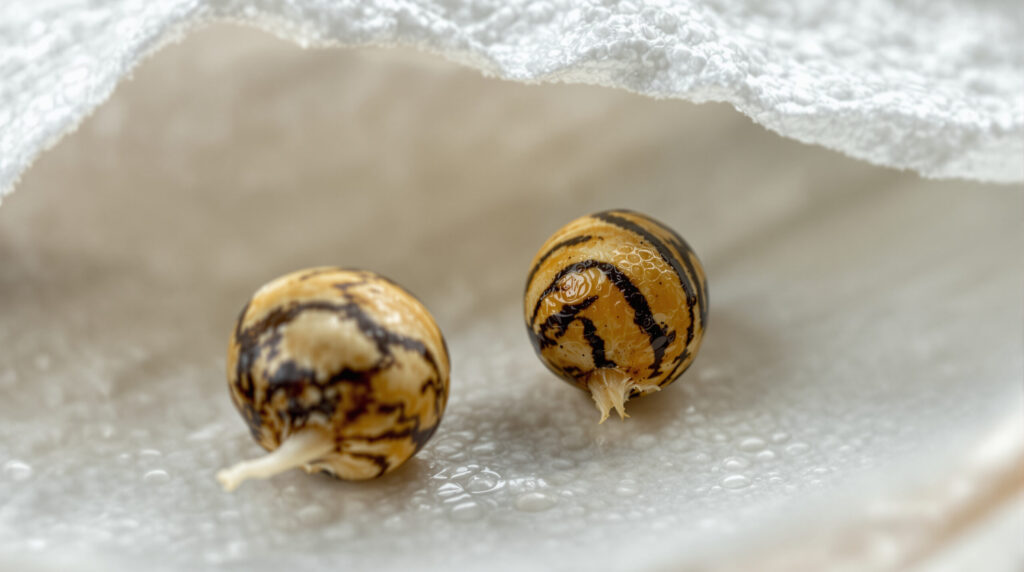
Damp paper towel is considered the gold standard by many experienced growers. Place seeds between two moistened paper towel layers, tuck the whole thing between two plates or in a sealed container, and keep it warm and dark. This method’s appeal lies in balance: the paper holds moisture while allowing enough air so that water and oxygen are simultaneously available. This precise ratio explains the high success rate, which in practice with fresh, feminized seeds regularly reaches 90 to 95 percent.
A second advantage is visual monitoring. Open the towel, check progress, and immediately see which seeds have germinated and which haven’t. This saves soil and patience for duds. However, the method demands discipline because paper dries quickly. A missed check over a hot day can cost you seedlings. The real risk emerges when transplanting: if fine root hairs tangle in paper fibers, the delicate radicle easily tears. Carefully grasping germinated seeds with tweezers by the shell and keeping them from drying out reliably prevents this problem.
Direct Soil Planting: Natural, But Blind
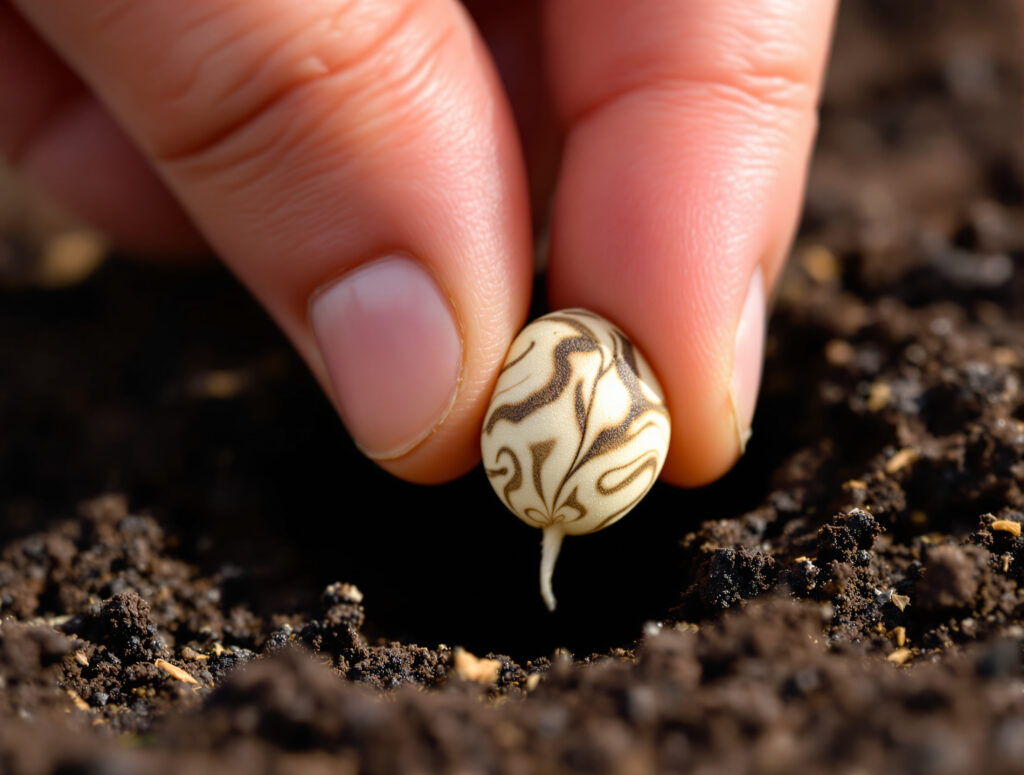
The third option skips any intermediate medium. The seed goes directly about half to one centimeter deep into loose, slightly moist substrate and germinates where it will grow. This is the most natural method—it’s how plants germinate in the wild. The biggest advantage is eliminating transplanting. A seedling germinated directly in soil experiences no transplant shock, and the vulnerable radicle stays undisturbed in the ground.
The price for this protection is lost visibility. Germination happens out of sight; no one sees whether a root forms or if the seed rots in the substrate. Beginners especially struggle to maintain the correct moisture balance, since wet soil promotes rot while overly dry soil blocks germination. Accordingly, direct seeding is considered the least reliable of the three methods, with somewhat lower germination rates on average. Those using this method should use only fresh seeds, keep substrate barely moist, and provide a cover for even soil warmth.
Which Method Makes Sense When
There is no universally best method because each solves a different problem. For most home growers, paper towel offers the most reliable entry point, combining high germination rates with full visual control. The water glass excels with older or especially thick-shelled seeds whose shells need complete saturation to soften. Direct seeding suits anyone wanting to avoid transplant steps and experienced enough to manage moisture without visual monitoring.
In practice, many growers combine methods. A brief overnight soak in water glass, followed by germination on damp paper towel, and finally careful transplanting into soil combines the advantages and is considered especially reliable. Those preparing for outdoor season should time it so seedlings enter the garden only after final late frosts. How germination planning fits into thoughtful annual scheduling is shown in our annual guide to outdoor cultivation. A detailed step-by-step germination guide is provided in our article on pre-germinating cannabis seeds.
Frequently Asked Questions
Which pre-germination method has the highest germination rate?
With fresh, feminized seeds, the paper towel method achieves the most reliable rates at 90 to 95 percent because water and oxygen are simultaneously available. The water glass often germinates faster but carries higher risk once the root tip becomes visible due to limited oxygen. Direct soil seeding averages slightly lower because lack of visual monitoring encourages moisture mistakes.
How long can seeds stay in a water glass?
For pure soaking, 12 to 24 hours suffice. Once the radicle becomes visible or after about 36 hours maximum, seeds must come out of the water or rot will threaten due to declining oxygen levels. The water glass works better as a pre-step than as a standalone germination method.
Is direct soil seeding suitable for beginners?
With caveats. Direct soil seeding avoids transplant shock but requires experience managing moisture balance since germination is invisible. Beginners usually do better with paper towel since they can track progress and identify duds early.
What temperature is ideal for pre-germination?
The ideal range is 22 to 25 degrees Celsius. Below 20 degrees germination stalls; above 28 degrees the radicle dries out. A dark, warm location without direct sun and with high humidity provides the best conditions.
How deep should germinated seeds be planted in soil?
Welche Methode nutzt du am häufigsten zum Vorkeimen?
About half to one centimeter deep, with the radicle pointing down and the shell pointing up. The substrate should be loose and only slightly moist. Planting too deep exhausts the seedling before it reaches light.








Branchen-Update
News, Analysen und Reportagen — mehrmals im Monat direkt in dein Postfach.
Folge uns